
12 Stylish Dog Spaces in House Design Ideas Every Dog Owner Needs
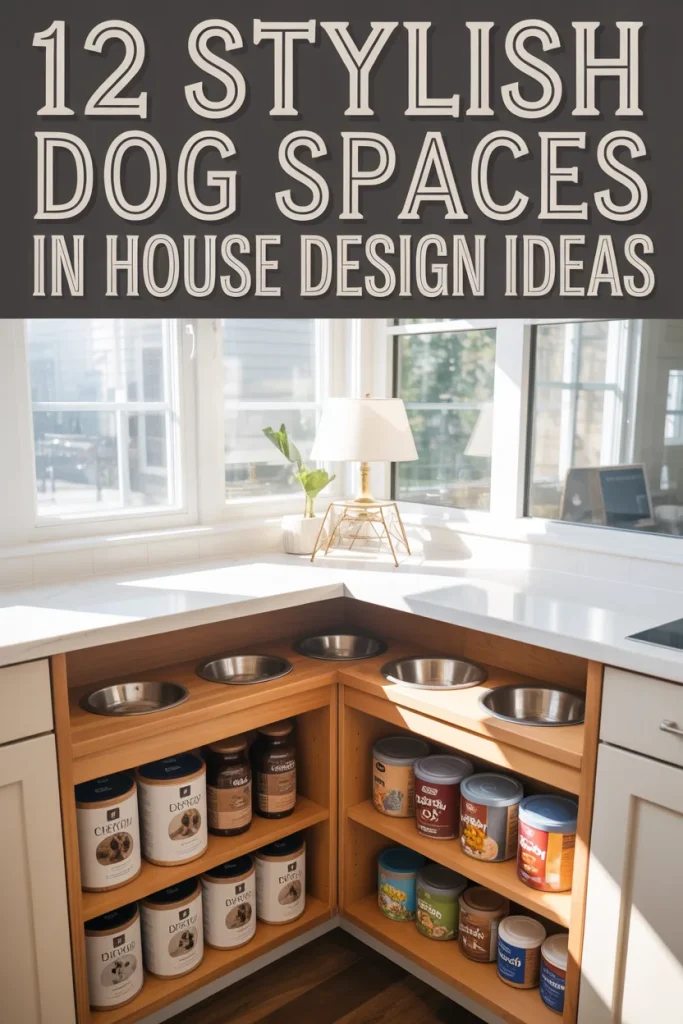
Designing a home that works for both you and your dog is more than just putting a bed in a corner. It means creating spaces where your dog feels safe, calm, and part of daily life. A well-planned dog-friendly home combines comfort, durability, and style. With smart design choices, you can make your house easier to manage while making your dog feel happy and secure. These ideas help your dog move freely, enjoy their space, and keep your home tidy at the same time.
Essential Dog-friendly Features
A home that is friendly for dogs starts with features that support their natural habits. Durable floors that can handle muddy paws, clear rest areas, and open layouts for easy movement all make life smoother. When these are planned into the design, your home feels more comfortable and organized. It also makes your dog feel included and cared for without having to add things as an afterthought.
1. Built-In Pet Feeding Stations
Built-in feeding stations give your dog a regular, tidy spot for meals. They reduce spills and clutter because bowls stay in one place. These stations are ideal for kitchens, mudrooms, or utility areas where cleaning is simple.
Good feeding stations also consider the dog’s size. Elevated bowls can help bigger dogs eat comfortably, and fitted bowls prevent sliding and noise. Adding shelves or storage nearby keeps food, treats, and accessories organized. This makes mealtime calm and predictable for both you and your dog.
2. Cozy Dog Nooks
Dogs need quiet spaces to relax, and cozy nooks provide this safely. These areas let dogs rest without being disturbed while still feeling connected to the family.
Using soft bedding, warm textures, and low-traffic spots makes these nooks inviting. They can fit naturally into your home’s style without looking like extra furniture. Adding familiar items like blankets or toys makes the space personal so your dog will return often.
3. Dog Wash Stations
A dog wash station makes cleaning and grooming much easier. Instead of using the bathtub, a dedicated area keeps water and mess contained.
Stations with deep basins, sprayers, and non-slip floors are safer and more comfortable. Keeping towels, shampoo, and brushes close by saves time and frustration. A well-designed wash station is especially useful for active dogs who spend time outdoors.
4. Dog-friendly Outdoor Enclosures
Outdoor enclosures let dogs explore safely while giving them space to move. These areas provide fresh air and activity without constant supervision.
Good enclosures balance safety and comfort. They should have shade, proper drainage, and strong fencing. Soft areas, toys, and spaces to dig or rest make the enclosure feel like a natural part of the home rather than a confined space.
5. Under-stair Dog Hideaway
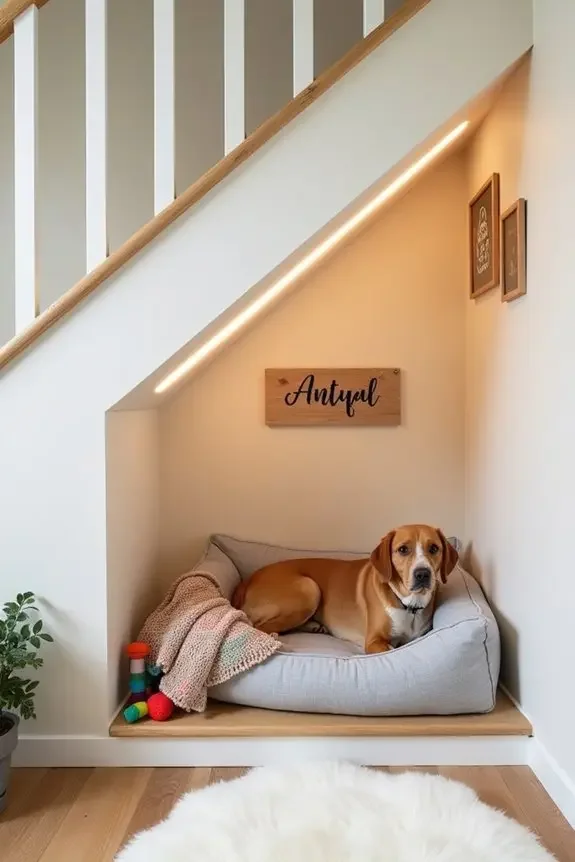
Unused spaces under stairs can become cozy hideaways for dogs. These small dens feel comfortable and private, creating a safe resting spot.
Adding soft bedding, proper lighting, and ventilation makes the area welcoming. Small touches like nameplates or toy shelves make it feel special and intentionally designed for your dog.
6. Sliding Door Pet Access
Sliding doors with pet access give dogs freedom while keeping your home organized. Dogs can move between indoor and outdoor spaces on their own, reducing the need to constantly open doors.
These doors can be secure and energy-efficient without hurting the look of your home. Teaching your dog to use the door builds confidence and helps them stay active every day.
7. Sunlit Dog Relaxation Area
Dogs love warm, sunny spots. A dedicated relaxation area in a sunny corner lets them rest and enjoy natural light.
Placing the area near windows improves the home’s atmosphere and gives the dog a reliable spot to relax. Breathable fabrics and light-filtering curtains keep the space comfortable all day.
8. Indoor Dog Play Areas
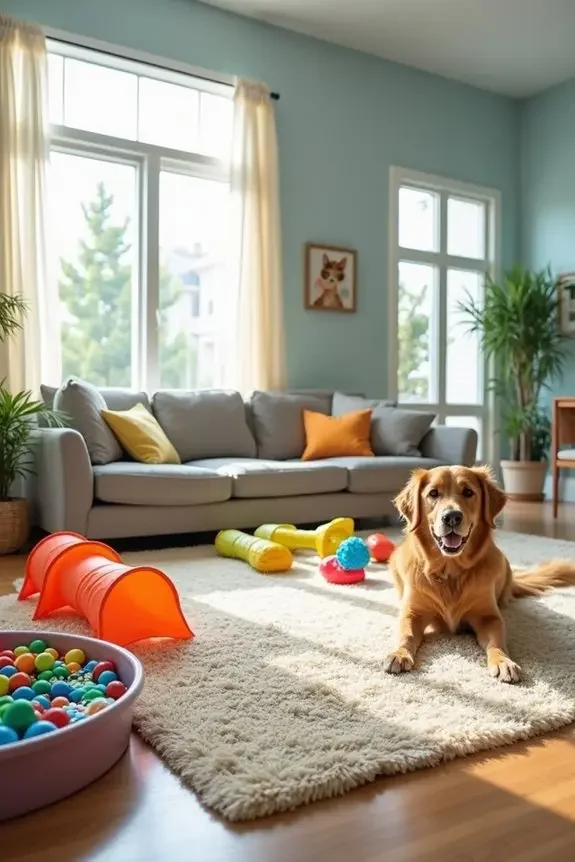
Indoor play areas help dogs stay active even when outside play isn’t possible. These spaces give room for movement, mental stimulation, and bonding without damaging the rest of the house.
Safe floors, open layouts, and different toys support both exercise and mental engagement. Rotating toys and using interactive items prevent boredom and keep dogs happy indoors.
9. Hidden Dog Toy Storage
Keeping dog toys in hidden storage helps your home stay neat while giving dogs access to playtime. When toys have a clear place, cleanup is easier and clutter is reduced.
Storage solutions can blend with furniture or décor. Easy access allows dogs to play independently and helps restore order after use.
10. Safety-Proofing Your Home
Making your home safe ensures dogs can explore without risk. Securing cords, using durable materials, and checking for hazards protects your dog.
Thoughtful layouts, stable furniture, and safe zones reduce accidents. Regularly reviewing the space keeps it adaptable as your dog grows and changes.
Pet-Proofing Common Hazards
Household items can be dangerous for dogs if not checked. Loose cords, toxic plants, cleaning supplies, and unstable furniture all pose risks.
Being proactive in pet-proofing gives dogs freedom while keeping them safe. A well-prepared home helps dogs explore confidently and gives owners peace of mind.