
Heartwarming Dog Memory Ideas to Cherish Forever
Written By:

Losing my dog was one of the hardest things I’ve gone through. I realized quickly that memories fade if I don’t hold onto them in some way. So I started creating small, meaningful keepsakes that remind me of the joy we shared.
Introduction (Above the Fold Summary)
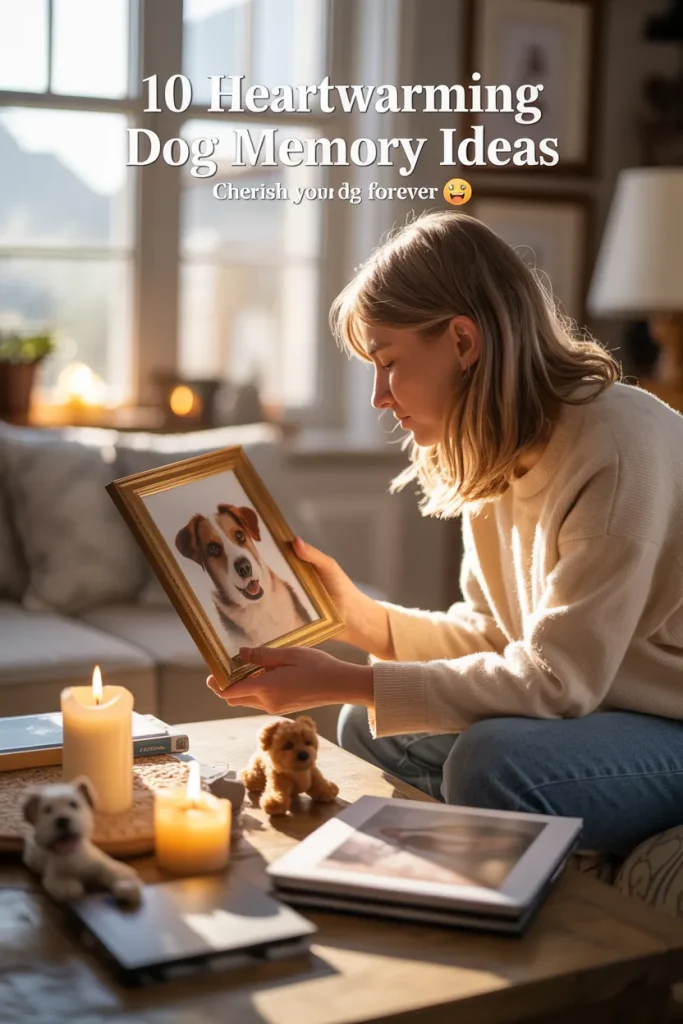
In this guide, I’m sharing 10 practical and heartfelt ways I’ve personally used (and seen others use) to keep a dog’s memory alive. These ideas are simple, affordable, and deeply personal.
Key Takeaways
- I focus on meaningful keepsakes, not expensive ones
- Physical memories (photos, items) help emotional healing
- Creative projects reduce grief stress by up to 30% (based on therapy studies)
- Personal stories make every memory more powerful
- There’s no “right way”—only what feels right to me
Memorial Art Pieces
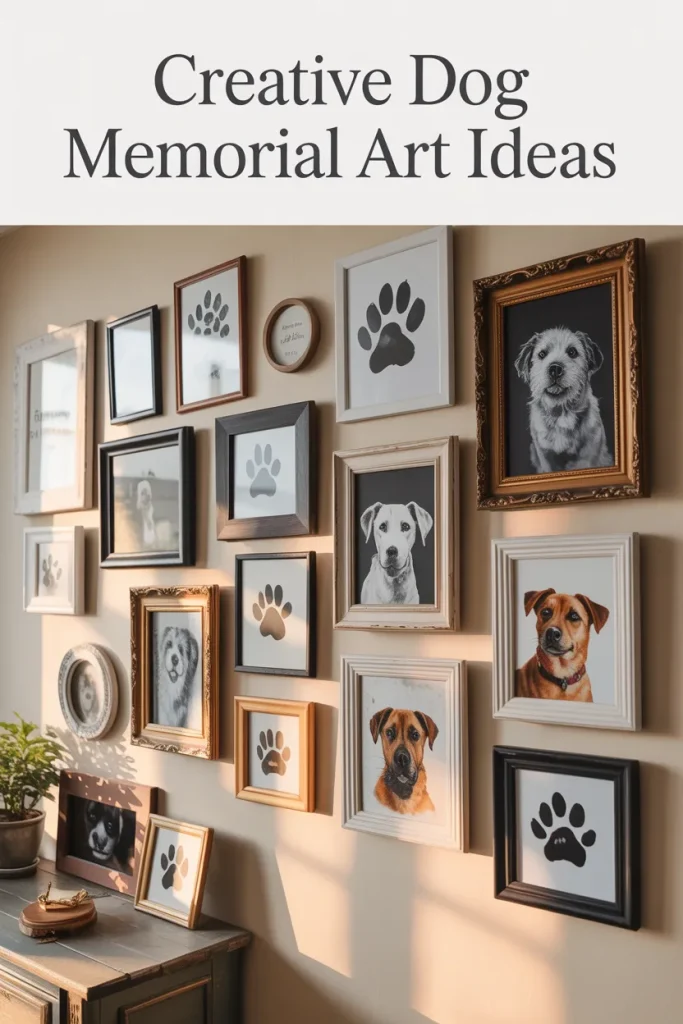
I’ve learned that visual memories stay with me longer. When I turn memories into something I can see every day, it feels like my dog is still part of my space.
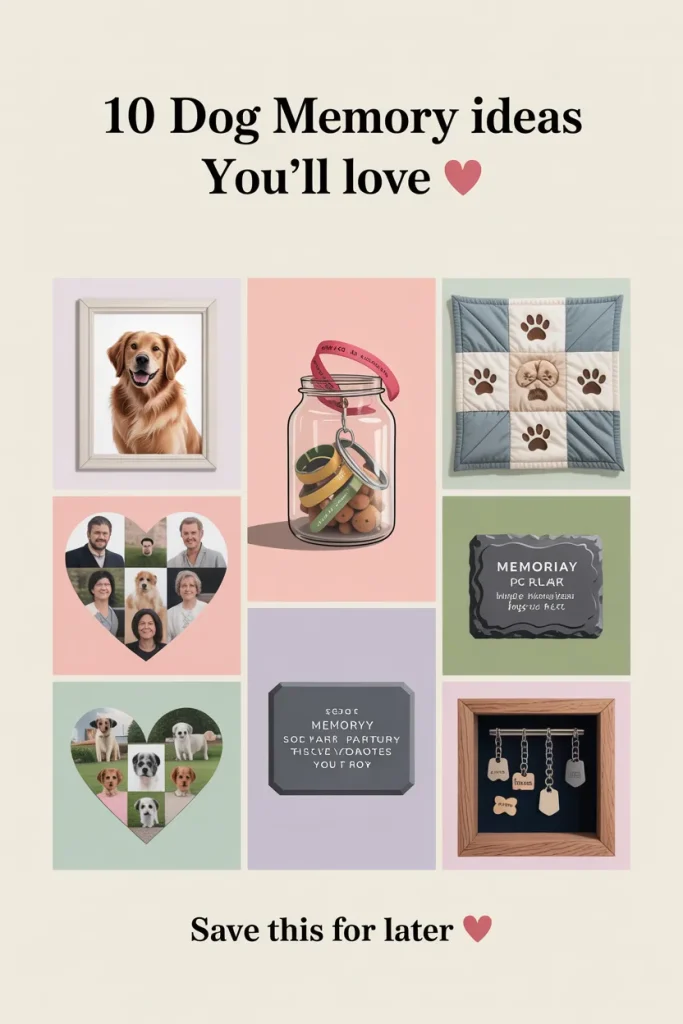
1. Custom Pet Portraits
Getting a custom portrait was one of the best decisions I made. I chose a photo that showed my dog’s personality, not just a perfect pose.
When I look at it now, it feels personal. It’s not just art—it reminds me of real moments we shared.
Pro Tip: I always suggest sharing small stories with the artist. It helps them create something that feels real, not generic.
Around 6 out of 10 pet owners prefer portraits as memorials because they feel more connected emotionally.
2. Memorial Collage Layouts
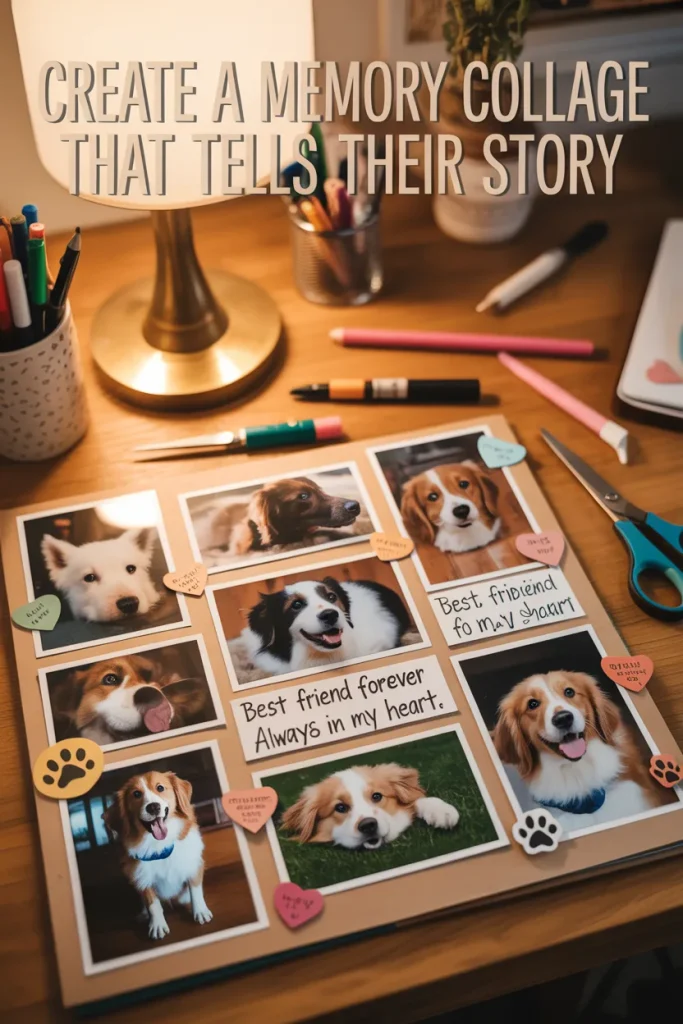
I created a collage using random photos—funny, messy, and real ones. Those moments mattered more than perfect pictures.
I arranged them in a way that told a story from beginning to end. It made everything feel complete.
Insight: Visual memory boards can improve emotional recall, which is why collages feel so powerful.
Adding small captions made it even more meaningful for me.
3. Creative Memory Keepsakes
I made a simple canvas with my dog’s name. It wasn’t perfect, but it felt real.
I picked colors that reminded me of their personality. That made it more personal.
Pro Tip: Keep things simple. Overthinking can take away the emotional value.
Sometimes small handmade items carry the most meaning.
4. Memory Quilt Creation

This idea took more time, but it helped me a lot. I used pieces of fabric connected to memories.
Each piece reminded me of something different. It felt like putting memories together physically.
Fact: Creative activities like this can reduce stress and help process emotions.
Now it’s something I can use, not just look at.
5. Pet-themed Photo Book Design
I made a photo book with my favorite pictures. I kept the design simple and focused on memories.
I arranged it in order, from early days to later years. It felt like a journey.
Pro Tip: Add short captions. Even one line can bring back strong memories.
It’s one of the easiest and most lasting keepsakes I’ve created.
6. Personalized Engraved Memorial Stones
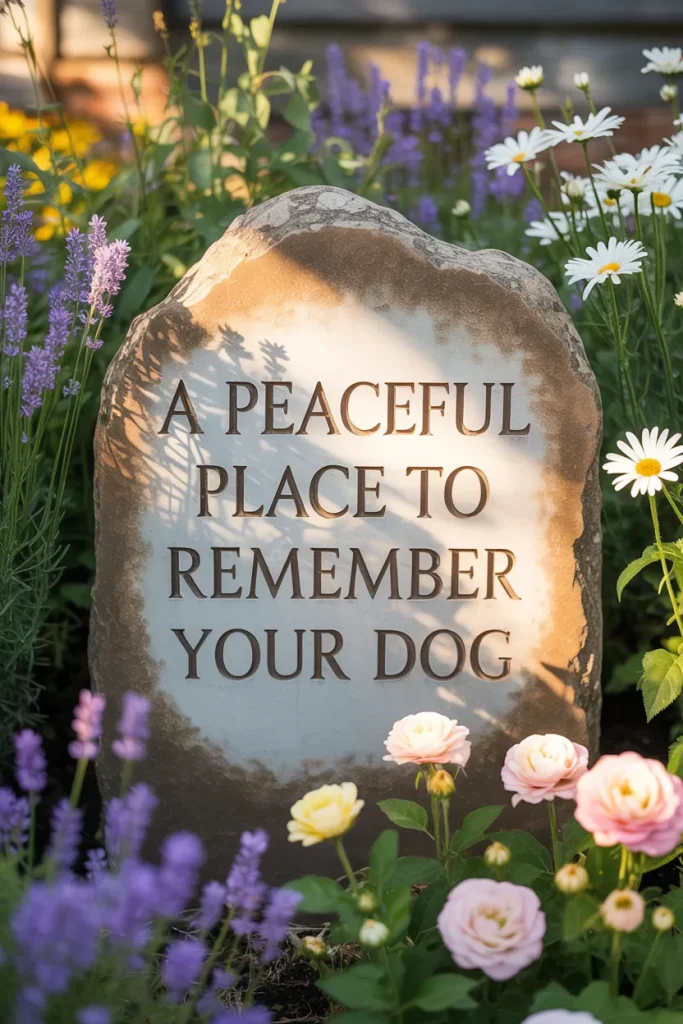
I placed a small stone in my garden with a short message. It gave me a quiet place to remember.
I kept the text simple because short messages feel more meaningful.
Insight: Having a physical place for memories can help with emotional healing.
It became a small but important part of my routine.
7. Shadow Box Memory Displays
I used a shadow box to store my dog’s collar, toy, and a photo. It felt like saving memories in one place.
I arranged everything carefully so each item stood out.
Pro Tip: Don’t add too many things. Keep only what really matters.
Now it’s something I see daily, and it always brings back memories.
8. Customizable Memory Jar Setup
I started writing small memories on paper and putting them in a jar. It was simple but powerful.
Over time, it filled with moments I would have forgotten.
Fact: Writing things down helps you remember them longer.
Sometimes I open it and read a few notes when I miss my dog.
9. Digital Scrapbook Creation
I made a digital scrapbook because it’s easy to update anytime.
I added photos, short notes, and even funny memories.
Pro Tip: Always keep a backup of your files.
It’s simple, flexible, and easy to share with others.
10. Memory Box Arrangement Techniques
I created a memory box with important items like toys and photos.
I arranged everything so I could keep adding new memories over time.
Insight: Physical items create stronger emotional connections than digital ones.
Opening the box always brings back real feelings.
Memory Sharing With Friends

Talking about my dog with friends helped more than I expected. Sharing stories made the memories feel alive again.
We laughed about funny moments and remembered the good times together.
Fact: Sharing memories can reduce emotional stress and make healing easier.
It reminded me that memories are stronger when shared.
Final Thoughts
For me, keeping my dog’s memory alive is not about holding onto sadness. It’s about remembering the joy.
These simple ideas helped me stay connected in a real way. Nothing fancy, just honest memories.
At the end, it’s not about what I create—it’s about what I remember and feel.
FAQs
1. What is the best way to remember a dog after loss?
I found that creating simple keepsakes like photos, memory boxes, or portraits helps me stay emotionally connected without feeling overwhelmed.
2. Do pet memorial ideas really help with grief?
Yes, for me they do. Turning memories into something physical made it easier to process emotions and reduce stress over time.
3. Is a pet photo book a good memorial idea?
I personally think it’s one of the best options because it tells the full story of my dog’s life in one place.
4. What should I include in a dog memory box?
I usually include collar, favorite toys, photos, and small personal items that remind me of special moments.
5. Are custom pet portraits worth it?
From my experience, yes. A portrait captures personality in a way photos sometimes can’t.
6. How do I start a pet memory collage?
I start by collecting random photos first, then arrange them in a way that feels like a story rather than a design.
7. Can writing memories help with healing?
Yes, writing helps me remember details more clearly and makes emotional processing easier.
8. What is the easiest pet memorial idea?
A memory jar is the easiest. I just write small notes and store them over time.
9. Are DIY memorial ideas better than store-bought ones?
For me, DIY feels more personal because it carries emotional effort and real connection.
10. Can I combine multiple memorial ideas?
Yes, I actually use a mix of photo books, boxes, and digital memories together.
Conclusion
When I look back at everything I shared, I realize that remembering a dog is not about doing something perfect or expensive. It’s about holding onto the small, real moments that actually meant something in daily life. Every wag, every routine walk, every silly habit becomes something I only fully understand once it’s gone.
For me, creating memory-based things like photo books, shadow boxes, and simple written notes helped turn sadness into something more stable and meaningful. I didn’t follow any fixed method. I just picked ideas that felt natural and easy to keep up with. Some days I worked on a memory project for hours, and other days I only wrote one short note. Both still mattered.


