
Coconut Oil for Dogs: Benefits, Uses, Dosage, and Safety Guide for Pet Owners
Written By:

If you’ve spent any time looking for natural ways to support your dog’s health, you’ve probably come across coconut oil. I remember first trying it when one of my dogs developed dry skin during winter. After a few weeks of careful use, I noticed a shinier coat and less scratching. That experience made me curious about what coconut oil can actually do—and what it can’t.
If you’ve spent any time looking for natural ways to support your dog’s health, you’ve probably come across coconut oil. I remember first trying it when one of my dogs developed dry skin during winter. After a few weeks of careful use, I noticed a shinier coat and less scratching. That experience made me curious about what coconut oil can actually do—and what it can’t.
The truth is that coconut oil for dogs can be a helpful addition to a dog’s care routine when used correctly. It may support skin health, coat condition, and overall comfort. However, it’s not a miracle ingredient, and there are situations where it may not be the best choice.
In this guide, I’ll share the benefits, practical uses, safety considerations, and common mistakes dog owners should avoid when using coconut oil.
Quick Summary
- Coconut oil contains medium-chain triglycerides (MCTs), which are easily used by the body for energy.
- Many owners use it to support healthy skin and a shiny coat.
- It can be applied topically or fed in small amounts.
- Too much coconut oil may cause digestive upset and weight gain.
- Dogs with pancreatitis or certain health conditions may need to avoid it.
- Quality matters—choose organic, virgin, cold-pressed coconut oil whenever possible.
Key Takeaways
- Start with a very small amount when feeding coconut oil.
- Use topical applications first if you’re unsure how your dog will react.
- Monitor your dog for digestive changes or skin irritation.
- Coconut oil works best as a supplement, not a cure-all.
- Always consult your veterinarian if your dog has an existing medical condition.
Understanding the “Superfood” Science
Coconut oil gets much of its attention from its unique fat composition. Unlike many other fats, it contains a high amount of medium-chain triglycerides, commonly called MCTs.
These fats are processed differently from long-chain fats. Instead of being stored immediately, they are often converted into a readily available energy source. This is one reason coconut oil has become popular among both pet owners and veterinarians interested in nutritional support.
One of the main components of coconut oil is lauric acid. Research has shown that lauric acid possesses antimicrobial properties, which may help support skin health and overall wellness when used appropriately.
While scientific studies on dogs are still limited compared to human research, many pet owners report positive results when coconut oil is used responsibly.
Top Benefits of Coconut Oil for Dogs
Supports Healthy Skin
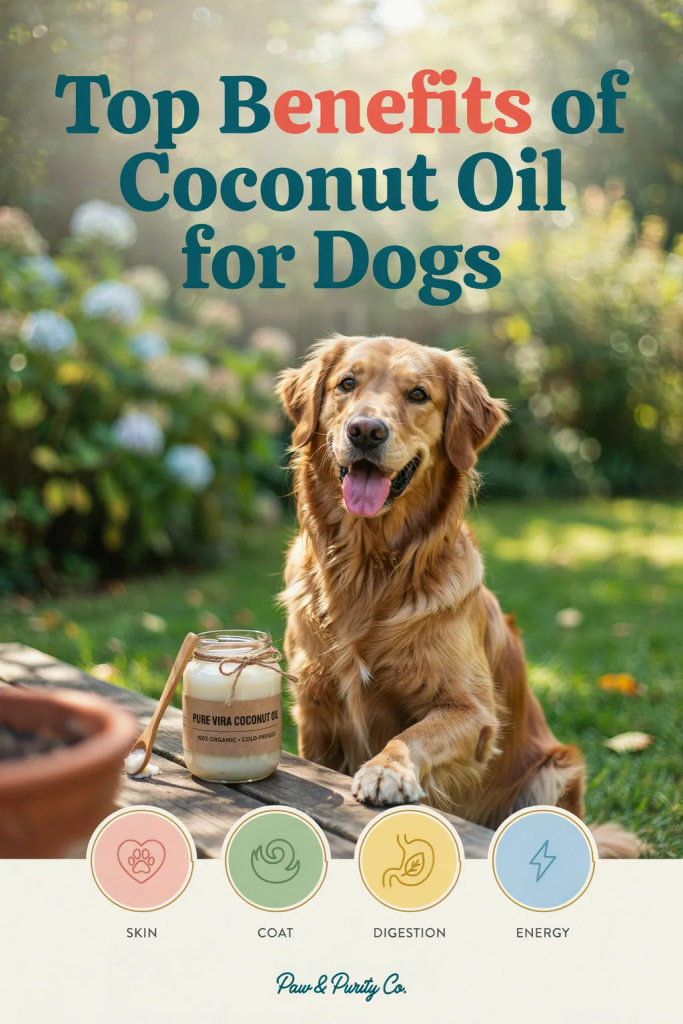
Dry skin is one of the most common reasons owners reach for coconut oil.
When applied to affected areas, it can help moisturize the skin and reduce dryness. Dogs living in cold climates or spending time in air-conditioned environments often benefit the most.
Promotes a Shiny Coat
A healthy coat is usually a sign of good overall health.
Many owners notice improved coat texture after adding small amounts of coconut oil to their dog’s diet or grooming routine. The fur may appear softer, smoother, and more vibrant.
May Help Soothe Minor Irritation
Dogs frequently deal with itchy spots caused by seasonal allergies, insect bites, or environmental irritants.
The moisturizing nature of coconut oil may provide temporary relief while helping keep the affected area hydrated.
Provides an Alternative Energy Source
Because MCTs are metabolized differently than many other fats, they can serve as a quick source of energy.
Some pet owners of senior dogs report improved alertness and activity levels when coconut oil is included as part of a balanced nutritional plan.
Supports Oral Freshness
While it should never replace brushing, coconut oil’s natural properties may help reduce some of the bacteria that contribute to unpleasant breath.
I occasionally use a small amount on a dog toothbrush for an extra boost during dental care sessions.
Pro Tip
Use coconut oil as one piece of a complete wellness routine rather than relying on it as a single solution for multiple health issues.
How to Use Coconut Oil Topically
Topical use is often the easiest and safest way to introduce coconut oil.
Dry Skin Treatment
Warm a small amount between your hands and gently massage it into dry areas.
Focus on:
- Elbows
- Belly
- Base of the tail
- Dry patches around the neck
Allow it to absorb for several minutes before letting your dog roam freely.
Paw Balm
Hot pavement, snow, and rough terrain can be tough on paw pads.
Applying a thin layer of coconut oil can help keep paws moisturized and may reduce cracking.
I usually apply it before bedtime to give it time to absorb without leaving oily paw prints throughout the house.
Hot Spots and Minor Scratches
For minor skin irritation:
- Clean the area gently.
- Dry thoroughly.
- Apply a thin layer of coconut oil.
- Prevent excessive licking if possible.
Remember that serious wounds, infections, or persistent hot spots require veterinary care.
Common Mistake to Avoid
Using too much oil can leave the coat greasy and attract dirt. A little goes a long way.
How to Feed Coconut Oil to Your Dog
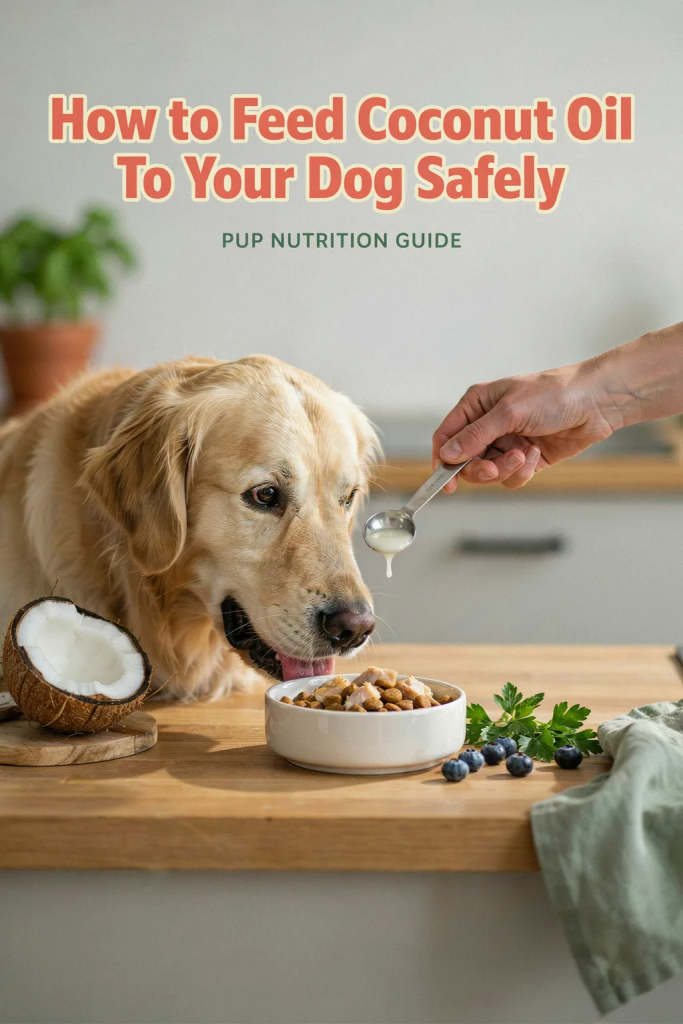
If you decide to feed coconut oil, start slowly.
Even healthy dogs can develop digestive upset when introduced to new fats too quickly.
Choosing the Right Oil
Look for:
- Organic coconut oil
- Virgin coconut oil
- Cold-pressed coconut oil
- Unrefined coconut oil
Avoid heavily processed versions whenever possible.
Recommended Starting Amount
A gradual introduction is important.
General guideline:
- Small dogs: ¼ teaspoon daily
- Medium dogs: ½ teaspoon daily
- Large dogs: 1 teaspoon daily
Monitor your dog’s stool, appetite, and energy levels before increasing the amount.
Easy Ways to Serve It
Mix With Food
This is the simplest option. Stir a small amount directly into your dog’s meal.
Frozen Treats
Mix coconut oil with pumpkin puree or plain yogurt and freeze into small molds.
Homemade Dog Biscuits
Coconut oil works well in many homemade dog treat recipes and can replace less nutritious fats.
Pro Tip
Introduce only one new supplement at a time so you can easily identify any adverse reactions.
Safety Risks and Side Effects
Although coconut oil is generally considered safe, it isn’t suitable for every dog.
Digestive Upset
Too much coconut oil too quickly can cause:
- Loose stools
- Diarrhea
- Vomiting
- Stomach discomfort
This is the most common issue owners encounter.
Weight Gain
Coconut oil is calorie-dense.
Just one tablespoon contains roughly 120 calories. For smaller dogs, that can represent a significant portion of daily caloric needs.
If your dog is already overweight, discuss supplementation with your veterinarian before adding coconut oil.
Pancreatitis Concerns
Dogs with a history of pancreatitis should be treated with extra caution.
High-fat foods can sometimes trigger flare-ups, making coconut oil inappropriate for certain individuals.
Allergic Reactions
Although uncommon, some dogs may react to coconut products.
Watch for:
- Excessive itching
- Redness
- Swelling
- Hives
Stop use immediately and contact your veterinarian if symptoms appear.
Coconut Oil vs. Fish Oil: Which is Better?
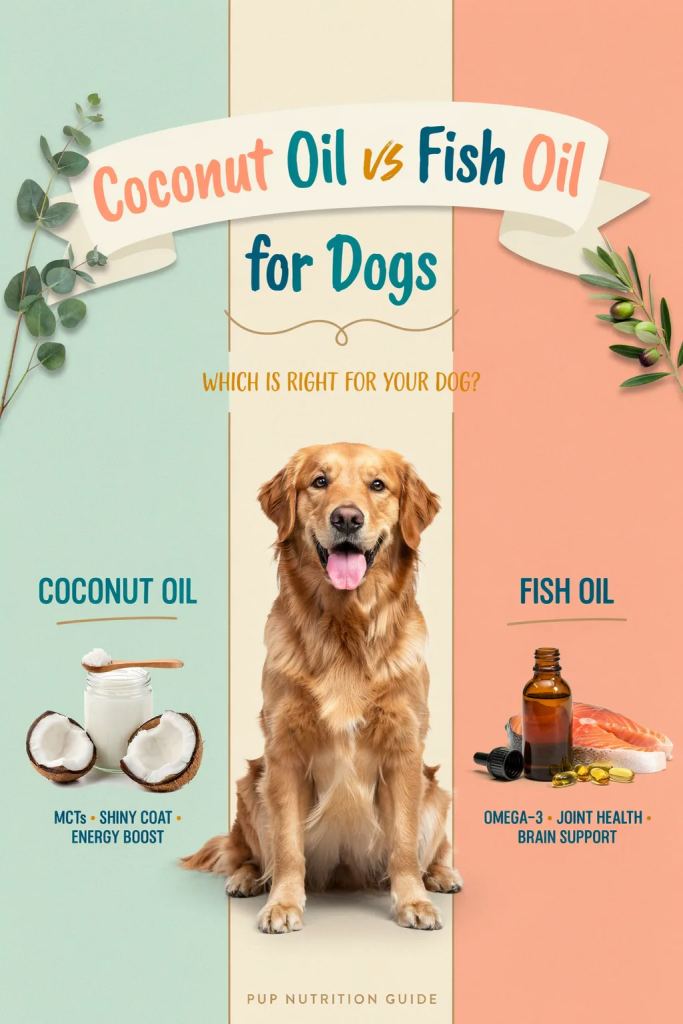
This question comes up often, and the answer is that they serve different purposes.
Coconut Oil
Benefits include:
- Skin hydration
- Coat support
- MCT energy source
- Topical applications
Fish Oil
Benefits include:
- Omega-3 fatty acids
- Joint support
- Heart health support
- Inflammation management
Fish oil provides EPA and DHA, nutrients that many dogs benefit from and cannot efficiently produce themselves.
My Experience
I generally view fish oil as the stronger choice for long-term joint and inflammatory support. Coconut oil shines when skin care, paw protection, and coat condition are the primary goals.
Many dogs can safely use both under veterinary guidance.
DIY Recipe: Coconut Oil & Turmeric “Golden Paste”
This simple recipe is popular among owners looking for a natural addition to their dog’s wellness routine.
Ingredients
- ½ cup turmeric powder
- 1 cup water
- ⅓ cup virgin coconut oil
- 1 teaspoon freshly ground black pepper
Instructions
- Add turmeric and water to a saucepan.
- Simmer on low heat while stirring.
- Continue until a thick paste forms.
- Remove from heat and cool slightly.
- Stir in coconut oil and black pepper.
- Store in a sealed glass container in the refrigerator.
Serving Tip
Start with a very small amount mixed into food and gradually increase if tolerated.
Always discuss turmeric supplementation with your veterinarian if your dog takes medications or has underlying health conditions.
Summary: Is Coconut Oil Right for Your Dog?
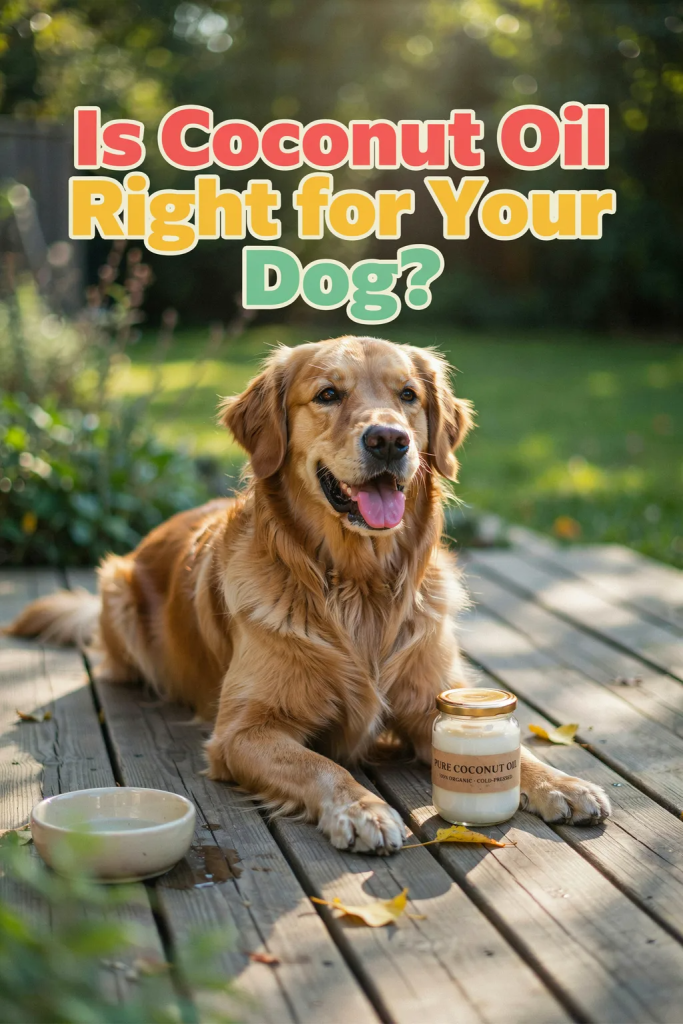
Coconut oil for dogs can be a useful addition to a healthy lifestyle when used in moderation. It may support skin hydration, improve coat condition, soothe dry paws, and provide an alternative energy source through MCTs.
The biggest lesson I’ve learned is that moderation matters. Dogs don’t need large amounts to potentially benefit from coconut oil. Starting slowly, choosing a high-quality product, and paying attention to your dog’s response will help you get the best results.
For many dogs, coconut oil works best as a supportive supplement rather than a daily necessity. When used thoughtfully and alongside proper nutrition, exercise, grooming, and veterinary care, it can become a valuable part of your dog’s wellness routine.