

“Homemade Cat Meal with Beef: High-Protein, Healthy & Picky Cat Approved Recipe”
I’ve always believed that our cats deserve meals made from real, fresh ingredients—not mystery kibbles with questionable fillers. This beef-based recipe has been a game-changer in my home. Packed with high-quality protein, essential nutrients, and the right moisture level, it keeps my cat healthy, satisfied, and energetic. I’ve seen firsthand how cats respond better to meals that are simple, balanced, and carefully prepared at home.
From lean ground beef to a touch of liver, bone broth, and crucial supplements, this recipe ensures my cat gets a complete and safe diet. The aroma alone usually gets my furry friend excited before I even serve it. Here’s why I love it and how I make it work every week.
Key Takeaways:
- High-quality beef is central for muscle health and energy.
- Moisture and gentle cooking improve digestion and urinary health.
- Essential supplements like taurine, calcium, and omega-3s are non-negotiable for feline wellbeing.
- This meal is versatile, scalable, and can be adjusted to suit picky eaters or kittens.
“Homemade Cat Meal with Beef: High-Protein, Healthy & Picky Cat Approved Recipe”
Healthy homemade cat meal with beef, rich in protein and essential nutrients. Easy, balanced, and perfect for picky felines.
Ingredients
- 1 lb (450 g) lean ground beef (90–93% lean, grass-fed if possible)
- 3 oz (85 g) beef liver, finely minced (≤10% of total meat)
- 1 large egg, lightly beaten (or just yolk for richness)
- 1/2 cup (120 ml) low-sodium beef bone broth or water (no onion, no garlic)
- 1 tsp fish oil or sardine oil (source of omega-3s)
- 1/4 tsp taurine powder
- 1/8 tsp iodized salt (skip if using a complete feline supplement)
- 1/2 tsp calcium source (eggshell powder or food-grade calcium carbonate; ~1,000–1,200 mg per lb meat)
- 2 tbsp pumpkin or carrot puree (optional fiber)
- 1 tbsp finely chopped parsley (optional, for freshness)
- Optional: feline vitamin/mineral premix (follow label dosage)
Instructions
- Keep liver ≤10% of total meat to prevent vitamin A toxicity.
Always include taurine and calcium for heart and bone health.
Maintain moist texture; cats often reject dry, crumbly food.
Monitor your cat’s weight, stool, and energy when changing diets.
What Makes This Recipe Awesome
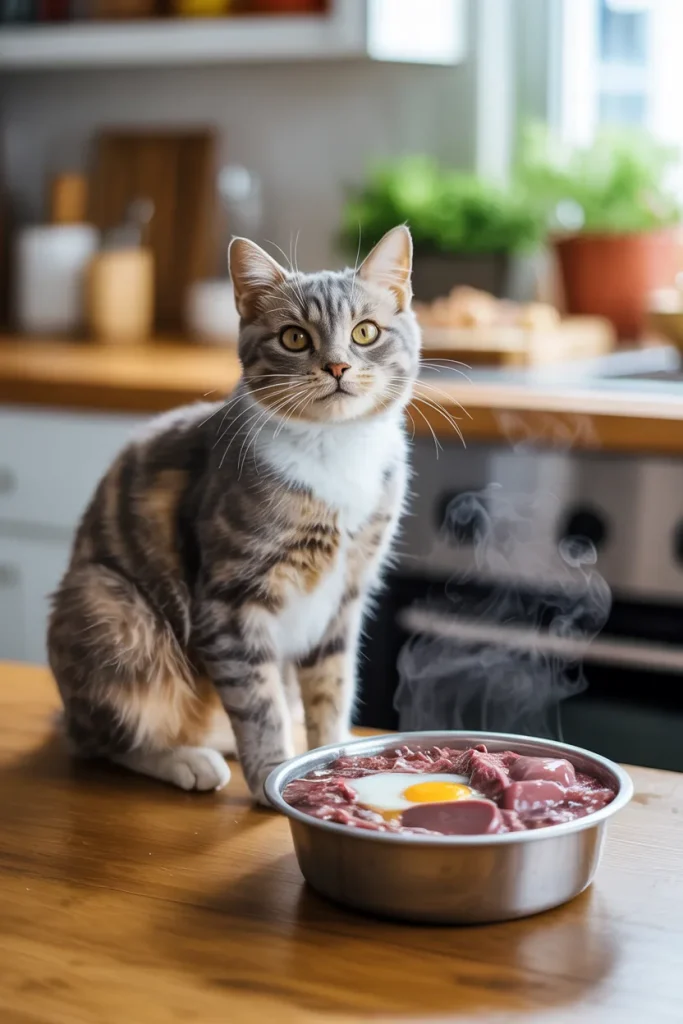
I’ve noticed a huge difference in my cat’s energy and coat shine since I started using this recipe. It’s high-protein, which is essential because cats are obligate carnivores. Lean beef supports their muscles, while liver provides vitamin A, B-complex, and copper, all vital for heart and eye health.
Moisture is another win—I add bone broth or water to the mix, which helps with hydration and keeps the urinary tract healthy. Cats often don’t drink enough water, so this small step prevents problems down the line.
See more About dog thing only more
I also love that it’s customizable. I can adjust fat levels, add a touch of omega-3 from fish oil, or tweak the texture for sensitive cats. And there’s nothing artificial—no colors, preservatives, or fillers. Every ingredient is something I can pronounce and trust.
Pro Tip: Always measure supplements carefully; taurine deficiency or calcium imbalance can have serious consequences.
Ingredients
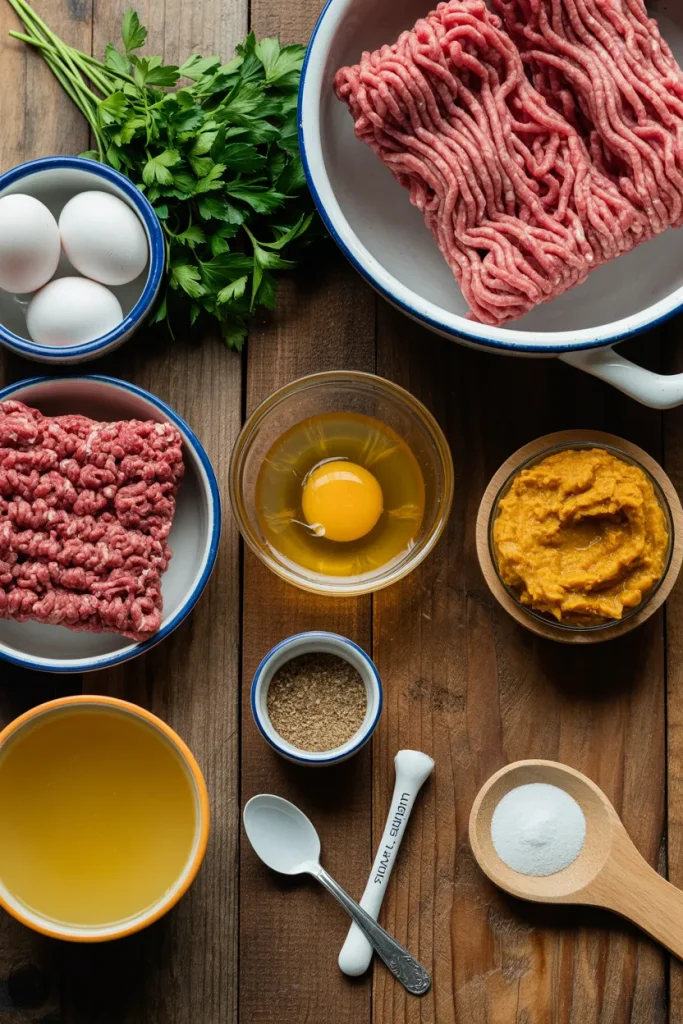
- 1 lb (450 g) lean ground beef (90–93%, grass-fed if possible)
- 3 oz (85 g) beef liver, finely minced (keep ≤10% of total meat)
- 1 large egg, lightly beaten (or just yolk for richness)
- 1/2 cup (120 ml) low-sodium beef bone broth or water (no onion or garlic)
- 1 tsp fish oil or sardine oil (for omega-3s)
- 1/4 tsp taurine powder
- 1/8 tsp iodized salt (skip if using a complete feline supplement with iodine)
- 1/2 tsp calcium source (eggshell powder or food-grade calcium carbonate)
- 2 tbsp pumpkin or carrot puree (optional fiber)
- 1 tbsp parsley, finely chopped (optional, for freshness)
- Optional: feline vitamin/mineral premix for complete nutrition
I always ensure that when feeding homemade food, I cover all essential nutrients either through careful ingredient balance or a high-quality premix. Cats have very specific dietary needs, so this step is critical.
Instructions
Prep Your Space
Clean all surfaces, wash hands, and set out mixing bowls. Hygiene is non-negotiable because bacteria can be harmful to both cats and humans.
Lightly Cook the Beef
Cook ground beef over medium heat until lightly browned but still slightly pink. Overcooking reduces digestibility and flavor.
Add Liver Gently
Stir in the minced liver for the last 1–2 minutes. Liver cooks quickly and provides concentrated nutrients—too much can be harmful.
Cool It Down
Let the mixture cool to warm, not hot. My cat prefers meals at room temperature, which also preserves nutrients.
Blend the Moisture
Whisk bone broth or water with fish oil, taurine, calcium, and salt. Add the egg or yolk and mix until smooth.
Combine
Mix the liquid mixture with the meat in a large bowl. Add pumpkin and parsley if desired. The texture should be moist, scoopable, and not crumbly.
Portion & Serve
Divide into meals—usually 2–3 oz per meal for an average adult cat. Serve slightly warm or at room temperature.
Pro Tip: Gradually transition cats to new meals over 5–7 days to avoid digestive upset.
Preservation Guide
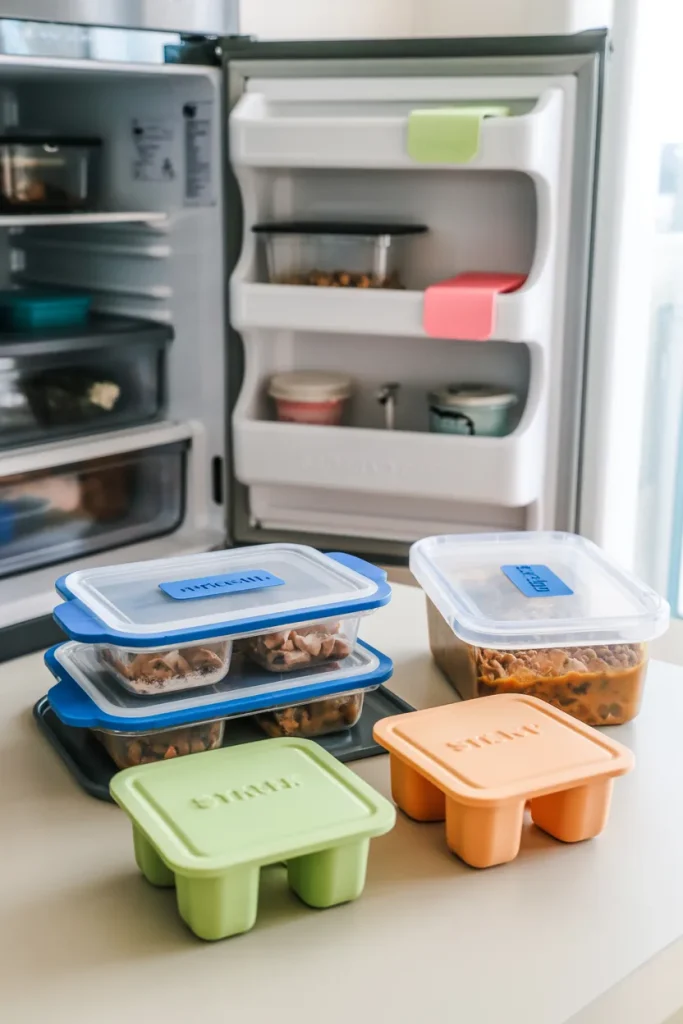
- Refrigerate: Up to 48–72 hours in airtight containers.
- Freeze: Portion into small containers or silicone molds; lasts 2–3 months.
- Safe Thawing: Fridge overnight or under cold running water; avoid room temperature thawing.
- Reheating: Gently warm in a water bath or brief low-power microwave, stirring well. Avoid hot spots.
What’s Great About This
I appreciate the control over ingredients—it lets me choose quality, avoid fillers, and balance fat levels. Hydration is improved, which reduces urinary issues. The strong beef aroma encourages picky eaters to finish their meals. Plus, I can make a large batch on Sundays and portion for the week, saving time.
Fact: Studies show cats fed home-cooked meals with balanced supplements have improved coat health and fewer digestive issues compared to some commercial diets.
Common Mistakes to Avoid
- Skipping taurine or calcium: Can lead to heart and eye problems.
- Overdoing liver: Limit to 5–10% of total meat to prevent vitamin A toxicity.
- Using seasoned broths: Onion, garlic, or high sodium is toxic.
- Dry texture: Always maintain a moist, scoopable consistency.
- Sudden switch: Introduce gradually to avoid vomiting or diarrhea.
Pro Tip: Keep a journal of your cat’s weight, stool consistency, and appetite when introducing homemade meals.
Alternatives
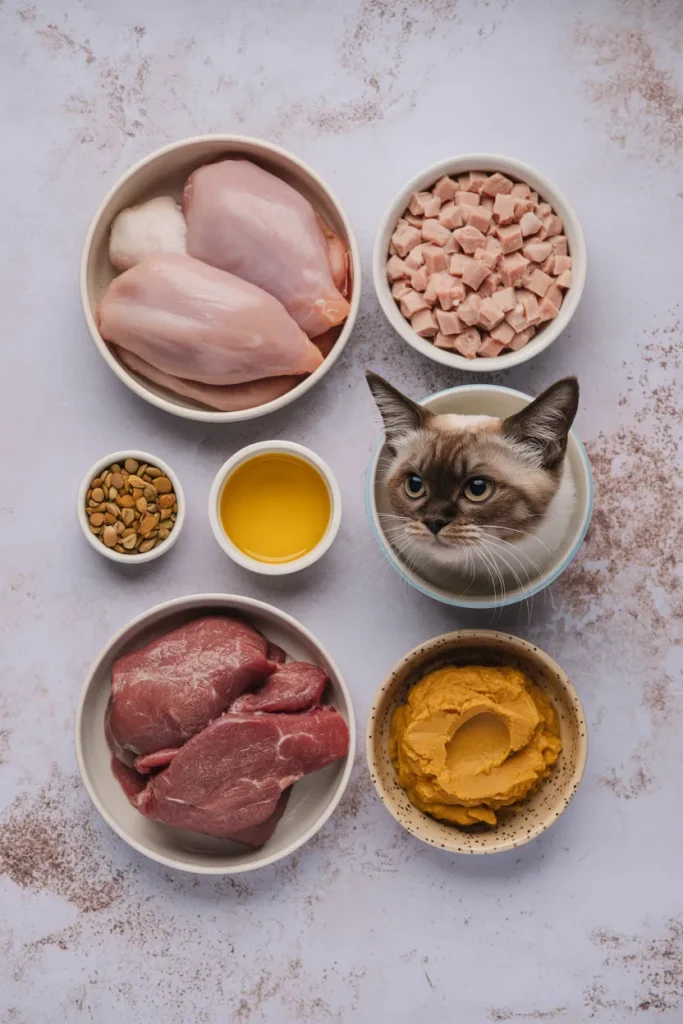
- Protein Swap: Turkey, chicken, or rabbit work with the same ratios.
- Raw-Leaning Approach: Consult a vet and lightly sear outside for safety.
- Omega Options: Substitute krill oil or add small canned sardines (no salt).
- Fiber Tweaks: Adjust pumpkin based on stool consistency.
- Premix Shortcut: High-quality feline premix ensures balance without measuring individual supplements.
FAQ
Is this recipe complete for daily feeding?
Yes, if properly supplemented. Without supplements, use as a topper, not a full diet.
Can kittens eat it?
Kittens need growth-specific formulations with correct calcium, phosphorus, and vitamins. Consult your vet.
Is beef safe for sensitive stomachs?
Often yes, when lightly cooked with moisture. Some cats prefer poultry or novel proteins.
Can I skip liver?
Liver is vital for vitamin A, B-complex, and copper. If skipped, compensate with a complete premix.
How much to feed per day?
Average adult cats eat 20–30 kcal per pound. For a 10-lb cat, 2–4 oz per meal, split twice daily.
Is garlic or onion safe?
No. These are toxic and must be avoided completely.
What if my cat won’t eat it?
Warm slightly, mix in freeze-dried treats, or add a small portion to regular food. Transition slowly over 5–7 days.
Final Thoughts
Making homemade cat meals has transformed my approach to feline nutrition. This beef-based recipe is easy, customizable, and highly palatable. With proper supplementation, it provides complete nutrition while keeping my cat healthy and happy. Moisture, protein, and careful balance make this a reliable option for regular feeding or occasional toppers.