
Dog Grooming Guide: Simple Care Tips for Healthy Coats

This Dog Grooming Guide explains why grooming is not only about looks. It is an important part of caring for your dog’s health and comfort. No matter if your dog has short hair, long hair, curly fur, or no hair at all, each type needs proper care.
Grooming helps keep the coat clean, reduces shedding problems, and allows you to notice skin issues early. Regular brushing, bathing, and trimming are simple habits that protect your dog from discomfort and health problems. When grooming becomes part of your routine, your dog feels better and stays healthier.
Grooming by Coat Type
Every coat type is different, so grooming should match your dog’s fur. Using the same method for all dogs can cause problems. This Dog Grooming Guide explains what each coat needs so you can follow the right routine.
Short Coats
Dogs with short coats may seem easy to manage, but they still need regular brushing. Brushing once or twice a week removes loose hair and spreads natural oils across the skin. Even short-haired dogs shed, especially during certain seasons. Bathing every few months is usually enough unless the dog gets very dirty. Simple tools like a rubber brush or grooming mitt work well to keep their coat smooth and clean.
Double Coats
Double-coated dogs have a thick underlayer beneath the top coat. These dogs need weekly brushing, and during heavy shedding seasons they may need daily care. The undercoat must be removed gently with the right brush. Shaving this type of coat is not recommended because the undercoat helps control body temperature. Regular brushing keeps the coat healthy and reduces loose fur around the home.
Curly and Wavy Coats
Curly and wavy coats can easily form knots and mats. These dogs need brushing every other day or even daily. A slicker brush and comb help remove tangles before they become tight mats. Bathing every few weeks keeps the coat fresh, and regular trims prevent heavy matting. Without frequent care, the fur can become uncomfortable for the dog.
Wiry Coats
Wiry-coated dogs need weekly brushing to remove loose hair. Some breeds require hand-stripping every few months to maintain their coat texture. Bathing does not need to be frequent, only every couple of months unless needed. Proper care keeps the coat firm and neat while protecting the skin underneath.
Long Coats
Dogs with long coats require daily brushing. Their hair tangles easily, especially around the legs, ears, and tail. Regular brushing prevents painful knots. Bathing every few weeks keeps the coat clean. Trimming around sensitive areas such as the eyes and paws helps prevent irritation and keeps the dog comfortable.
Hairless Breeds
Hairless dogs need skin care instead of coat care. Their skin must be cleaned often with gentle wipes and mild shampoo. Weekly baths are usually enough. Because their skin is exposed, moisturizing and sun protection are important to prevent dryness and damage.
Recommended Grooming Tools & Products
The right tools make grooming easier and safer. A good Dog Grooming Guide always focuses on choosing tools based on coat type. Short-haired dogs need simple brushes that remove loose hair. Double-coated dogs need tools that reach the thick undercoat. Curly coats require brushes and combs that prevent matting. Long-haired dogs benefit from pin brushes and slicker brushes to keep the hair smooth. Hairless dogs need gentle cleaning products made for sensitive skin. Using proper tools reduces stress for both the dog and the owner.
Grooming Frequency by Lifestyle
A dog’s daily activities affect grooming needs. Indoor dogs may not need frequent baths, but they still require brushing and nail trims. Dogs that spend time outdoors often need more cleaning, especially paw care and ear checks. Dogs that swim should be rinsed after swimming to remove salt or chlorine. If a dog has allergies, gentle weekly bathing with suitable products may help keep the skin calm. Adjusting grooming to match your dog’s lifestyle keeps them clean without overdoing it.
Common Grooming Mistakes
Even caring owners can make grooming mistakes. Using human shampoo is not safe because it can disturb a dog’s skin balance. Overbathing can remove natural oils and cause dryness. Brushing a wet or badly tangled coat can hurt the dog and damage the hair. Skipping nail trims may lead to walking problems and joint strain. Shaving double-coated breeds can disturb their natural temperature control. Leaving water inside the ears after bathing can cause infections. Avoiding these mistakes keeps grooming safe and comfortable.
Latest Grooming Trends
Modern grooming now includes special deshedding treatments, natural shampoos without harsh chemicals, and quick cleaning sprays for small messes. Paw balms and nose care products are also popular to protect sensitive areas. Mobile grooming services allow dogs to be groomed at home. Some owners even choose creative styles using pet-safe products. These trends show that grooming continues to grow, but the main goal remains the same: keeping dogs healthy and clean.
Grooming Cost Comparison: Home vs Professional
Grooming can be done at home or by a professional groomer. Professional grooming may cost more, especially for large dogs or dogs with thick or curly coats. Home grooming requires buying tools at the start, but over time it can become more affordable. Learning proper techniques takes patience, but many owners find that regular home grooming saves money and builds trust with their dog. Both options work as long as the dog’s needs are met.
Why Grooming Matters
This Dog Grooming Guide highlights the health benefits of regular care. Grooming reduces the risk of ear and skin infections. It prevents painful mats and allows early detection of lumps, fleas, or other problems. Brushing improves blood flow and spreads natural oils, which keeps the coat shiny and the skin healthy. Trimming nails improves movement and comfort, especially for older dogs. Grooming is not only about appearance; it protects overall health.
Puppy Grooming: Start Early
Introducing grooming during puppyhood makes the process easier later in life. Puppies should become familiar with brushes and gentle handling after their vaccinations. Touching their paws, ears, and tail helps them get used to grooming. Using treats during grooming builds positive feelings. Early training creates calm behavior and reduces fear as the puppy grows.
Grooming Checklists & Care Schedules
A clear routine helps you stay organized. Daily brushing may be needed for long or curly coats. Weekly care should include nail trimming, ear cleaning, and dental checks. Monthly tasks may include bathing and trimming certain areas. Adjust the schedule based on coat type, age, and activity level. A steady routine keeps grooming simple and prevents problems from building up.
Final Thoughts: Brushed, Bathed & Blissful
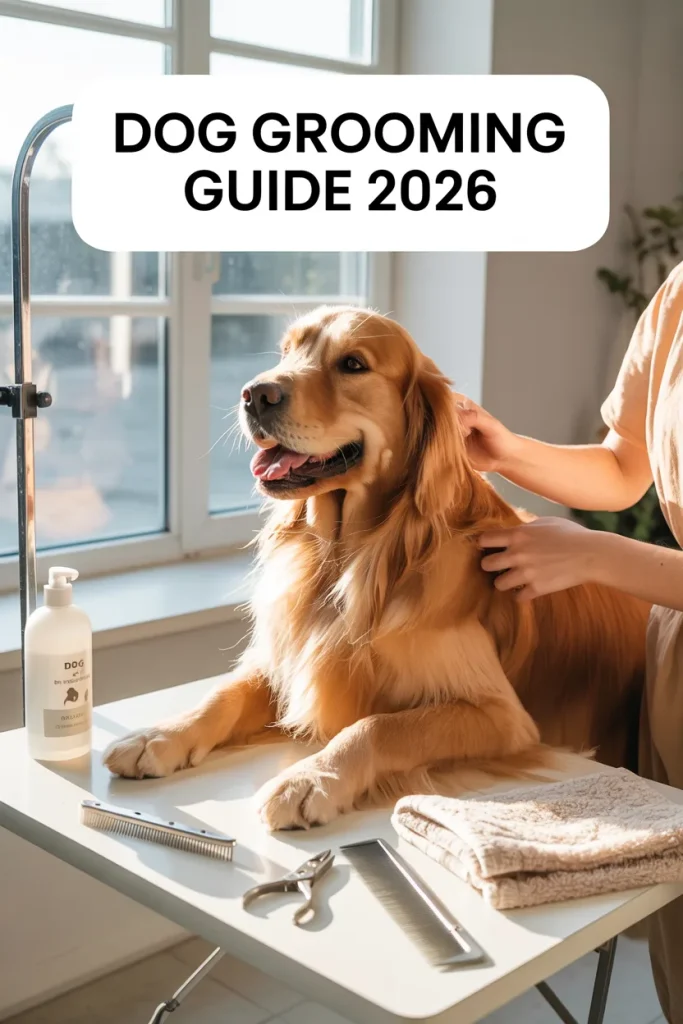
A proper Dog Grooming Guide shows that grooming is a basic part of responsible dog care. Each coat type needs its own routine, and each dog’s lifestyle should be considered. With the right tools, regular care, and patience, grooming becomes easier over time. When grooming is done correctly, dogs stay clean, comfortable, and healthy throughout their lives.