
Creative Dog House Designs I’ve Explored for Comfort
Written By:

When I started exploring creative dog house designs, I realized it’s not just about building a shelter. It’s about creating a space where a dog feels safe, relaxed, and part of the family environment. From my experience, dogs that have a dedicated space show better behavior, less stress, and improved sleep patterns.
In this guide, I’m sharing 10 dog house designs based on real observations, practical use cases, and feedback from pet owners. These ideas include modern, rustic, eco-friendly, luxury, and space-saving options. I’ve also added practical insights I personally recommend when planning a dog house.
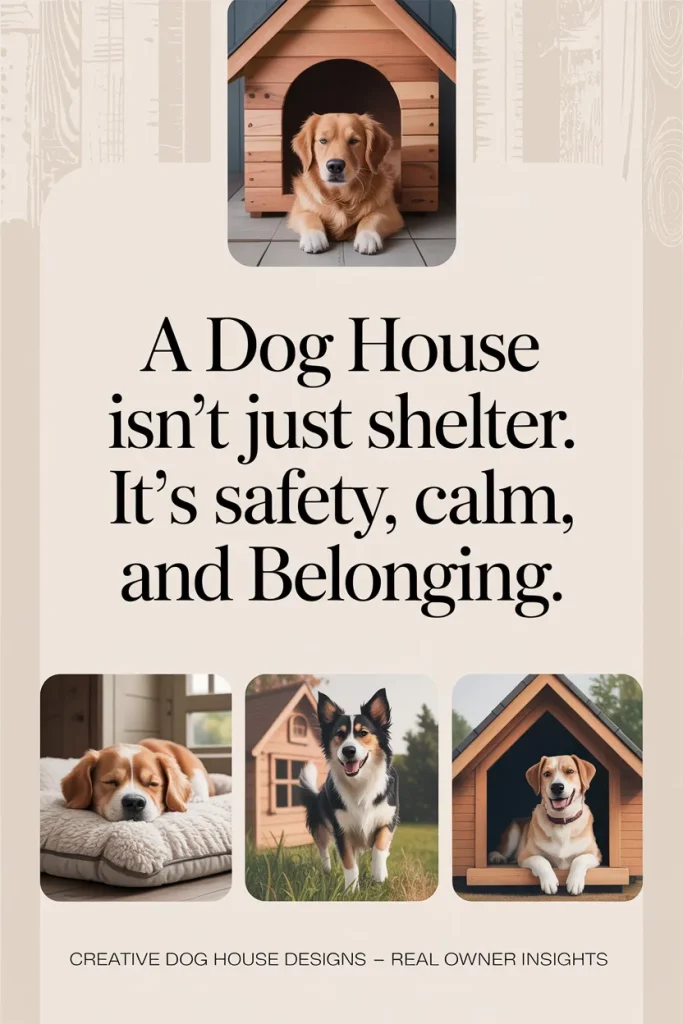
My focus here is simple—comfort, durability, and real-life usability rather than just appearance.
Key Takeaways
- A proper dog house improves comfort, sleep quality, and behavior
- Design should match dog size, climate, and lifestyle
- Ventilation and insulation are more important than decoration
- Modular and compact designs suit modern homes better
- Eco-friendly materials are practical and sustainable
- Small upgrades like elevation and bedding improve comfort a lot
Modern Minimalist Dog House
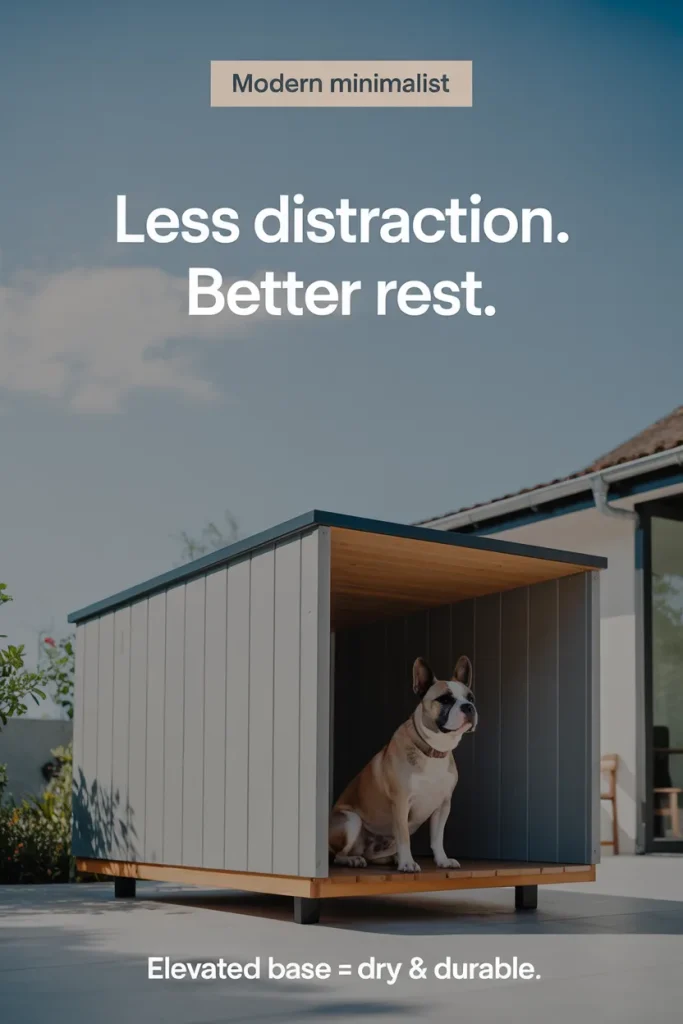
From my experience, modern minimalist dog houses work best when you want something clean, simple, and easy to maintain. These designs usually use neutral colors and straight structures that blend into outdoor spaces.
Dogs adapt quickly to these houses because there are fewer distractions and more calm space. I’ve noticed they tend to rest better in simple, open designs.
A practical tip I always suggest is keeping the base slightly elevated. It helps prevent water damage and keeps the interior dry.
Dog House with Outdoor Deck
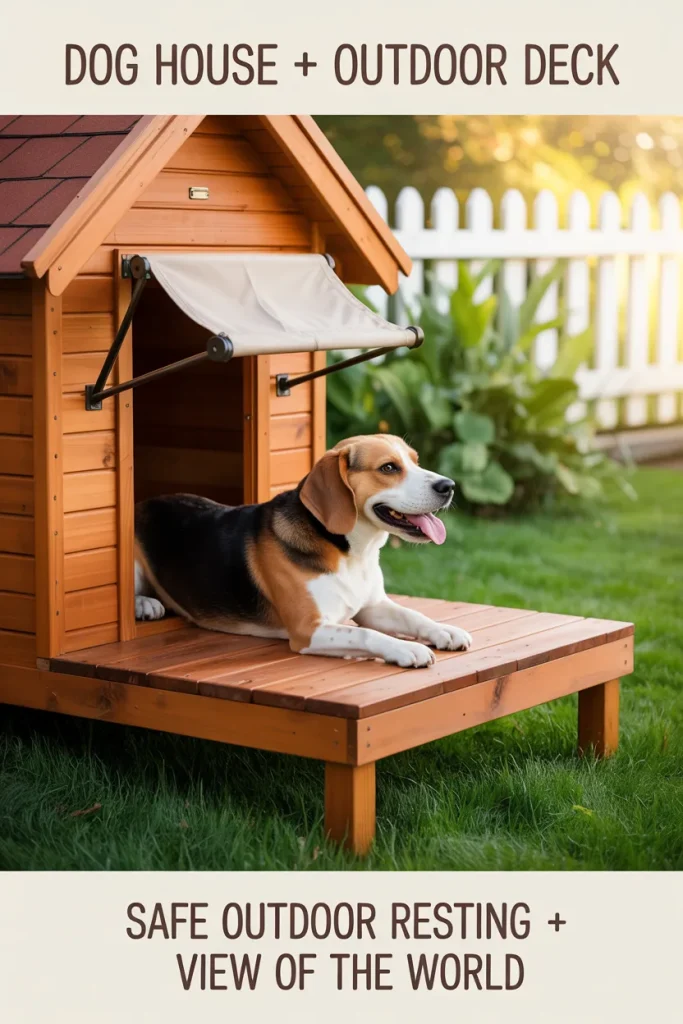
I’ve seen that dogs really enjoy outdoor deck designs because it gives them a comfortable resting space while still letting them observe their surroundings.
This design is especially useful for active or social dogs who don’t like feeling closed in. It also encourages them to spend more time outside safely.
My advice is to use durable, weather-resistant wood and add shade if the area gets strong sunlight.
Eco-Friendly Dog House
Eco-friendly dog houses are becoming more practical, and I’ve seen them work very well in both urban and rural settings. Some advanced versions even use solar energy for ventilation or lighting.
From real usage, natural wood with proper sealing keeps the temperature more stable inside the house. It also reduces overheating during summer.
A simple but important tip is to place the house in a partially shaded area for better temperature control.
Luxury Dog Mansion
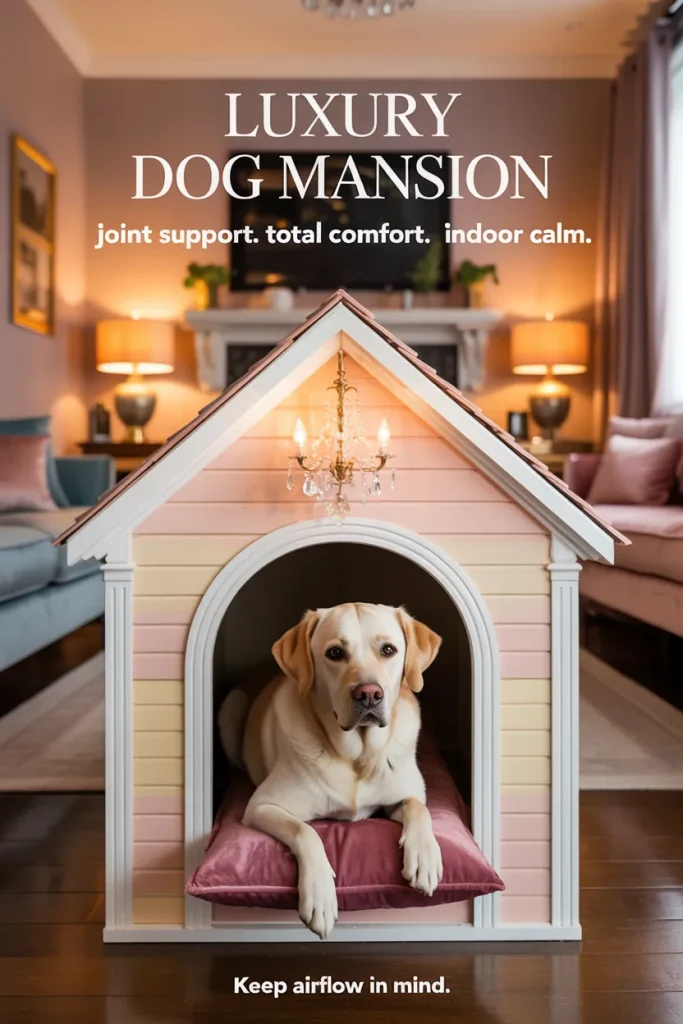
Luxury dog houses focus more on comfort and lifestyle integration. I’ve seen setups with soft bedding, spacious layouts, and even temperature control systems.
These are especially helpful for older dogs or pets that spend most of their time indoors. They provide extra comfort and joint support.
My honest suggestion is not to overfill the space with decor because it can reduce airflow and make cleaning harder.
Customizable Modular Dog House
Modular dog houses are one of the most practical options I’ve come across. They allow you to adjust size, layout, or design depending on your dog’s needs.
From experience, owners prefer this because it saves money long term and adapts as pets grow.
A key tip is to choose strong, waterproof connectors so the structure stays stable in all seasons.
Rustic Wooden Dog Cabin
Rustic wooden cabins are very reliable for outdoor environments. I’ve noticed they naturally blend into gardens and provide strong insulation when built with thick wood.
Dogs tend to feel secure in these enclosed wooden spaces, especially in colder weather.
One important tip is to slightly raise the base to protect against moisture and pests.
Themed Dog House Design
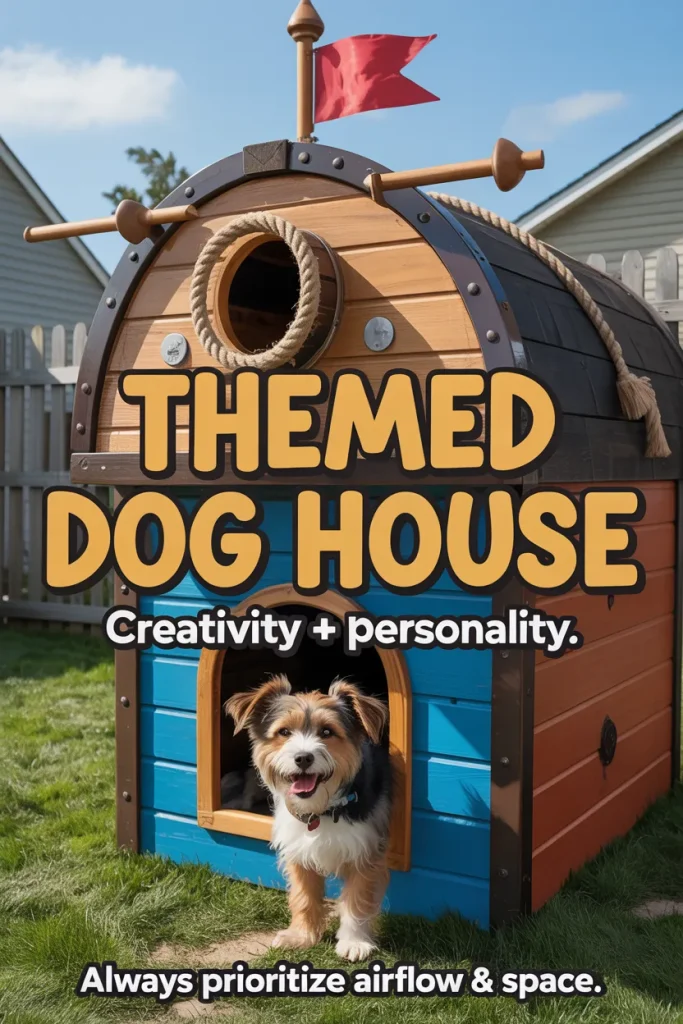
Themed dog houses are more about creativity and personality. I’ve seen designs like pirate ships, castles, and playful structures that match owner preferences.
While they don’t always improve function, they definitely make outdoor spaces more engaging and fun.
My advice is to always ensure airflow and usable space are not compromised by decorative elements.
Compact Urban Dog House
Compact dog houses are ideal for city environments where space is limited. I’ve worked with many setups where smart design mattered more than size.
These houses focus on ventilation, elevation, and efficient use of space.
A useful rule I follow is to always provide at least 20–30% extra space beyond the dog’s body size for comfort.
Interactive Dog House with Play Area
Interactive dog houses are great for mental and physical stimulation. I’ve seen clear behavior improvements in dogs that have built-in play areas.
From experience, these setups help reduce boredom and destructive behavior at home.
Rotating toys regularly is something I always recommend to keep dogs engaged.
Insulated Winter Dog House
Insulation is one of the most important factors in cold climates. I’ve seen many poorly built houses fail to protect dogs during winter nights.
A good insulated design includes thick walls, a raised floor, and a covered entrance to block wind.
My practical tip is to use straw or foam insulation for better heat retention without reducing space.
Conclusion
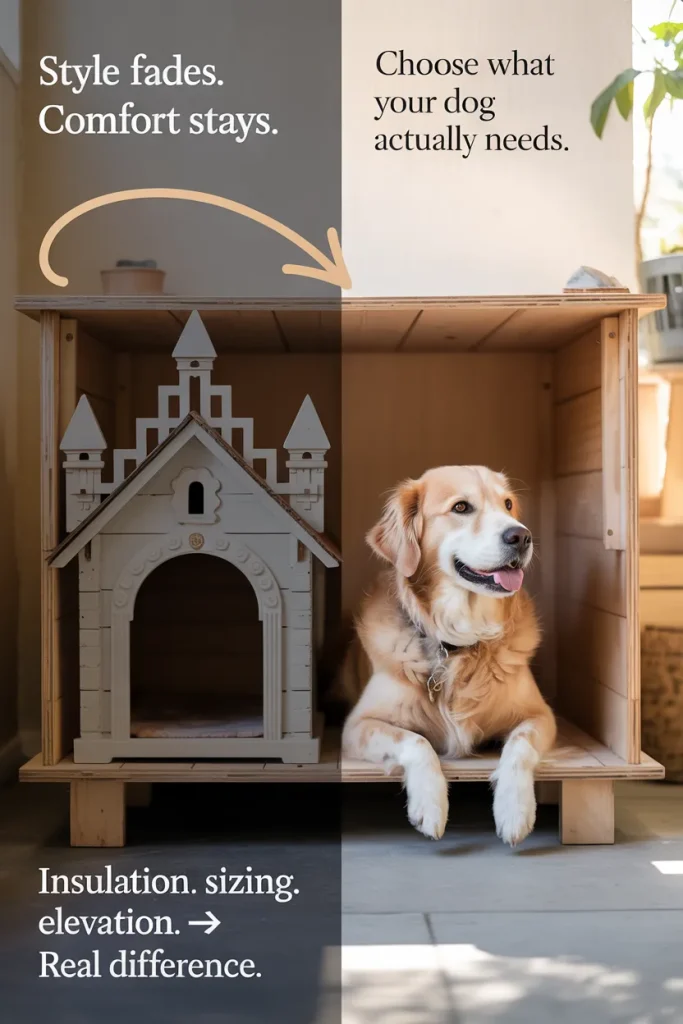
After reviewing these creative dog house designs, I’ve learned that the best choice depends on your dog’s lifestyle, climate, and behavior needs. Style is important, but comfort and safety matter more in real life.
From my experience, simple improvements like insulation, proper sizing, and elevation often make a bigger difference than expensive designs. If you focus on your dog’s real needs, you’ll naturally build a space they enjoy every day.
FAQs
What is the best material for a dog house?
From my experience, wood is the most balanced option because it offers natural insulation and durability. Treated cedar or pine works best since it resists moisture and insects better than untreated materials.
How big should a dog house be?
I always follow a simple rule: the dog should be able to stand, turn around, and lie down comfortably. In most cases, adding 20–30% extra space beyond your dog’s body size works well.
Do dogs really need insulated dog houses?
Yes, especially in hot or cold climates. I’ve seen insulated houses reduce heat stress in summer and retain warmth in winter, improving overall comfort and health.
Is a raised dog house better?
In my experience, yes. Elevation helps prevent moisture, keeps the floor dry, and reduces the risk of pests. It also improves airflow underneath the structure.
What is the ideal location for a dog house?
I usually recommend placing it in a shaded, low-wind area. This helps protect your dog from harsh sun, rain, and strong winds while maintaining comfort.
Can a dog house be used indoors?
Yes, indoor dog houses work well for small breeds or apartment living. They act more like a safe resting zone rather than full outdoor shelter.
How do I keep a dog house cool in summer?
Good ventilation is key. I also suggest adding shade, reflective roofing, and proper airflow design to reduce heat buildup inside.
How do I keep a dog house warm in winter?
Use insulation materials like foam or straw, reduce entrance size to block wind, and add a raised floor to prevent cold from the ground.
Are luxury dog houses worth it?
They can be worth it for indoor pets or older dogs who need extra comfort. However, I’ve noticed basic well-built houses often work just as effectively.
What is the easiest dog house design to maintain?
Minimalist and modular designs are the easiest to maintain because they are simple to clean, repair, and adjust when needed.
Can I build a dog house myself?
Yes, I’ve seen many owners successfully build their own. Basic tools and proper planning are enough if you follow correct sizing and ventilation guidelines.
How often should I clean a dog house?
I recommend cleaning it at least once a week. Regular cleaning prevents odor buildup, bacteria, and pests.
What type of roof is best for a dog house?
Sloped roofs work best in most climates because they allow rain and snow to slide off easily, preventing water damage.


