
Chicken Pieces and Pumpkin Homemade Dog Food – Simple, Comforting, and Balanced
Written By:

If my dog reacts instantly to the smell of chicken, I already know this meal will be a success. This recipe is simple, filling, and made with ingredients I usually already have at home. Pumpkin adds a smooth texture and supports digestion without needing any extra seasoning. What I like most is how easy it is to batch cook this meal in one go. In under an hour, I can prepare enough food for several days without much effort.

Whether I’m mixing it with kibble or following a vet-guided homemade diet, this recipe gives me a reliable starting point.
Chicken Pieces and Pumpkin Homemade Dog Food

Chicken and pumpkin homemade dog food recipe with simple ingredients, health benefits, storage tips, and feeding guide for a balanced diet.
Ingredients
- 1.5 lbs skinless boneless chicken (thighs or breasts), chopped
- 1.5 cups plain pumpkin puree (not pie filling) or 2 cups fresh pumpkin
- 1 cup white rice (or ¾ cup brown rice if tolerated)
- 1 cup carrots, diced
- 1 cup green beans, chopped
- 1 tbsp olive oil or canola oil
- 3–4 cups water or low-sodium chicken broth (as needed)
- Optional: parsley (1–2 tbsp), ground flaxseed (1 tbsp)
- Vet-approved canine multivitamin/mineral supplement (as directed)
- Optional calcium: ground eggshell (½ tsp per cup of food, vet-guided)
Key Takeaways
- I use lean chicken for high-quality protein and muscle support
- Pumpkin provides soluble fiber, helping with digestion and stool quality
- Rice keeps meals easy on the stomach, especially for sensitive dogs
- This recipe is customizable and scalable for different dog sizes
- Supplements are important to make it more nutritionally complete
- Proper storage helps maintain freshness for up to 3 months (frozen)
What Makes This Special
I keep this recipe simple, but it still delivers real nutritional value for my dog. Chicken provides lean protein that supports daily energy and muscle health, while pumpkin helps maintain a healthy digestive system. Rice completes the meal by offering an easy-to-digest source of carbohydrates.
Another reason I like this recipe is how customizable it is without making things complicated. I can add vegetables like carrots or green beans to boost vitamins without increasing cost too much. This makes it practical for long-term feeding while still improving nutrient variety.
The texture is another big advantage that I’ve noticed over time. It turns out soft enough for older dogs who may have dental issues, but still filling for active dogs. Even picky eaters tend to enjoy it because of its natural flavor and smell.
Pro tip: I always keep vegetables around 20–30% of the total recipe to avoid digestive upset.
What You’ll Need
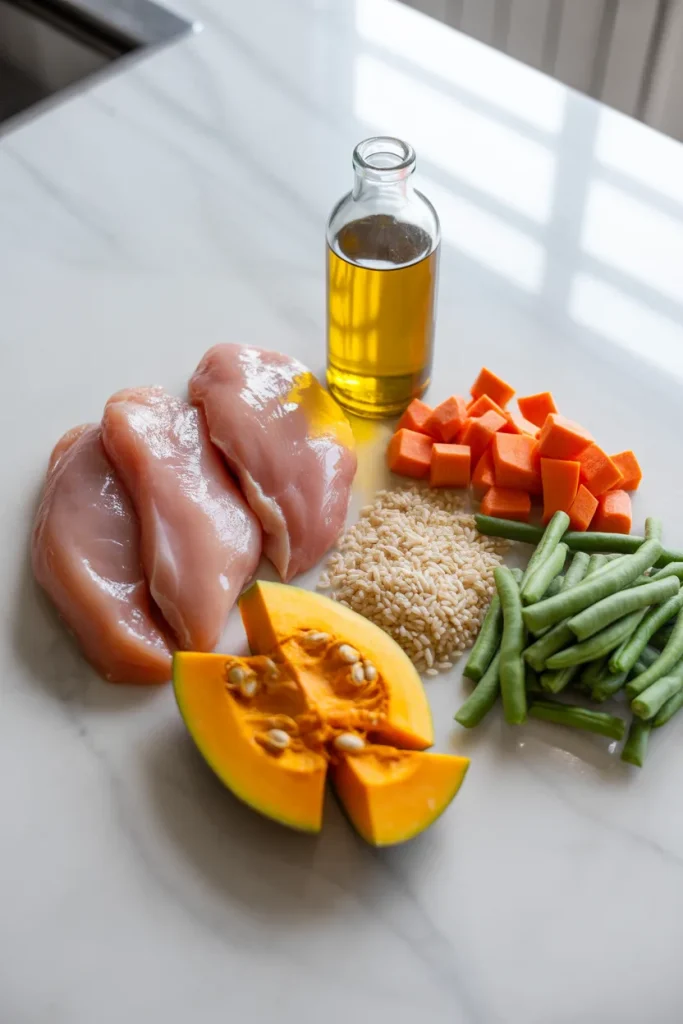
I stick to simple and accessible ingredients that are easy to find and prepare at home. Chicken serves as the main protein source, while pumpkin and rice build the base of the meal. Fresh vegetables help add nutrients without making the recipe too heavy.
Optional ingredients like flaxseed or parsley can improve nutrition slightly without complicating the process. I also include a vet-approved supplement to make sure my dog gets complete nutrition. If needed, I add ground eggshell as a natural calcium source.
How to Make It
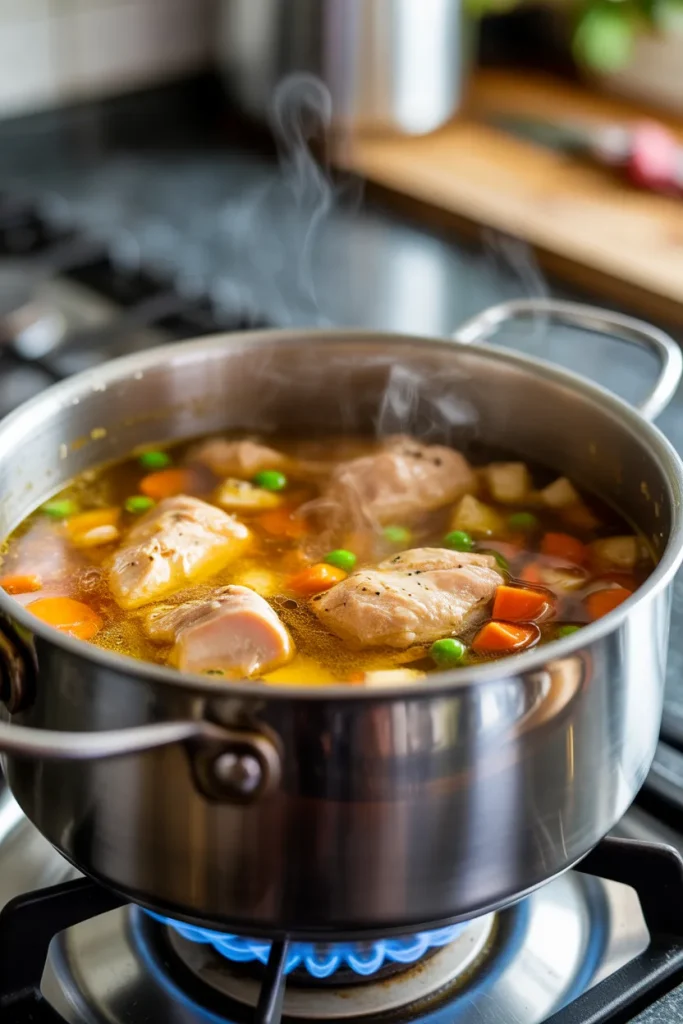
Prep the rice
I rinse the rice until the water runs clear to remove excess starch. Then I cook it fully and let it cool before mixing it with other ingredients. This helps improve texture and prevents clumping in the final dish.
Cook the chicken
I heat oil on medium and cook the chicken until it is fully done with no pink remaining. It usually takes about 8–10 minutes depending on the size of the pieces. I avoid overcooking or browning too much to keep the meat soft and easy to chew.
Soften the veggies
I add carrots and green beans along with water or broth to the pot. Then I let everything simmer until the vegetables become soft and easy to mash. This step helps improve digestibility, especially for sensitive dogs.
Add pumpkin
I stir in pumpkin puree and mix it evenly with the other ingredients. The texture becomes creamy and smooth, which makes the meal more appealing. If using fresh pumpkin, I make sure it’s fully softened before mixing.
Combine with rice
I fold in the cooked rice and mix everything thoroughly. Then I adjust the liquid until the texture becomes soft and slightly moist. It should not be dry because dogs digest softer food more easily.
Cool completely
I always let the food cool down before serving or storing it. This step is important for safety and helps the mixture settle properly. It also makes portioning much easier.
Add supplements
Once the food is cool, I mix in supplements and calcium sources if needed. Heat can damage nutrients, so I never add them during cooking. This ensures my dog gets the full benefit.
Portion and serve
I start with a small portion to see how my dog reacts to the new food. After that, I divide the rest into proper serving sizes. This helps maintain consistency and avoids overfeeding.
Storage Instructions
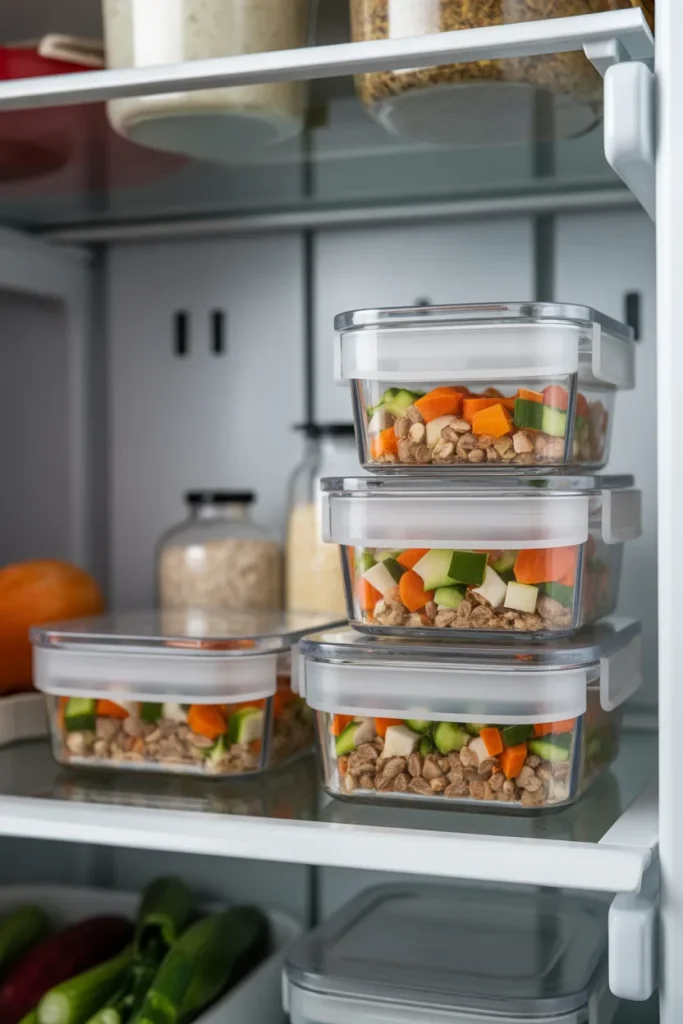
From my experience, proper storage makes a big difference in maintaining freshness and safety. I keep portions in airtight containers to prevent contamination and moisture loss. This also makes daily feeding more convenient.
In the fridge, the food stays fresh for up to 4 days without any issues. For longer storage, I freeze portions which can last up to 2–3 months. When reheating, I only warm it slightly to avoid burning or uneven heat.
Pro tip: I store food in single-meal portions to avoid repeated reheating and nutrient loss.
Health Benefits
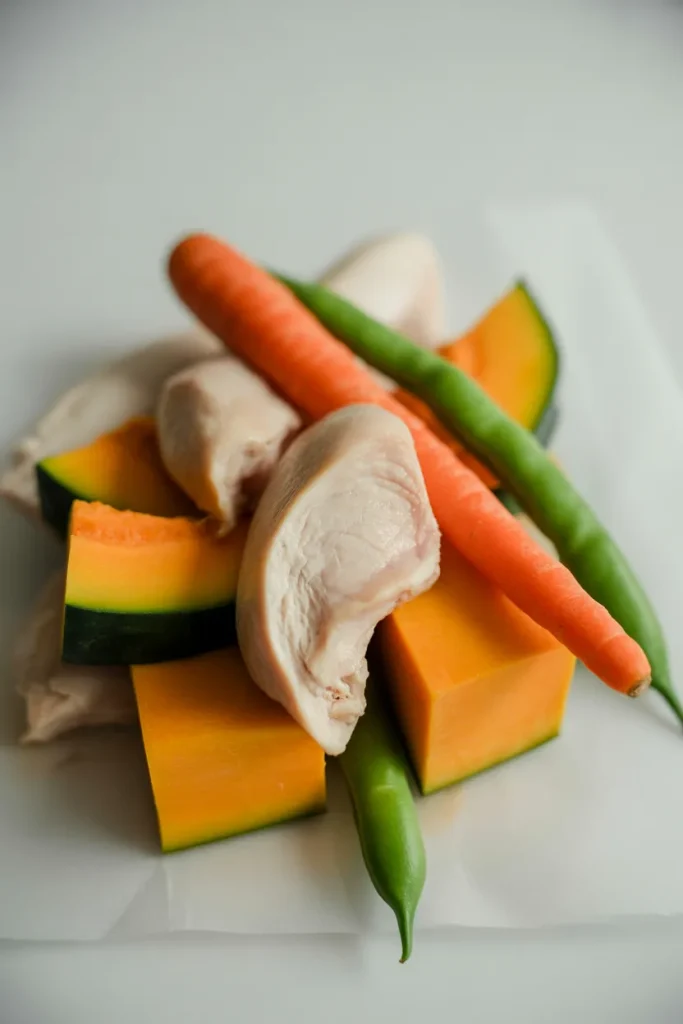
Chicken provides a strong source of protein that supports muscle growth and daily energy needs. Most adult dogs require around 18–25% protein in their diet, and this recipe helps meet that baseline. It’s especially useful for active dogs or those maintaining weight.
Pumpkin adds soluble fiber, which can help manage mild digestive issues like loose stools. Rice is often used in bland diets because it is gentle on the stomach and easy to digest. Together, these ingredients create a balanced and supportive meal.
Vegetables add important vitamins like beta-carotene and antioxidants. Healthy fats from oil improve coat quality and help absorb nutrients better. This combination supports overall health when used properly.
Pitfalls to Watch Out For
I’ve learned that skipping supplements can lead to nutritional gaps over time. Homemade meals often lack key minerals like calcium and iodine. That’s why I always include a vet-approved supplement for balance.
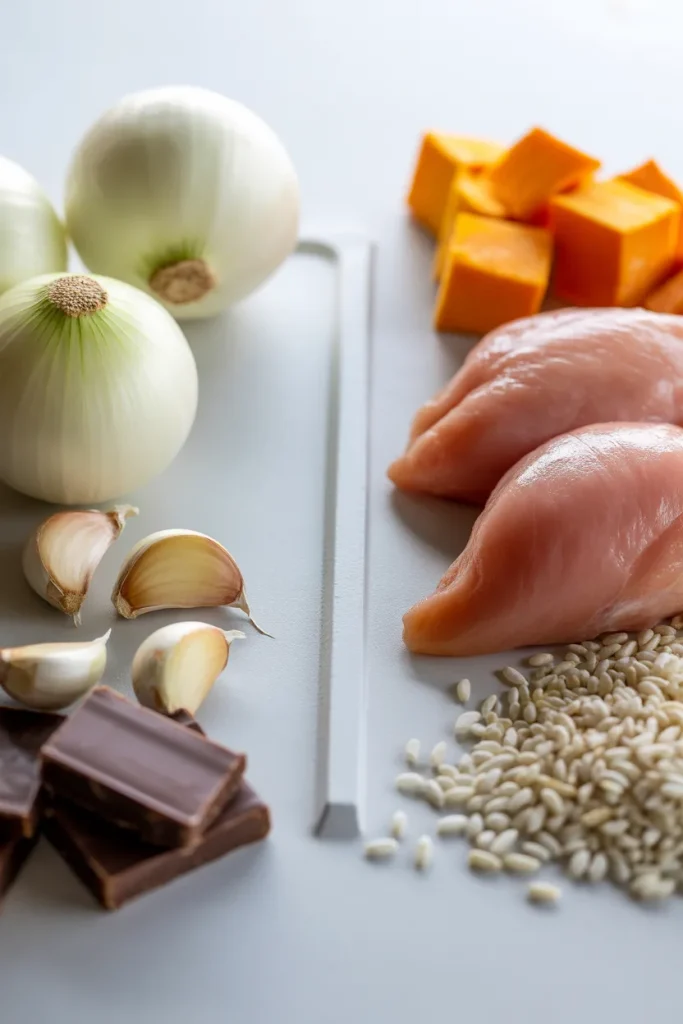
Using the wrong ingredients can also be risky for dogs. Garlic, onions, and spices should always be avoided because they can be toxic. I also make sure to use plain pumpkin instead of pie filling, which contains sugar and additives.
Overfeeding is another common issue with homemade meals. Dogs often enjoy this recipe so much that they beg for more. I measure portions carefully and transition slowly over 3–5 days when introducing it.
Recipe Variations
I like changing things occasionally to keep meals interesting and suited to my dog’s needs. Turkey works as a great alternative to chicken while maintaining a similar nutritional profile. For some dogs, switching proteins can also help with sensitivities.
Instead of rice, I sometimes use oats or quinoa if my dog tolerates them well. Adding vegetables like spinach, peas, or zucchini increases nutrient variety without much effort. This keeps the recipe flexible and practical.
For dogs needing more calories, I add a small amount of salmon oil. It provides omega-3 fatty acids that support skin, coat, and overall health. I always introduce changes gradually to avoid digestive issues.
FAQ
How much should I feed my dog?
I usually start with about 2–3% of my dog’s body weight per day. This amount is split into two meals for better digestion and energy balance. I adjust portions based on activity level and body condition.
Is this nutritionally complete?
On its own, this recipe is not fully complete for long-term feeding. Dogs need specific vitamins and minerals in the right balance. That’s why I always include a vet-approved supplement.
Can I use canned pumpkin?
Yes, but I only use 100% pure pumpkin with no added sugar or spices. If using fresh pumpkin, I cook it until soft before mixing. This ensures proper digestion and texture.
Can I cook everything in one pot?
Yes, and I often prefer doing it this way to save time. Cooking everything together helps blend flavors and simplifies cleanup. It’s a practical option for busy routines.
What if my dog has a sensitive stomach?
I start with small portions and keep the recipe simple using white rice. If symptoms continue for more than a day or two, I consult a vet. Every dog reacts differently, so monitoring is important.
Wrapping Up
I keep coming back to this recipe because it’s simple, reliable, and easy to adjust. It allows me to control what my dog eats while still being practical for everyday use. That balance is what makes it work long-term.
As long as I use clean ingredients, proper portions, and the right supplements, this meal fits well into a healthy routine. Seeing my dog enjoy every bite makes the effort feel worth it every single time.