

Beef Heart and Chicken Thigh Cat Meal – A Simple, Nourishing Homemade Recipe
Written By:

Feeding my cats fresh homemade meals helped me understand how much texture, smell, and moisture matter to picky eaters. This Beef Heart and Chicken Thigh Cat Food recipe uses simple ingredients that are rich in protein, taurine, and healthy fats without relying on fillers or artificial flavors. It is easy to prep in batches, freezer friendly, and works well as either a full meal or a topper alongside commercial food.
I like this recipe because it gives me more control over ingredient quality while still keeping costs reasonable. Beef heart provides natural taurine that supports heart and eye health, while chicken thighs add moisture and flavor most cats enjoy. The soft texture also helps cats who avoid dry or chunky meals.
Homemade cat food has become more popular in recent years. According to the American Pet Products Association, pet owners continue spending billions yearly on premium and fresh pet nutrition because many people want fewer processed ingredients and more transparency in what their pets eat.
Before changing your cat’s diet completely, I always recommend speaking with a veterinarian or veterinary nutritionist, especially for kittens, senior cats, or cats with medical conditions.
Beef Heart and Chicken Thigh Cat Meal

Homemade beef heart and chicken thigh cat food recipe packed with taurine, protein, and healthy fats for picky cats and balanced nutrition.
Ingredients
- 1 pound (450 g) beef heart, trimmed
- 2 pounds (900 g) chicken thighs
- 2 large egg yolks, lightly beaten
- 1–2 teaspoons salmon oil or sardine oil
- 500–1,000 mg taurine powder
- 2 teaspoons finely ground eggshell powder or food-grade bone meal
- 1/4 to 1/2 cup water or unsalted pet-safe bone broth
- Optional feline multivitamin with iodine
Instructions
- Trim the beef heart and remove any thick connective tissue or large vessels. Cut into smaller chunks.
- Remove bones from chicken thighs if not grinding them. If using boneless meat, make sure to add eggshell powder or bone meal for calcium balance.
- Grind or finely chop the beef heart and chicken thighs until the texture is soft but still slightly chunky.
- If preferred, lightly sear the outside of the meat while keeping the inside slightly pink. Let cool completely before mixing.
- Add egg yolks, taurine powder, salmon oil, and calcium source into the meat mixture.
- Pour in water or pet-safe broth to create a moist texture cats can easily eat.
- Mix thoroughly until all ingredients are evenly distributed.
- Divide into daily meal portions based on your cat’s size and appetite.
- Refrigerate portions for up to 48 hours and freeze the remaining servings.
Key Takeaways
- Beef heart is naturally rich in taurine, which cats need for heart and eye health
- Chicken thighs provide moisture, protein, and flavor cats usually prefer over lean breast meat
- Proper calcium balance is important when using boneless meat
- Fish oil adds omega-3 fatty acids for skin, coat, and joint support
- Homemade cat food should stay plain with no onions, garlic, or seasoning
- Batch prepping and freezing portions makes feeding easier during the week
- Slow diet transitions help prevent stomach upset in sensitive cats
What Makes This Special
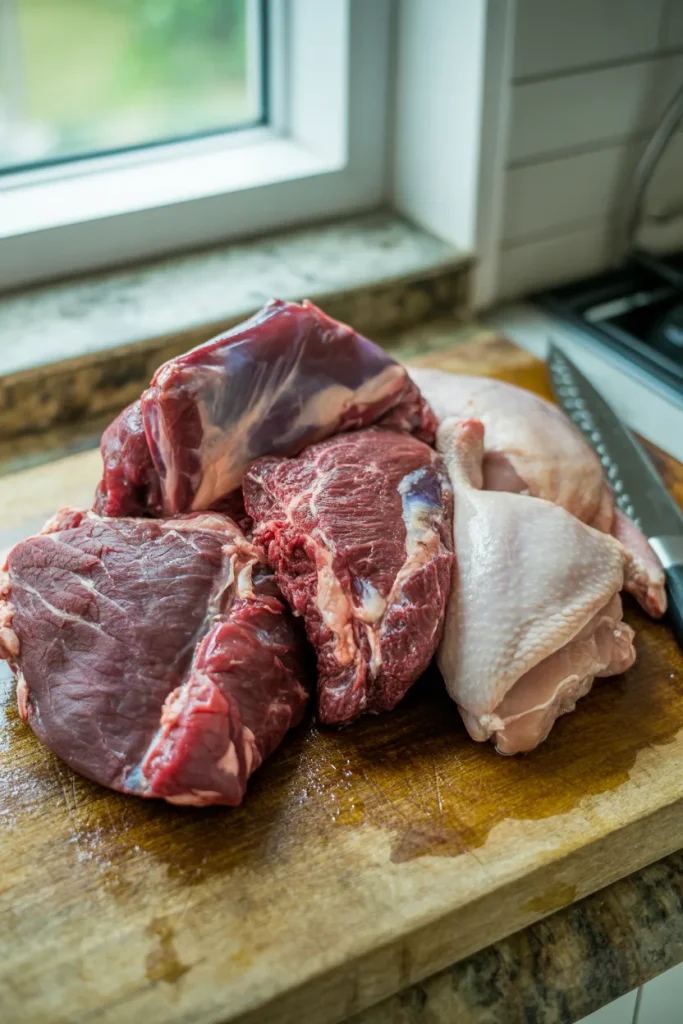
What makes this recipe stand out for me is the combination of beef heart and chicken thighs. Beef heart is affordable compared to many other organ meats, yet it naturally contains taurine, iron, zinc, and B vitamins that cats need for daily health.
Chicken thighs also work better than breast meat in my experience because dark meat has more fat and stronger flavor. Many cats refuse dry or bland meals, so the extra moisture and richness help improve acceptance.
I also like that this recipe only needs a few supplements to support better nutritional balance. With proper calcium and omega-3s added, it becomes a more complete homemade option without becoming complicated or expensive.
Shopping List
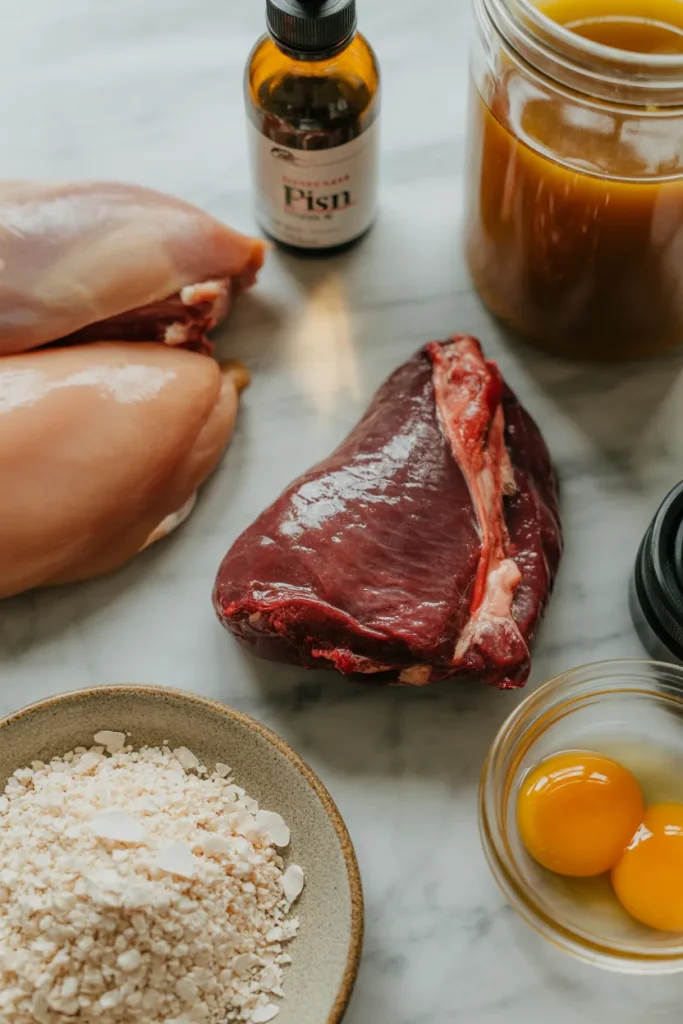
Here is everything I normally use when making this recipe at home:
- 1 pound beef heart, trimmed
- 2 pounds skin-on chicken thighs
- 2 large egg yolks
- 1 to 2 teaspoons salmon oil or sardine oil
- 500 to 1,000 mg taurine powder
- Finely ground eggshell powder or food-grade bone meal
- Water or unsalted pet-safe bone broth
- Optional feline multivitamin with iodine
I always keep the recipe plain and avoid onions, garlic, chives, seasoning blends, or excess salt because these ingredients can be harmful to cats.
How to Make It
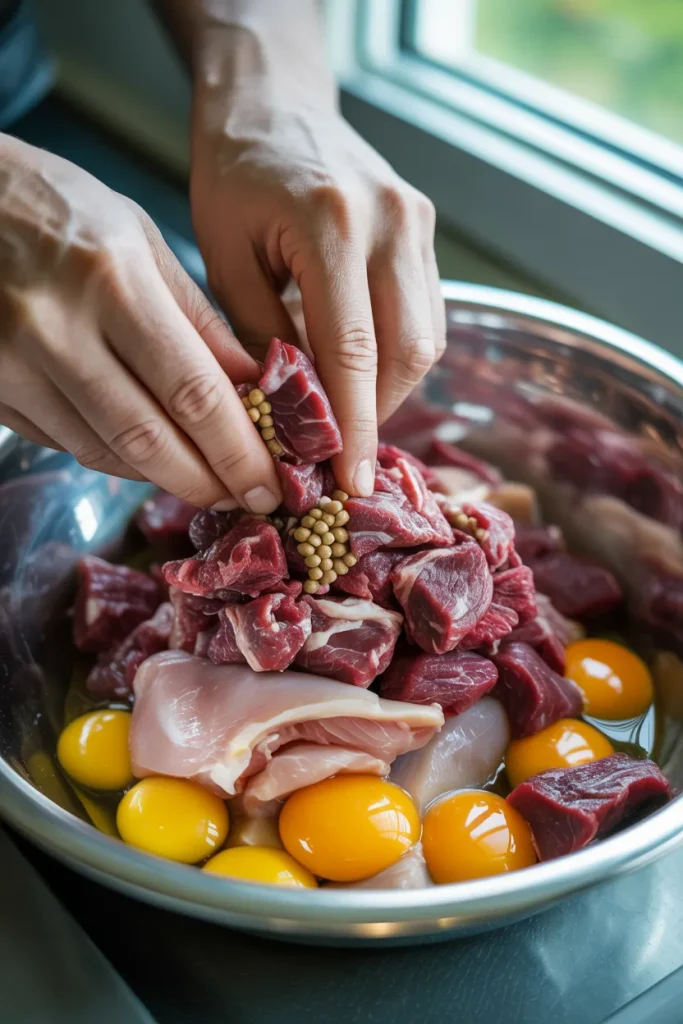
Prepare the Chicken
If I am grinding bones, I run the chicken thighs through a meat grinder with the bones included. If not, I remove the bones first and add eggshell powder later for calcium balance.
For cats sensitive to fatty meals, I sometimes remove part of the skin to make digestion easier while still keeping enough fat for flavor.
Trim the Beef Heart
I trim away thick connective tissue and large blood vessels before cutting the beef heart into smaller chunks. A grinder works best, but a food processor or sharp knife can also get the job done.
Fresh beef heart has a rich smell that many cats respond to immediately, especially picky eaters who ignore bland proteins.
Decide Between Raw or Lightly Cooked
Some cat owners prefer raw feeding while others feel safer lightly cooking the meat. I usually do a quick sear on the outside while keeping the center slightly pink because it keeps texture soft and preserves moisture.
If using raw meat, keeping everything cold and sanitized is extremely important to lower bacterial risk.
Combine the Ingredients
I mix the chicken and beef heart together in a large bowl using roughly two parts chicken to one part beef heart. This ratio creates a softer texture without making the meal too rich.
Then I add:
- Egg yolks
- Taurine powder
- Fish oil
- Calcium source if bones were removed
Mixing thoroughly helps every serving contain the same nutrients.
Add Moisture
Cats naturally have a low thirst drive, so I always add water or unsalted pet-safe broth. This creates a softer consistency and helps support hydration, especially for cats eating mostly dry kibble before switching.
Portion and Store
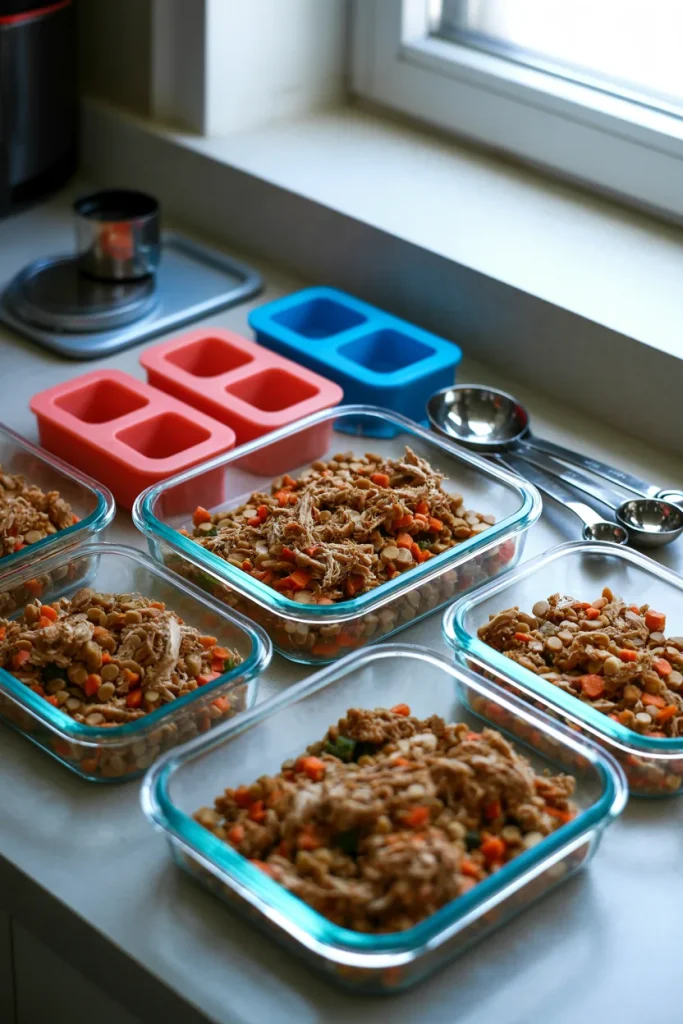
I divide the mixture into daily servings before refrigerating or freezing. Most adult cats eat around 2 to 4 percent of their body weight daily depending on activity level and body condition.
Silicone trays or small airtight containers make portioning much easier during busy weeks.
How to Store
Refrigerator
Fresh portions should stay refrigerated in sealed containers and used within 48 hours for best freshness and safety.
Freezer
Frozen portions usually keep well for about 2 to 3 months. I always label containers with the prep date to avoid waste.
Thawing and Serving
I thaw meals overnight inside the refrigerator instead of leaving them on the counter. Slightly warming the food can improve smell and encourage picky cats to eat more willingly.
Overheating should be avoided because it may damage nutrients and dry out the texture.
Why This is Good for You
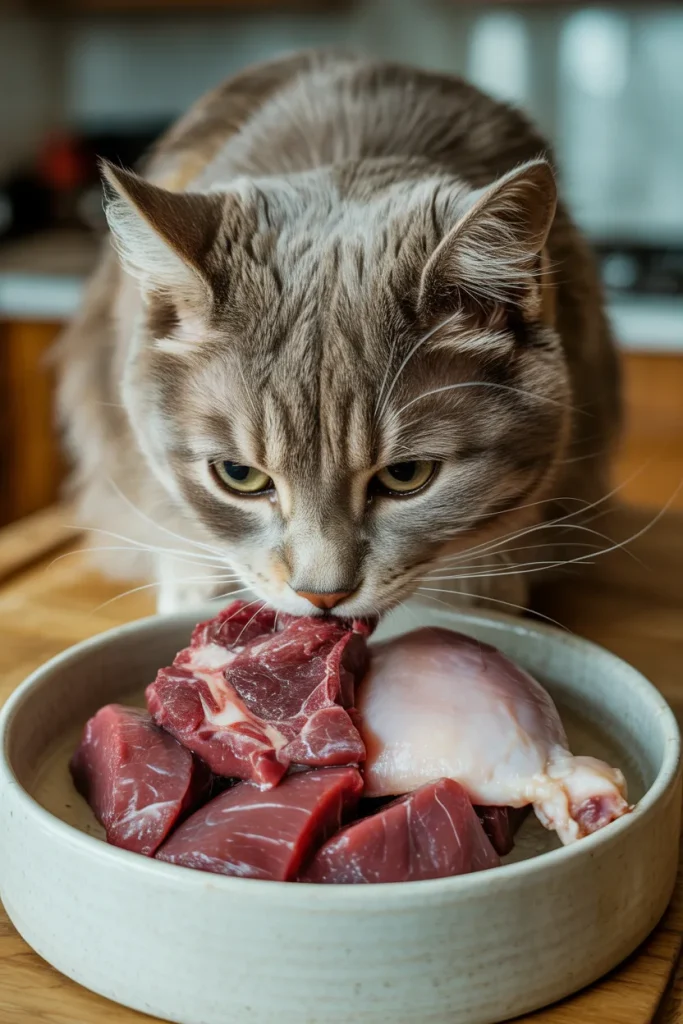
This homemade cat food supports feline health through high-quality animal protein, healthy fats, and natural taurine sources. Cats are obligate carnivores, meaning their bodies depend heavily on nutrients found in meat rather than carbohydrates.
Beef heart and chicken thighs provide amino acids that support muscles, heart function, and energy levels. Egg yolks add fat-soluble vitamins while fish oil contributes omega-3 fatty acids that may support skin, coat quality, and joint comfort.
Balanced calcium is another major benefit. When homemade diets lack enough calcium, long-term bone and metabolic problems can develop. That is why adding eggshell powder or bone meal matters so much when using boneless meat.
For long-term homemade feeding, I still believe regular vet checkups and nutritional guidance are important because every cat’s needs can differ based on age, weight, and health conditions.
Common Mistakes to Avoid
Forgetting Calcium
One of the biggest homemade cat food mistakes is feeding boneless meat without adding calcium. Too much phosphorus without calcium can affect bone health over time.
Not Adding Extra Taurine
Even though beef heart naturally contains taurine, adding taurine powder gives extra support, especially if the meat is partially cooked.
Using Unsafe Ingredients
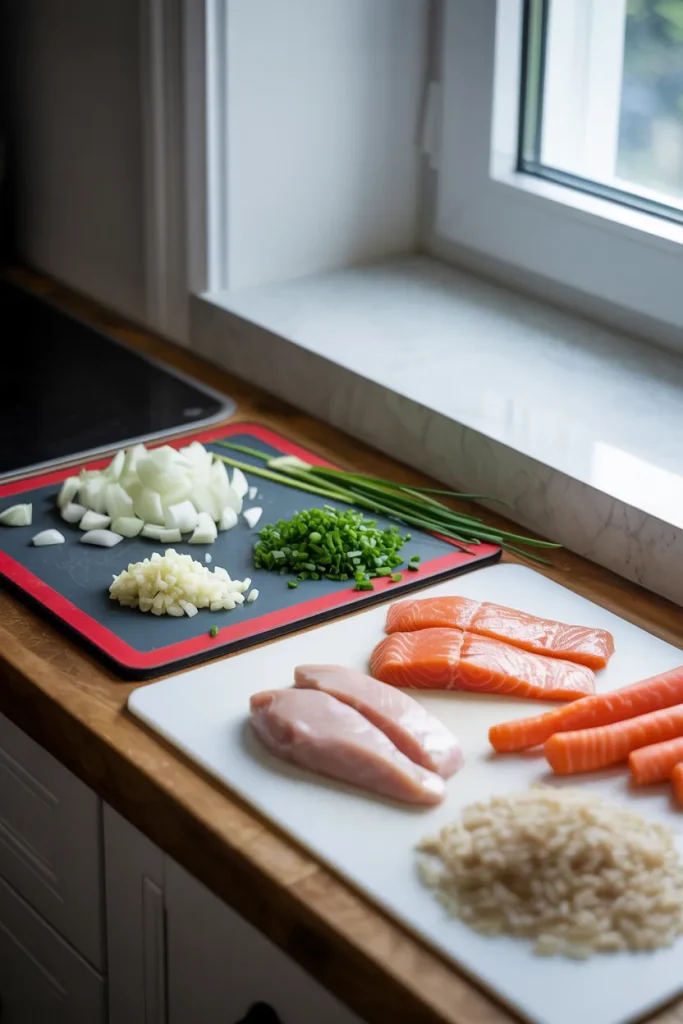
Onions, garlic, excess salt, and seasoning blends should never be included in cat food recipes. Even small amounts can cause serious health issues.
Cooking the Meat Too Much
High heat reduces moisture and may lower taurine levels. Slight cooking or gentle searing works much better for texture and nutrition.
Poor Food Safety
I always clean cutting boards, bowls, grinders, and countertops carefully after prep. Keeping raw meat cold helps lower bacterial growth.
Switching Diets Too Quickly
Cats often struggle with sudden diet changes. I slowly mix homemade food into regular meals over 5 to 7 days to help prevent stomach upset.
Recipe Variations
Turkey Swap
Turkey thighs work well instead of chicken and offer a similar protein and fat balance.
Higher Heart Ratio
For cats needing extra taurine support, slightly increasing beef heart may help, but balance still matters.
Extra Broth
Adding more unsalted bone broth can improve hydration and encourage cats who dislike dry textures.
Smooth Texture Version
Some older cats prefer softer food. Blending part of the mixture creates a smoother consistency that is easier to chew.
Alternative Proteins
Cats with chicken allergies may do better with duck or rabbit while keeping the same supplement balance.
FAQ
Is this recipe complete and balanced for long-term feeding?
This recipe is a strong starting point, but long-term feeding may still require a feline multivitamin and careful nutrient balancing. I recommend checking with a veterinarian or veterinary nutritionist before using homemade meals as the primary diet.
Can I serve this raw?
Yes, many cat owners feed raw diets successfully. Proper hygiene, cold storage, and high-quality meat are important for safety.
How much should I feed daily?
Most adult cats eat roughly 2 to 4 percent of body weight daily. A 10-pound cat may eat around 3 to 6 ounces per day depending on activity and metabolism.
Do I still need taurine supplements?
I personally prefer adding taurine powder even when using beef heart because it provides extra nutritional support and peace of mind.
What if my cat refuses the food?
Slow transitions usually work best. Slight warming, extra broth, or smoother texture adjustments may also help picky cats accept the new meal.
Can I use chicken breast instead of thighs?
You can, but thighs usually contain more fat and flavor, making them more appealing for many cats.
Is fish oil safe every day?
Yes, small amounts of salmon or sardine oil are generally safe when used correctly. I store fish oil in the refrigerator to keep it fresh and prevent oxidation.
In Conclusion
This Beef Heart and Chicken Thigh Cat Food recipe gives cats a protein-rich meal made with simple ingredients and balanced nutrition support. I like that it is affordable, freezer friendly, and easy to customize depending on a cat’s needs and preferences.
Starting with small portions and watching your cat’s response makes the transition easier and less stressful. With proper calcium, taurine, hygiene, and vet guidance, homemade meals can become a healthy addition to your cat’s feeding routine.


