

10 Crucial Training Tips for Shih Tzu Owners: Ensuring a Well-Mannered and Happy Pet
Rottweilers are powerhouse dogs—confident, loyal, and built for hard work. That strength depends on smart feeding choices. While many everyday foods seem harmless, a few can upset their stomach, strain their organs, or even become life-threatening.
To help you keep your Rottie safe, this guide walks through the specific foods to avoid, why they’re risky, and what to offer instead. A little knowledge at mealtime goes a long way toward protecting your dog’s health.
1. Start Training Early

Training should begin as soon as a Shih Tzu comes home. Puppies adapt more easily, so introducing simple commands right away helps build discipline. Short, positive sessions with consistency set the stage for good behavior as they grow.
2. Socialization is Essential
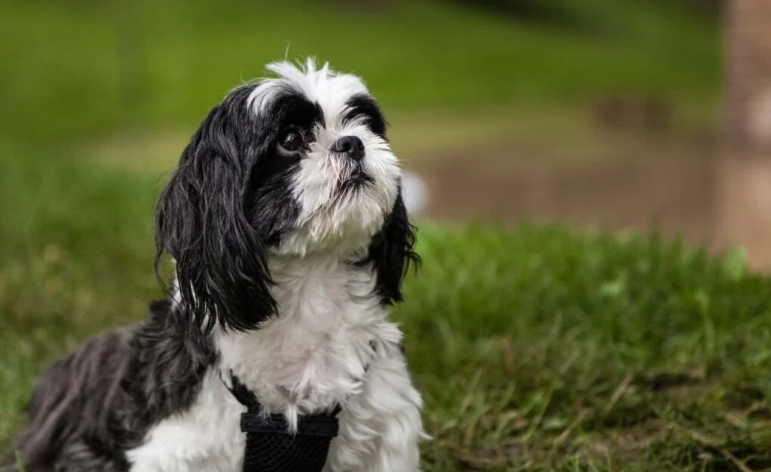
Exposing Shih Tzus to new people, places, and animals early helps prevent fear and aggression. Positive experiences outside the home make them more confident and well-adjusted as adults.
3. Crate Training
A crate provides safety and structure for Shih Tzus. When introduced positively, it becomes a comfortable space that supports house training and makes travel easier.
4. House Training

Consistency and patience are key to teaching bathroom habits. Taking the dog outside often, rewarding success, and avoiding punishment helps the process go smoothly.
5. Leash Training

Though small, Shih Tzus can resist leash walking. Starting gradually indoors and rewarding calm walking builds good habits for pleasant outdoor strolls.
6. Teach Boundaries and Limits
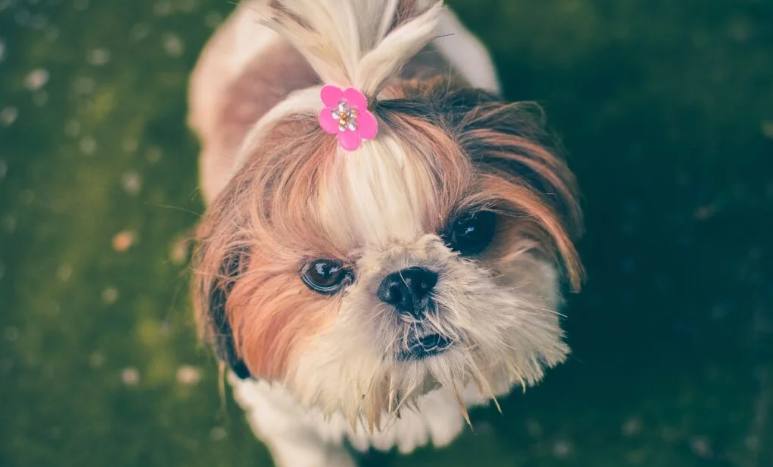
Shih Tzus need clear rules about where they can go and what they can do. Using consistent commands and reinforcement helps them learn household boundaries.
7. Address Behavioral Issues Early
Behaviors like barking or chewing should be corrected right away. Understanding the cause, offering alternatives, and consistent redirection prevent bad habits from developing.
8. Mental Stimulation

These dogs need mental engagement as much as exercise. Games, puzzles, and training activities keep them entertained and reduce mischievous behavior.
9. Grooming and Handling Training
Shih Tzus require regular grooming, so introducing brushing, nail trimming, and ear cleaning early helps them get comfortable. Making it positive prevents stress and keeps them healthy.
10. Love and Affection
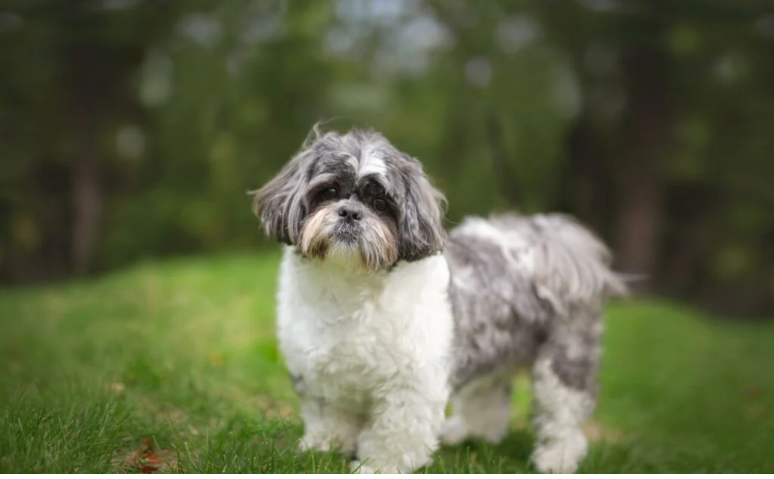
Beyond discipline, Shih Tzus thrive on attention and closeness. Affection, play, and daily bonding strengthen trust and make training more effective.
FAQs on Foods That Rottweilers Should Avoid
Conclusion of Training Tips for Shih Tzu Owners
Training a Shih Tzu takes patience, consistency, and positive reinforcement. By starting early, setting boundaries, and balancing discipline with affection, owners can raise a well-behaved and happy companion.
Check Also
How To Train An Alaskan Malamute | Dog Things Only