
How to Train an American Pit Bull Terrier: The (Fun & Challenging) Guide
Crate training a Pit Bull can feel a little overwhelming at first, especially if you’ve never done it before. But with the right approach, it turns into one of the best tools for building structure, safety, and comfort for your dog.
A crate isn’t about confinement—it’s about giving your Pit Bull a place they can call their own, where they feel secure and relaxed. While the process takes patience, the long-term benefits for both you and your pup are absolutely worth it.
Why Training Your Pit Bull Is Non-Negotiable
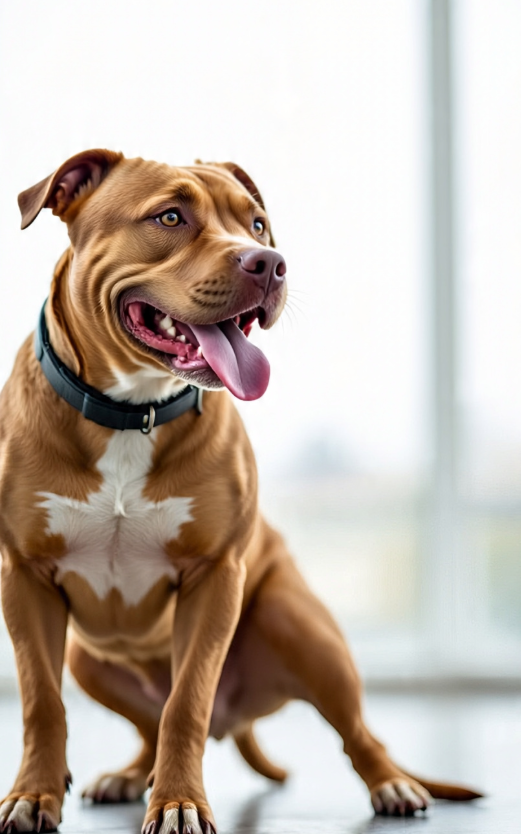
Training is essential for Pit Bulls. Without it, they can become difficult to manage and may reinforce the breed’s unfair reputation. Proper training curbs bad habits, keeps their energy in check, and builds a strong bond between dog and owner. A disciplined Pit Bull is both happier and safer.
Start Early, but Don’t Panic If You Didn’t
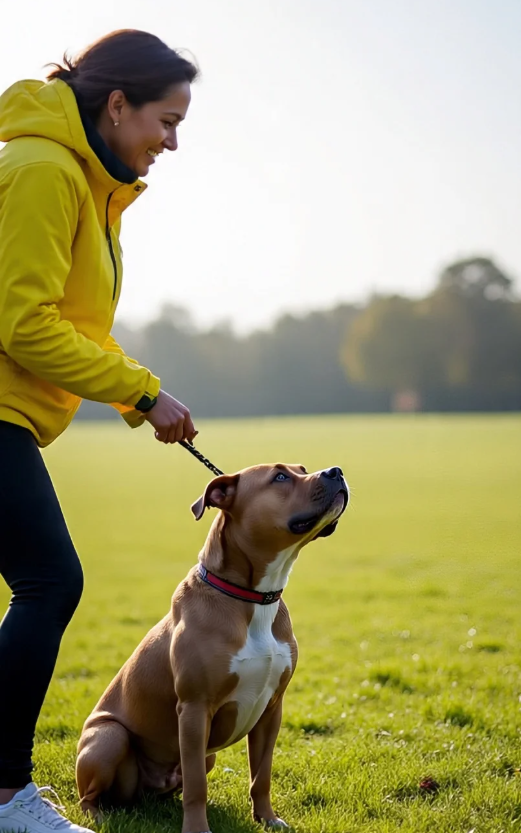
It’s easiest to train them when young because they quickly absorb new lessons. Still, older Pit Bulls are also capable of learning — they just need more patience and consistency, along with extra motivation like treats.
The First Few Commands to Nail
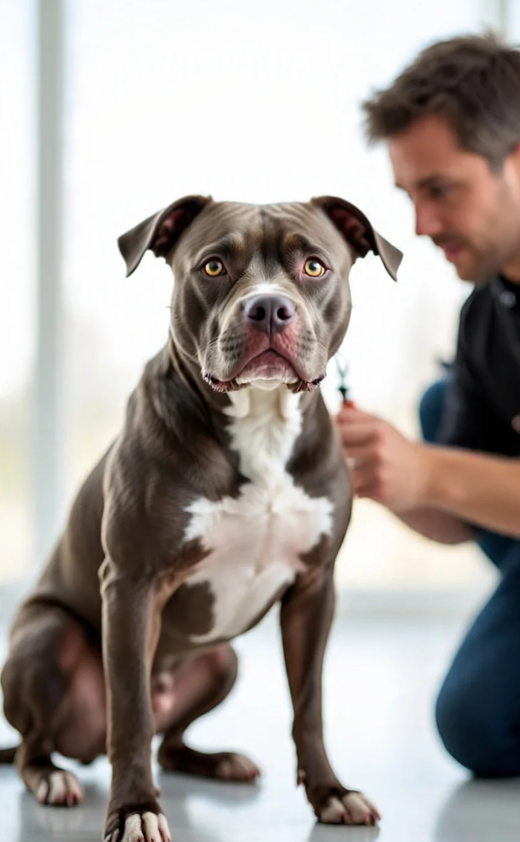
Begin with basic commands such as sit, stay, come, and leave it. These are essential for everyday safety and good behavior. Training sessions should be short to match their focus span, keeping them engaged without frustration.
Positive Reinforcement — Because Bribery Works
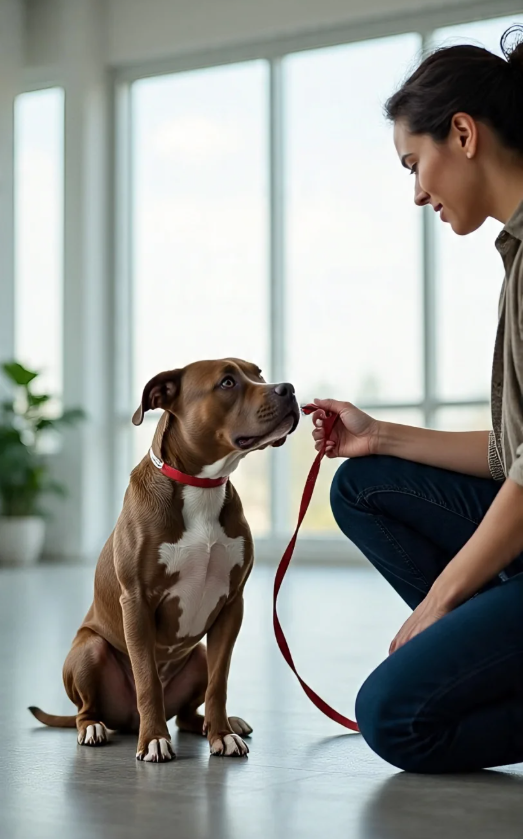
Pit Bulls respond best to rewards. High-value treats and enthusiastic praise motivate them to repeat good behavior. Consistency matters most, and punishment should be avoided since it creates fear rather than understanding.
Socialization — Don’t Skip This Step
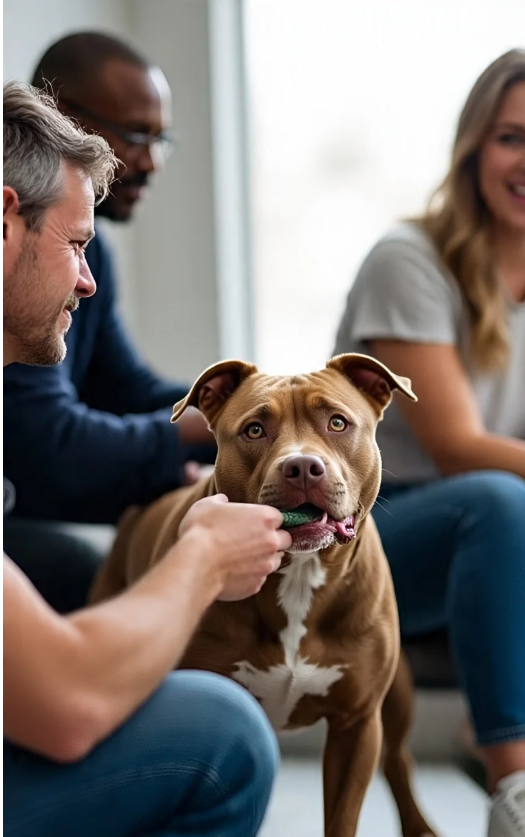
Exposure to different people, pets, and environments helps Pit Bulls grow into friendly and confident dogs. Walks, training classes, and supervised play at dog parks all provide healthy social opportunities. Careful monitoring is important during interactions.
The Stubbornness Factor — What to Do When They Act Like a Drama Queen
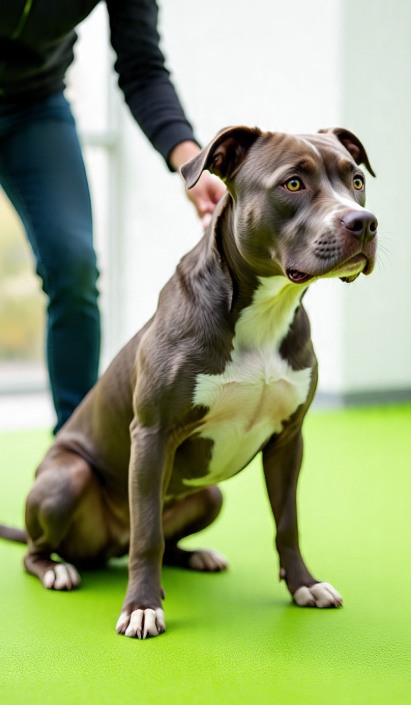
Pit Bulls sometimes ignore commands out of stubbornness. Staying calm, keeping their attention with toys or enthusiasm, and remaining firm ensures they don’t learn to take advantage. Consistency eventually wins over their resistance.
Exercise and Mental Stimulation — Burn Off That Energy
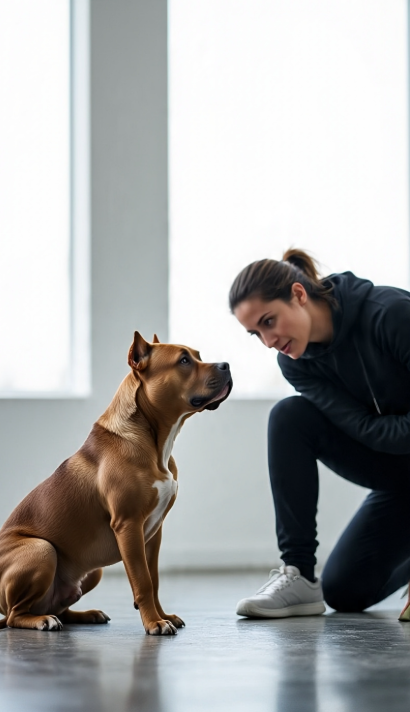
This breed requires regular physical activity and mental challenges. Daily walks, fetch, agility, and puzzle toys prevent destructive habits. Without enough stimulation, their high energy can turn into unwanted behavior like chewing.
Crate Training — Don’t Worry, It’s Not Cruel
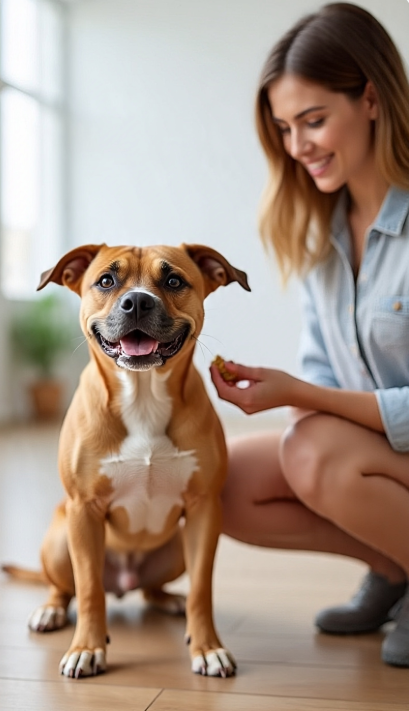
Used correctly, a crate offers Pit Bulls a secure and calming place of their own. It helps with house training, prevents destructive behavior, and gives them a cozy place to rest. The crate should be comfortable, never used for punishment, and introduced gradually.
Dealing with Common Pit Bull Training Challenges
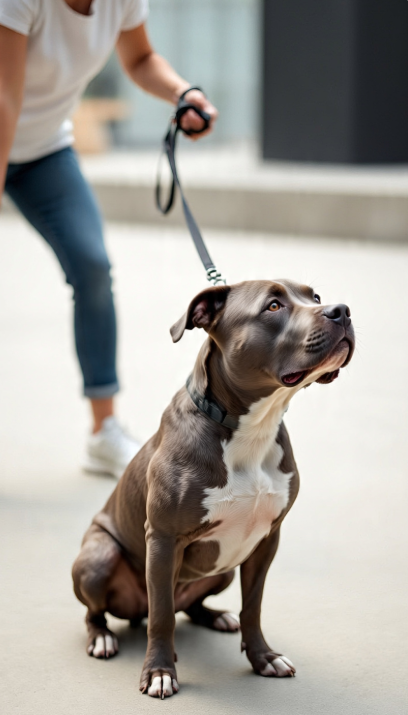
Pit Bulls often chew, jump, or pull on the leash. Providing proper chew toys, ignoring them when they jump, and stopping walks when they pull are effective ways to correct these habits. Consistency is key to breaking these patterns.
Conclusion of Train an American Pit Bull
Training a Pit Bull takes time, effort, and understanding. With positive reinforcement, patience, and consistency, they grow into loyal, affectionate companions. There may be hurdles along the way, yet the outcome is more than rewarding.
Check Also
How To Train An Alaskan Malamute | Dog Things Only