
Dog Room Cleaning Routine 2026: Easy Cleaning Schedule for Dog Owners
Written By:

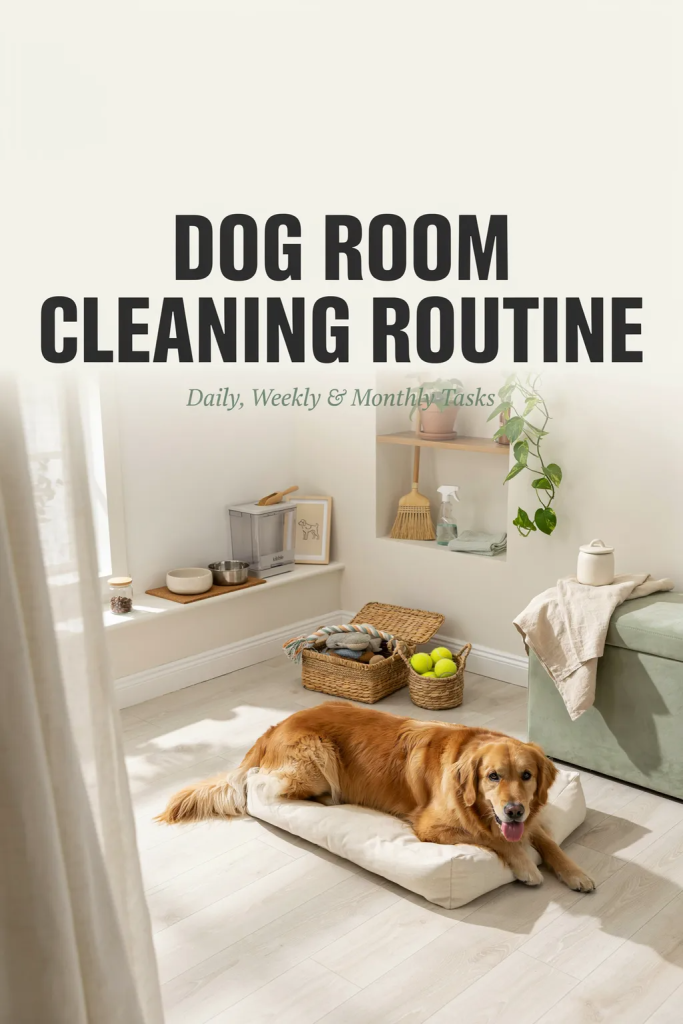
Keeping a dog room clean sounds simple until you realize how quickly fur, odors, muddy paw prints, and toy clutter can take over. I’ve learned that waiting until the room looks dirty only creates more work later. The secret isn’t spending hours scrubbing every weekend—it’s following a simple routine that breaks cleaning into manageable daily, weekly, and monthly tasks.
After trying different approaches over the years, I found that consistency beats deep cleaning marathons every time. A few minutes each day can prevent odors, reduce allergens, and create a healthier environment for your dog. Whether you have a dedicated dog room, a dog corner, or an indoor pet space, this routine can help keep everything clean without feeling overwhelming.
Quick Summary & Key Takeaways
- Daily cleaning prevents hair, odors, and dirt from building up.
- Weekly tasks keep bedding, toys, and floors hygienic.
- Monthly deep cleaning tackles hidden grime and stubborn smells.
- Pet-safe cleaning products are always the safest choice.
- Regular grooming reduces the amount of cleaning needed.
- Air circulation and proper storage help maintain freshness.
- Small daily habits save hours of cleaning later.
Why a Dog Room Cleaning Routine Matters
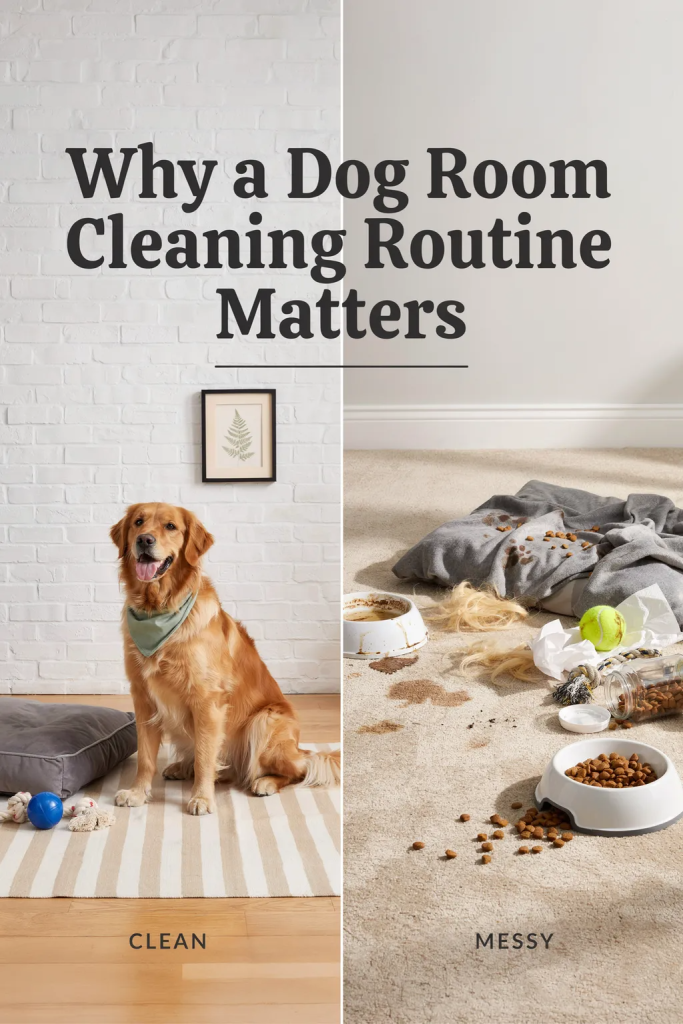
A dog room is more than just a place where your pup sleeps. It often becomes the center of eating, playing, resting, and sometimes even grooming. That means dirt, hair, bacteria, and odors can accumulate faster than many owners expect.
A structured cleaning routine helps improve indoor air quality, reduces allergens, and creates a more comfortable environment for both you and your dog. According to veterinary experts, clean bedding and food areas can also help reduce exposure to bacteria and parasites that may affect pets.
I’ve noticed that when my dog’s space stays clean, the entire house feels cleaner too. There’s less odor drifting into other rooms, and guests are often surprised that I own a dog at all.
Daily Dog Room Cleaning Routine (Your 5-Minute Lifesavers)
Daily maintenance is what keeps everything under control. These small tasks take only a few minutes but make a huge difference.
1. Quick Floor Sweep
Dog hair seems to appear out of nowhere. Even short-haired breeds leave behind fur, dirt, and debris.
I spend a couple of minutes vacuuming or sweeping the floor each day. This prevents fur tumbleweeds from gathering in corners and keeps allergens from spreading throughout the house.
Pro Tip: Focus on corners, under beds, and around crates where hair tends to collect.
2. Wipe Down Surfaces
Crates, shelves, feeding stations, and nearby furniture can collect drool, dust, and paw marks surprisingly fast.
A quick wipe with a microfiber cloth helps remove dirt before it becomes harder to clean later.
3. Change Water & Rinse Bowls
Fresh water should be available at all times, but the bowl itself also needs attention.
I rinse food and water bowls daily to prevent slime buildup and reduce bacteria growth. It only takes a minute but helps maintain better hygiene.
4. Remove Trash
Empty treat wrappers, shed fur, used training pads, and other small items can create odors if left behind.
A quick daily check keeps clutter from becoming a bigger problem.
5. Do a Quick Sniff Test
This may sound funny, but it works.
I walk into the room and simply pay attention to the smell. Unusual odors often reveal hidden issues like damp bedding, forgotten treats, or accidents that need immediate attention.
Weekly Dog Room Tasks (Your Deep-Fresh Reset)
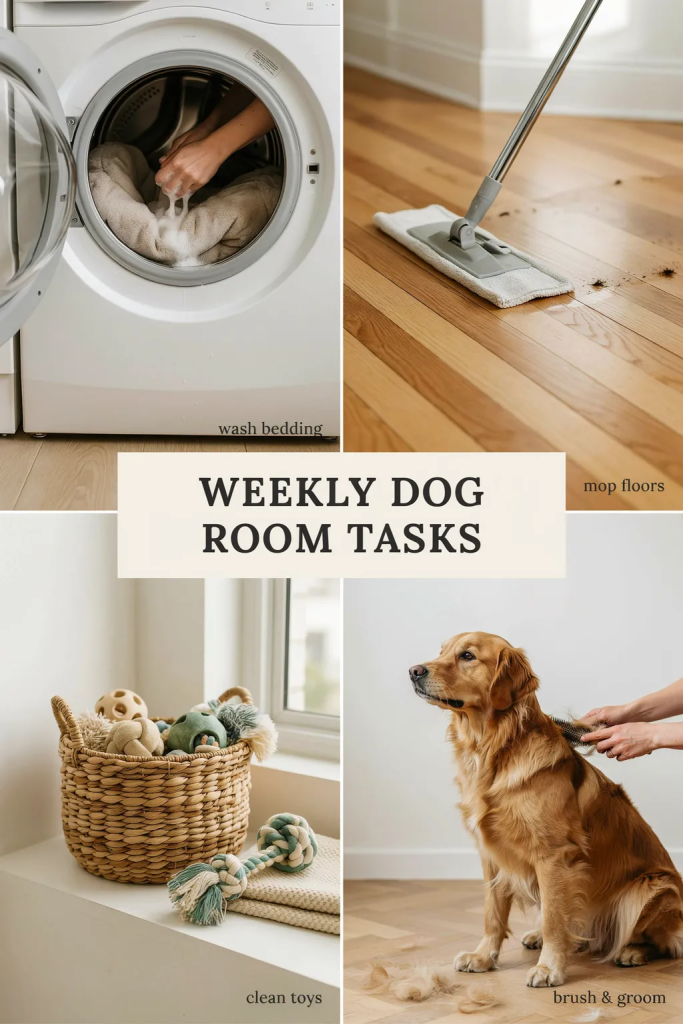
Weekly cleaning goes beyond maintenance and helps restore freshness throughout the space.
1. Wash Bedding
Dog beds collect hair, dirt, oils, and odors every day.
I wash bedding once a week using a mild detergent. If the cover is removable, I wash both the cover and any washable inserts according to the manufacturer’s instructions.
Common Mistake: Waiting until bedding smells bad before washing it.
2. Mop the Floors
Sweeping removes debris, but mopping removes the dirt and residue left behind.
I use warm water and a pet-safe floor cleaner to eliminate paw prints and everyday grime.
3. Clean Toys
Dog toys often spend hours in mouths, on floors, and outdoors.
Soft toys can usually be machine washed, while rubber and hard toys can be cleaned with warm water and pet-safe soap.
Rotating and cleaning toys weekly helps reduce bacteria buildup.
4. Wash Food & Water Bowls Properly
A quick rinse isn’t enough forever.
Once a week, I give bowls a thorough cleaning with hot water and a dedicated scrub brush. Stainless steel bowls are especially easy to sanitize.
5. Brush Out the Dog in the Room
One of the easiest ways to reduce cleaning is preventing loose fur from spreading.
Regular brushing removes dead hair before it lands on floors, furniture, and bedding.
For heavy-shedding breeds, this single habit can dramatically cut cleaning time.
6. Refresh the Room With Fabric Spray
Pet-safe fabric refreshers can help eliminate lingering odors from curtains, cushions, and blankets.
I use them sparingly and focus more on washing fabrics regularly rather than masking odors.
Monthly Dog Room Tasks (Your Full Reset & Deep Clean)
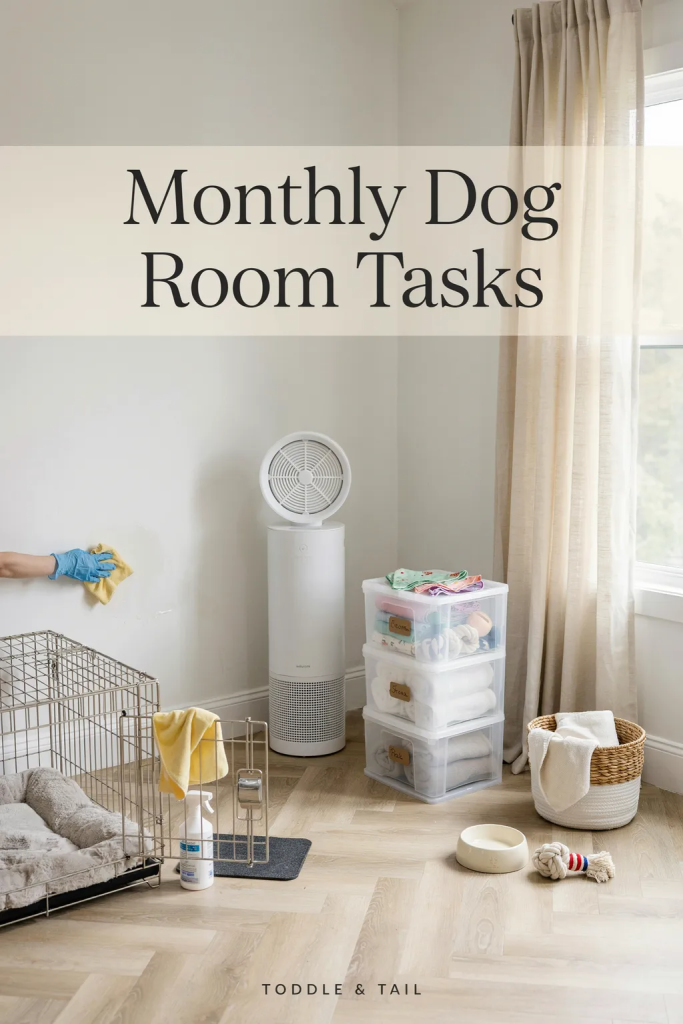
Monthly cleaning targets areas that don’t require attention every week but still impact cleanliness.
1. Deep Clean Crates
Crates often trap hair, dust, and odors.
I remove bedding, clean the tray thoroughly, and wipe down all surfaces. This helps prevent odor buildup and keeps the crate comfortable.
2. Wash Curtains or Blinds
Window coverings collect dust, pet dander, and airborne particles over time.
Cleaning them monthly helps improve air quality and reduces allergens.
3. Clean Baseboards
Baseboards are easy to ignore but tend to collect surprising amounts of fur and dust.
A damp microfiber cloth usually removes buildup quickly.
4. Organize Storage
Treat containers, toy bins, grooming supplies, and dog accessories can become cluttered over time.
I take a few minutes each month to remove broken toys, expired treats, and unused items.
5. Change Air Filters
If the room uses an air purifier or is connected to a central HVAC system, filter maintenance is essential.
Clean filters help control odors and improve airflow throughout the room.
6. Wash Walls If Needed
Many dogs rub against walls without owners noticing.
Wiping lower wall areas removes dirt, oils, and fur that gradually accumulate throughout the month.
Must-Have Cleaning Supplies for Dog Owners
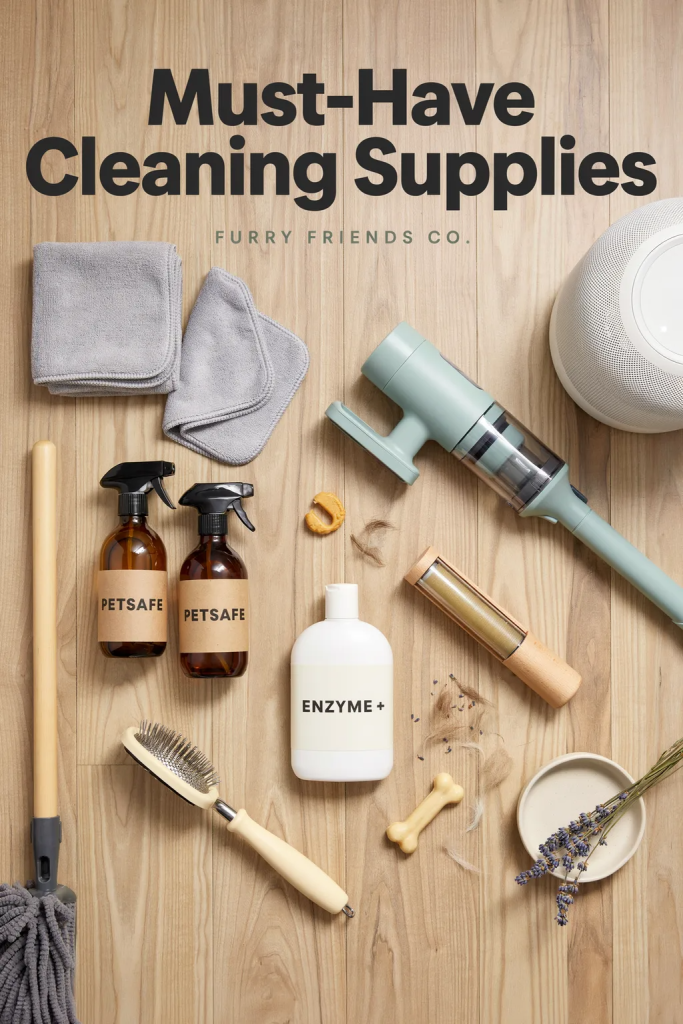
You don’t need expensive equipment to maintain a clean dog room.
These are the essentials I use most often:
- Pet-safe all-purpose cleaner
- Microfiber cloths
- Vacuum or stick vacuum
- Mop and bucket
- Baking soda
- White vinegar
- Enzyme cleaner for accidents
- Lint roller
- Grooming brush
- Air purifier
The goal is to have reliable tools that make cleaning easier rather than collecting dozens of specialty products.
How to Keep the Dog Room Smelling Fresh 24/7
Even clean dog rooms can develop odors if airflow and fabrics aren’t managed properly.
1. Use Baking Soda on Soft Surfaces
A light sprinkle on rugs or bedding before vacuuming can help absorb unwanted smells.
2. Use an Air Purifier
This is one of the biggest improvements I’ve made.
Air purifiers help reduce pet dander, airborne hair, and lingering odors that regular cleaning can’t fully eliminate.
3. Rotate Bedding
Having extra bedding sets allows you to swap out dirty items immediately while washing another set.
4. Keep Windows Open When Possible
Fresh air naturally improves indoor air quality and helps prevent stale odors from settling into fabrics.
5. Clean Accidents Immediately
The longer accidents sit, the harder they become to remove completely.
Enzyme cleaners are especially effective because they break down odor-causing compounds rather than simply covering them up.
Common Dog Room Cleaning Mistakes (And How to Fix Them)
I’ve made plenty of mistakes over the years, and these are the ones I see most often.
Mistake #1: Using Strong Chemical Cleaners
Many household cleaners contain ingredients that may irritate dogs.
Fix: Choose pet-safe cleaning products whenever possible.
Mistake #2: Leaving Bedding Too Long
Dirty bedding is often the biggest source of pet-room odors.
Fix: Stick to a weekly washing schedule.
Mistake #3: Ignoring Corners & Baseboards
Hair always finds hidden places.
Fix: Include overlooked areas during weekly cleaning.
Mistake #4: Only Cleaning When You Notice Odors
By the time odors appear, buildup has already occurred.
Fix: Follow a routine instead of waiting for signs of dirt.
Mistake #5: Forgetting to Clean Toys
Toys receive constant use and deserve regular sanitation.
Fix: Add toy cleaning to your weekly checklist.
My Personal Dog Room Routine (That Actually Saves Time)
Here’s the simple schedule I follow:
Daily (5 Minutes)
- Quick vacuum
- Wipe surfaces
- Fresh water
- Remove trash
- Sniff test
Weekly (20–30 Minutes)
- Wash bedding
- Mop floors
- Clean toys
- Sanitize bowls
- Brush dog
- Refresh fabrics
Monthly (45 Minutes)
- Deep clean crate
- Wash curtains
- Clean baseboards
- Wipe walls
- Replace filters
- Organize storage
Following this schedule keeps the room manageable without turning cleaning into a major project.
Final Thoughts: A Fresh Dog Room Makes Life Easier
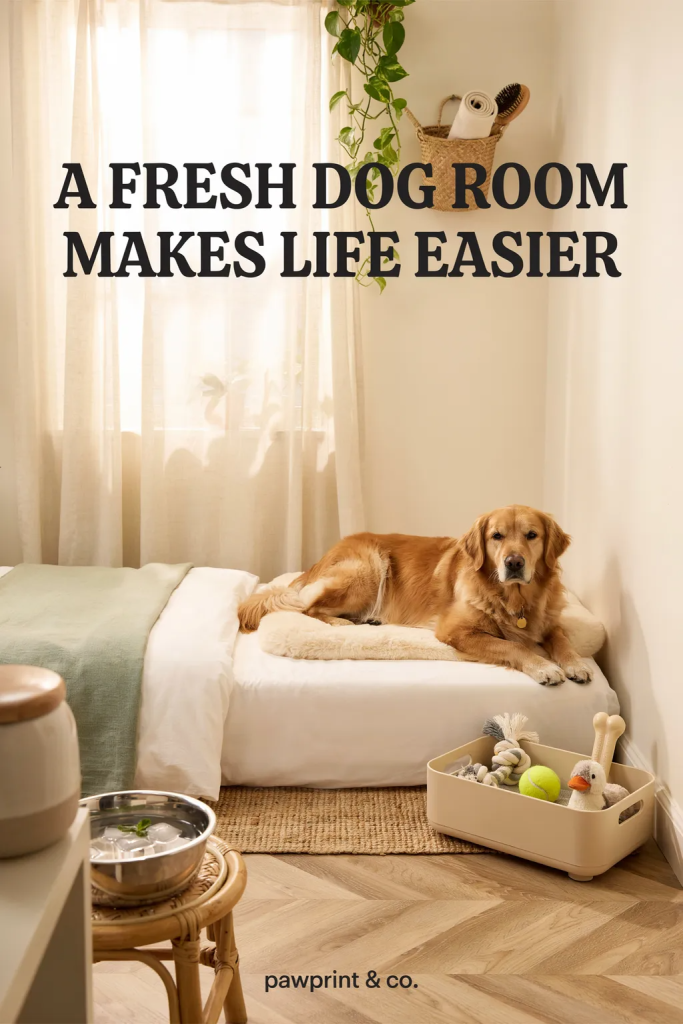
A clean dog room doesn’t happen because of occasional deep cleaning sessions. It happens through small, consistent habits that prevent messes from getting out of control.
When you divide tasks into daily, weekly, and monthly routines, cleaning becomes easier, faster, and far less stressful. Your dog benefits from a healthier environment, and you get a fresher-smelling, more organized space.
Start with a few daily habits this week, build from there, and you’ll likely notice a difference much sooner than expected. The best cleaning routine is the one you can actually stick to.


