

How to Train a 6-Month-Old Dog: 7 Essential Tips
Your dog has reached six months, the exciting stage where they’re no longer a tiny puppy but not quite an adult either. This age is full of curiosity, energy, and sometimes stubbornness. They’re still adorable, but you might notice chewing, nipping, or pulling on walks. The good news is that this is the perfect time to train them effectively. At six months, dogs are old enough to understand rules but young enough that habits are still flexible. With consistency, positive reinforcement, and a little patience, you can guide your pup into becoming a confident, well-behaved companion.
Key Takeaways for Training Your 6-Month-Old Dog
- Consistency helps your dog understand what’s expected
- Positive reinforcement teaches them faster and builds trust
- Patience is essential because learning takes time and repetition
Be Consistent—Seriously, It’s Non-Negotiable

Dogs thrive on structure. At six months, your pup can recognize patterns and notice inconsistencies. If rules change from day to day, your dog will be confused. For example, allowing them on the couch one day and scolding them the next makes them question the rules. Consistency means everyone in your household follows the same guidelines.
- If furniture is off-limits, everyone enforces it
- If crate training, stick to the schedule and rules
- Don’t give in to begging or puppy eyes—they learn which rules can be bent
Without structure, dogs will invent their own, which usually involves chewing shoes, tipping over trash, or general mischief.
Positive Reinforcement—Bribery Actually Works

Rewarding good behavior is the most effective way to teach a six-month-old dog. Positive reinforcement tells them, “Do this, and good things happen.” Rewards can include treats, toys, praise, or affection.
- Use high-value treats, like small pieces of chicken, cheese, or special dog treats
- Combine treats with praise: a cheerful “Good dog!” and a belly rub can be as motivating as a treat
- Avoid punishment—it confuses dogs and slows learning. Focus on rewarding the behaviors you want repeated
Leash Training—No More Being Dragged Around

As dogs grow stronger, walks can become a workout if they pull. Leash training is essential to make walks enjoyable for both of you.
- Use a comfortable harness to protect their neck
- Stop walking when your dog pulls. Wait until they calm down or return to your side
- Reward them when they walk nicely and repeat consistently
With patience and repetition, your dog learns that pulling doesn’t get them anywhere, making walks fun instead of stressful.
Socialization—Because Your Dog Shouldn’t Be a Loner
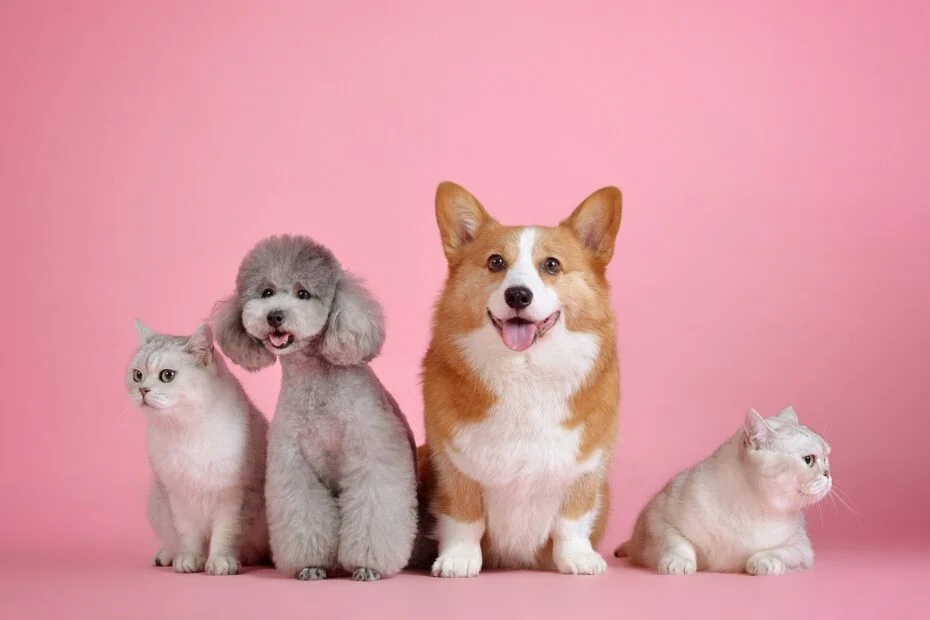
Even past the fearful puppy phase, socialization is important at six months. Dogs need exposure to people, other dogs, and new environments to prevent anxiety and reactive behavior later.
- Take your pup to dog-friendly parks
- Introduce them to new humans and furry friends
- Explore pet-friendly stores or different outdoor locations
Make new experiences positive by bringing treats and celebrating interactions. Positive associations build confidence and help your dog remain calm in new situations.
Crate Training—It’s Not a Jail Cell
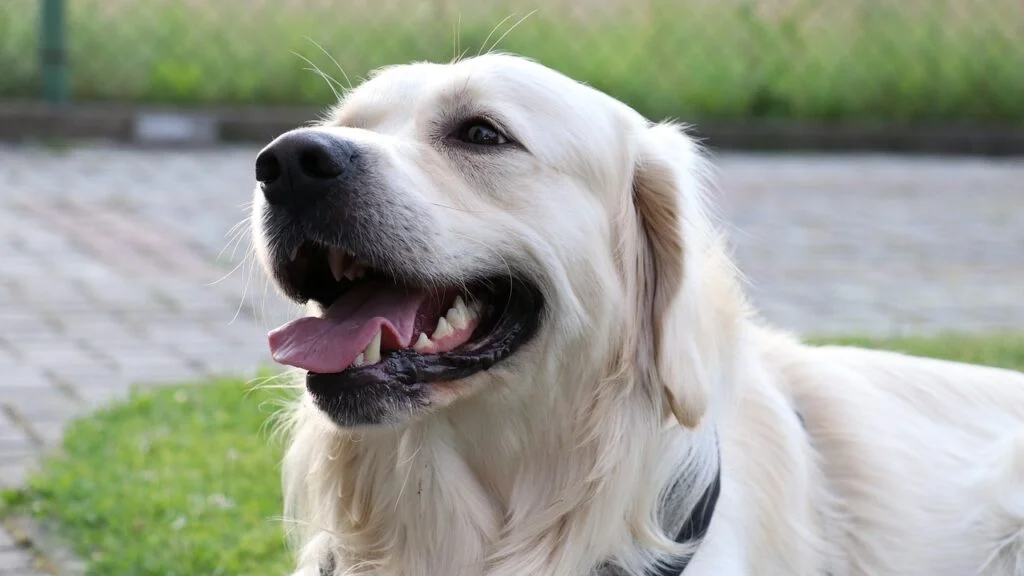
Crates provide dogs with a safe, comfortable space to rest and relax. When used correctly, they help with house training and prevent destructive behavior when unsupervised.
- Never use the crate as punishment
- Leave the door open initially and let your dog explore at their own pace
- Gradually increase time spent inside while rewarding calm behavior
Over time, your dog will see the crate as a cozy retreat for naps and quiet time rather than a confinement zone.
Address Bad Habits Early

By six months, unwanted behaviors may have started, such as nipping, chewing, or barking. Tackling them now prevents them from becoming long-term problems.
- Nipping: Redirect to toys; pause play if biting is too hard
- Chewing: Provide appropriate chew toys and redirect away from furniture or shoes
- Barking: Teach a “quiet” command and reward silence
Consistent correction combined with positive reinforcement builds good habits while maintaining trust and calm behavior.
Keep Training Sessions Short and Fun

Six-month-old dogs have limited attention spans. Short, frequent, engaging sessions work better than long, exhausting ones.
- Practice commands like “sit” for 5 minutes before meals
- Work on leash skills during a 10-minute walk
- Teach a fun trick like “shake” after dinner
This approach keeps training enjoyable, prevents boredom, and encourages learning without stress.
FAQs About Training a 6-Month-Old Dog
Is it too late to start training?
No, six months is perfect. They’re old enough to focus and young enough to learn quickly.
How long should sessions be?
Around 10–15 minutes is ideal. Multiple short sessions daily work better than one long session.
What if my dog won’t listen?
Be patient. Distractions, boredom, or tiredness can affect focus. Try shorter sessions or higher-value treats.
How much exercise is needed?
They need both mental and physical activity. A couple of daily walks combined with play and training keeps them happy and well-behaved.
Final Thoughts of How to Train a 6-Month-Old Dog
Training a six-month-old dog can feel like managing a little, energetic toddler with sharp teeth. It’s challenging at times, but consistency, positive reinforcement, and patience work wonders. Stay calm, celebrate small successes, and remember that dogs feed off your energy. Over time, your pup will develop into a confident, obedient, and happy companion, making daily routines easier and walks enjoyable.