

What Happens If a Dog Eats Grapes? Symptoms, Risks & What to Do Fast
When I first learned about grapes and dogs, I honestly didn’t think it was a big deal. But after digging deeper, I realized how serious this is. Grapes are one of the most dangerous foods for dogs, and even a small amount can lead to kidney failure.
In this guide, I’ll walk you through exactly why grapes are harmful, what symptoms I always watch for, what I do in an emergency, and safer snack options I personally trust. If you’re a dog owner, this is something you really need to know.

Related Article: Can Dog eat oranges
Key Takeaways
- Even one grape can be toxic to dogs
- There is no safe amount—reactions are unpredictable
- Symptoms can start within hours and worsen quickly
- Kidney failure is the biggest risk
- Immediate vet care can save your dog’s life
- Always choose safe fruit alternatives instead
Why Are Grapes So Dangerous for Dogs?
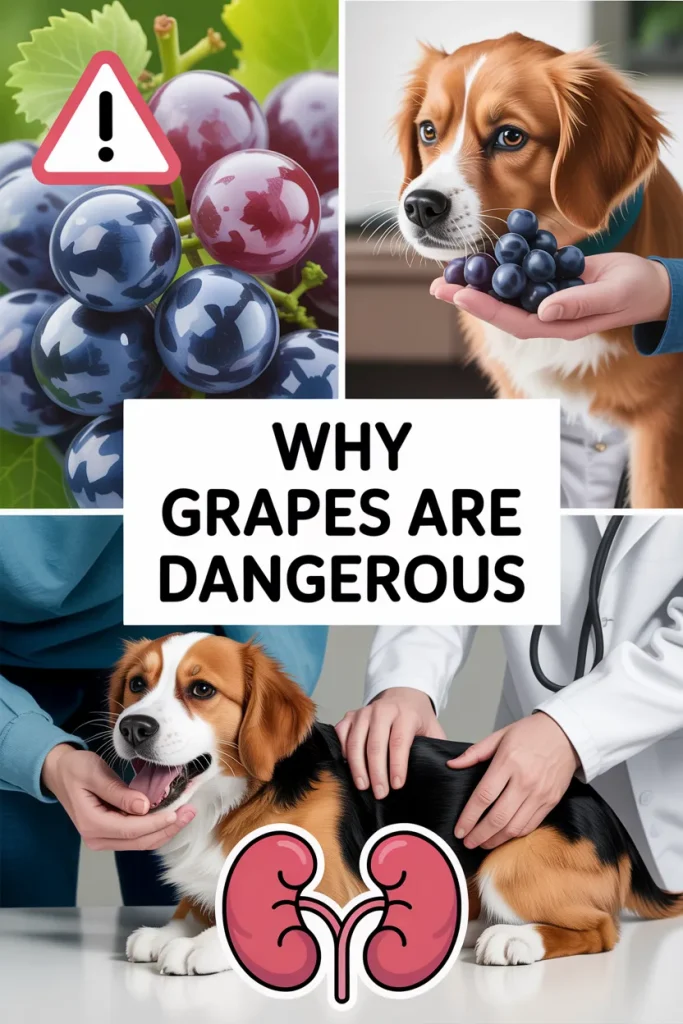
From what I’ve researched and experienced, the scary part is that experts still don’t know the exact toxin in grapes. Unlike chocolate, there’s no clear compound to blame.
What I do know is this: grapes and raisins can cause sudden kidney failure in dogs. Studies and vet reports show that toxicity varies widely. Some dogs react badly to just one grape, while others may not show symptoms right away.
That unpredictability is what makes grapes so dangerous. I never take chances with something that has no safe limit.
Pro Tip: I treat grapes like poison in my home. I store them out of reach and never leave them unattended, especially around curious pets.
What Happens If a Dog Eats a Grape?
I always tell dog owners to act fast because symptoms can appear quickly and get worse within a day.
Early Symptoms (First Few Hours)
When a dog eats grapes, the first signs I look for include:
- Vomiting
- Low energy or unusual tiredness
- Refusing food
These are early warning signs that something is wrong.
Serious Symptoms (24–48 Hours)
If things progress, symptoms become more serious:
- Diarrhea
- Weakness or shaking
- Dehydration
- Belly pain
- Little to no urination
In my experience, reduced urination is one of the biggest red flags because it points to kidney trouble.
Worst-Case Scenario
If treatment is delayed, kidney failure can happen within 48–72 hours. According to veterinary data, acute kidney failure has a high fatality rate if not treated early.
That’s why I never wait and see.
How Many Grapes Does It Take to Hurt a Dog?
This is the question I get asked the most. The honest answer is: no one knows.
Some reports suggest toxicity at doses as low as 0.3 ounces per pound of body weight, but I’ve seen cases where even less caused issues.
For me, the rule is simple:
Zero grapes, always.
There’s no benefit worth the risk.
What To Do If Your Dog Eats a Grape
I always follow a clear plan when something like this happens.
Step 1: Stay Calm but Act Fast
I don’t panic, but I also don’t wait. Time matters here.
Step 2: Call My Vet Immediately
Getting professional advice right away can make a huge difference.
Step 3: Induce Vomiting (Only If Advised)
Sometimes vets recommend 3% hydrogen peroxide, but I only do this under guidance. Doing it wrong can cause more harm.
Step 4: Visit the Vet
If my vet tells me to come in, I go immediately. Early treatment can prevent kidney damage.
Pro Tip: I keep my vet’s number saved and easily accessible. In emergencies, every minute counts.
Can Dogs Have Grape-Flavored Things?
This one can be confusing. Most grape-flavored snacks don’t contain real grapes, but I still stay cautious.
I always check ingredient labels carefully. If I’m unsure, I simply avoid giving it to my dog.
For me, it’s not worth the risk when there are safer options available.
Are Some Dogs Immune?
I’ve heard people say their dog ate grapes and was fine. That might be true—but it doesn’t mean it’s safe.
There’s no way to predict how any dog will react. No tests, no warning signs, nothing.
From everything I’ve learned, relying on luck is not a smart strategy when kidney failure is on the line.
Safe Alternatives (Because Your Dog Still Wants a Snack)
The good news is, I never feel like my dog is missing out. There are plenty of safe and healthy treats.
Here are my go-to options:
- Blueberries – small, easy to eat, and full of antioxidants
- Apples (no seeds) – crunchy and refreshing
- Bananas – soft and great in small amounts
- Watermelon (no seeds or rind) – hydrating and perfect for hot days
- Strawberries – naturally sweet and safe in moderation
I always introduce new foods slowly and in small portions.
Pro Tip: I use fruits as training treats. They’re healthier and keep my dog excited during training sessions.
Final Thoughts: Just Don’t Do It
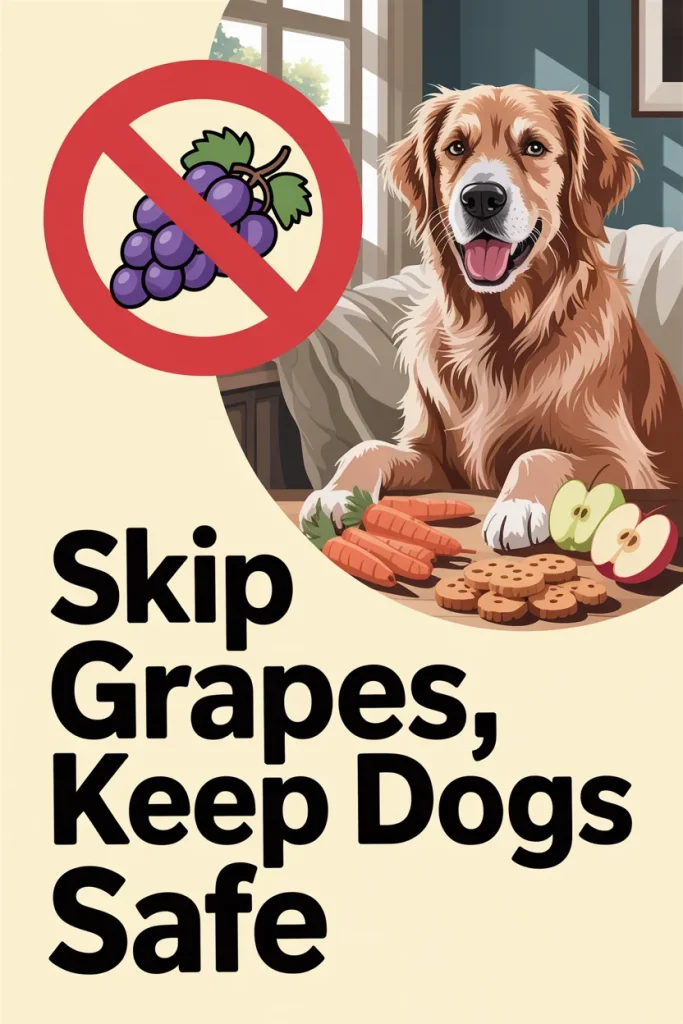
After everything I’ve learned, I keep it simple—grapes are completely off-limits in my home.
The risk is too high, and the consequences can be severe. I’d rather stick to safe snacks than deal with an emergency vet visit.
If you’re a dog owner, the best thing you can do is stay informed and prevent accidents before they happen.