How To Train A Boxer Dog
Boxers are fun, loving, and full of energy. If you’ve got one, you already know they can make you laugh with their silly behavior but also test your patience with their endless bounce. Training a Boxer isn’t always easy, but it’s an important part of helping them grow into a well-behaved and happy dog. With the right approach, you can enjoy all the good things about this breed while teaching them the basics they need.
Boxers: The Clowns of the Dog World (But Don’t Let That Fool You)

Boxers have a reputation for being the comedians of the dog world. Their goofy behavior, silly expressions, and endless playfulness make them a constant source of joy in any household.
But beneath the clownish exterior is a highly intelligent dog. They’re capable of picking up new commands and tricks quickly, provided you can capture and hold their attention. This mix of humor and brains is what makes training a Boxer both entertaining and challenging.
Setting the Ground Rules: Be the Boss, But Make It Fun
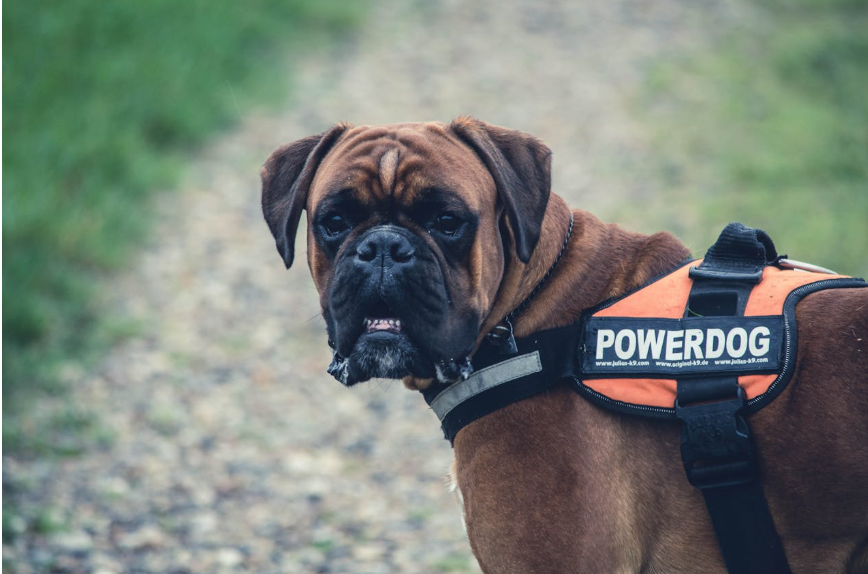
A Boxer thrives when clear boundaries are set from the beginning. These dogs are strong-willed and energetic, so they need to know who is in charge. At the same time, they won’t respond well to forceful or harsh training methods. The best results come from positive reinforcement—praise, treats, and encouragement when they get things right.
Training also needs variety because repeating the same drills leads to boredom. Keeping sessions fun, creative, and short ensures your Boxer stays interested and motivated to learn.
The Basics: Sit, Stay, and (Hopefully) Come

Every dog needs to master basic commands, and for Boxers, these can be lifesavers. Teaching “sit” is usually straightforward since it ties naturally to their movements and rewards. “Stay” is harder because of their excitement level, and “come” is often the most difficult, as curiosity can distract them from returning.
Success with these commands comes down to consistency, patience, and making training rewarding. By practicing often and celebrating progress, Boxers gradually learn to listen even when their energy is high.
Exercise: Burn Off That Energy!
A Boxer’s energy levels are unmatched. Without enough outlets for activity, they can become restless or destructive. Walks alone usually aren’t sufficient; they need a combination of running, play, and mental stimulation.
Games like fetch, tug-of-war, and agility drills help burn physical energy, while puzzle toys and training challenges keep their sharp minds busy. The goal is to tire both body and brain, creating a balanced, calmer dog at home. A tired Boxer dog is far easier to manage than one full of pent-up energy.
Socialization: Start Early and Be Consistent
Even though Boxers are naturally friendly, structured socialization helps them grow into well-adjusted adults. Introducing them to new people, other dogs, and different environments at an early age makes them more adaptable and confident.
Puppy classes provide a safe space for controlled interaction and basic training. Dog parks and public outings expose them to a wider variety of situations. The more experiences a young Boxer has, the less likely they’ll be fearful or reactive later in life. Socialization sets the stage for a dog that’s both playful and polite.
Patience and Persistence: Stick With It
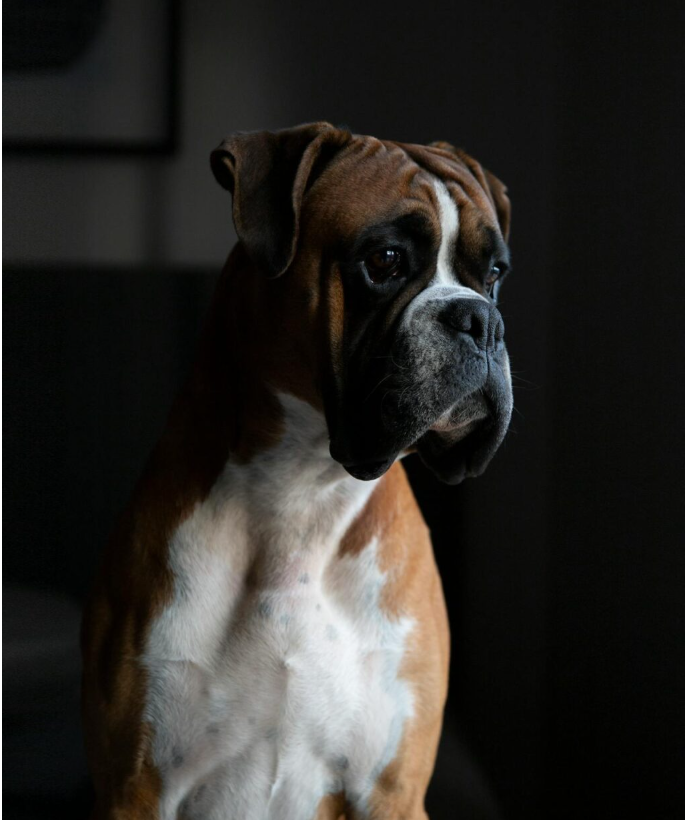
Training a Boxer isn’t something that happens overnight. Their intelligence means they can learn quickly, but their stubborn streak often gets in the way. Some days will feel like progress, while others may feel frustrating.
The key is to remain patient and consistent, reinforcing the same rules and routines daily. Boxers respond to positivity and encouragement, so keeping training sessions upbeat is crucial. Over time, the persistence pays off—not only in obedience but also in strengthening the bond between you and your dog.
Conclusion of Train A Boxer Dog
Raising and training a Boxer is both a challenge and a joy. These dogs bring boundless energy, loyalty, and affection into a home, and the work you put into training comes back tenfold in companionship.
While it takes effort to manage their enthusiasm and stubbornness, the reward is a well-behaved, loving dog who’s eager to share life’s adventures with you. More than just obedience, training a Boxer builds a lasting partnership filled with fun, trust, and plenty of laughter along the way.
Check Also
How to Train an American Pit Bull | Dog Things Only