
Omega-3 Delight Homemade Cat Treats for a Shiny Coat and Healthy Paws
If you’ve ever looked at your cat and wished their coat looked glossier, softer, and healthier, you’re not alone. We all love that silky, light-catching shine that makes them look like they just stepped out of a grooming salon. And honestly, sometimes we just want to spoil them with something that’s not only delicious but actually good for their body.
That’s exactly where omega-3-rich treats come in. When you start focusing on what goes inside your cat’s bowl, you quickly notice changes on the outside too. A better coat, fewer dry patches, more energy, smoother movement—it all connects. I’ve seen how small dietary upgrades can make a visible difference, and omega-3s are one of those upgrades that truly stand out.
The best part is you don’t need complicated steps or fancy kitchen skills. If you can mix a few ingredients in a bowl and turn on your oven, you can make these. Your cat doesn’t care about perfect shapes—they care about flavor and how it makes them feel.
Why Omega-3s Are Basically Cat Superfood
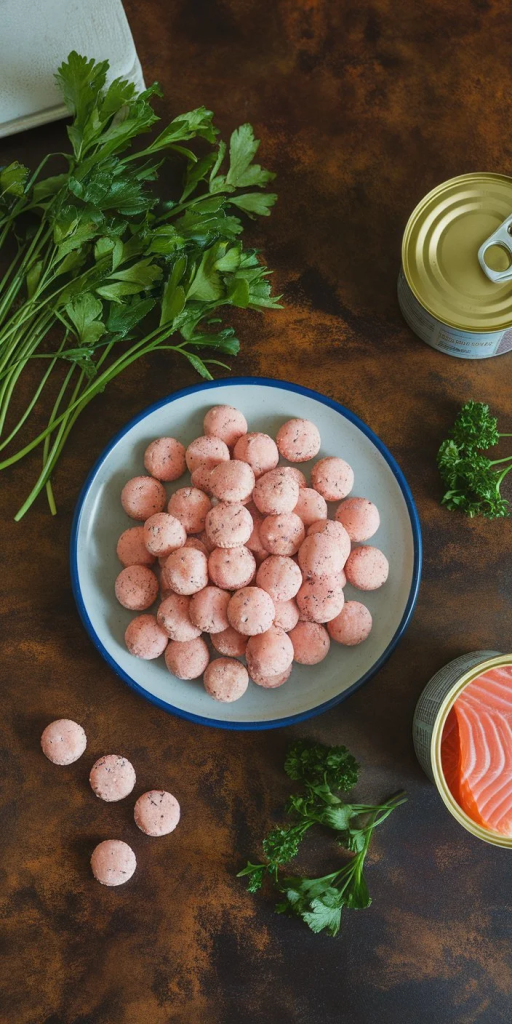
Omega-3 fatty acids are essential nutrients that your cat’s body cannot produce on its own in sufficient amounts. That means they must come from food. The richest natural sources are oily fish like salmon, sardines, tuna, and also plant-based options like flaxseed.
When you consistently include omega-3s in your cat’s diet, the first thing you’ll usually notice is the coat. It becomes softer, shinier, and less prone to dryness. If your cat struggles with flaky skin or mild irritation, omega-3s help support the skin barrier from within. Instead of just treating surface issues, you’re strengthening the foundation.
Joint support is another major benefit. As cats age—or even in certain breeds that are more prone to stiffness—you may notice hesitation when jumping or less playful movement. Omega-3s help reduce inflammation and support joint flexibility, which keeps them comfortable and active longer.
Then there’s heart and brain support. These fatty acids contribute to overall cardiovascular health and cognitive function. That means you’re not just improving how your cat looks—you’re supporting how they think, move, and live day to day. When you understand how powerful these nutrients are, it becomes clear why they deserve a regular place in your cat’s diet.
Ingredients for These Omega-3-Packed Treats
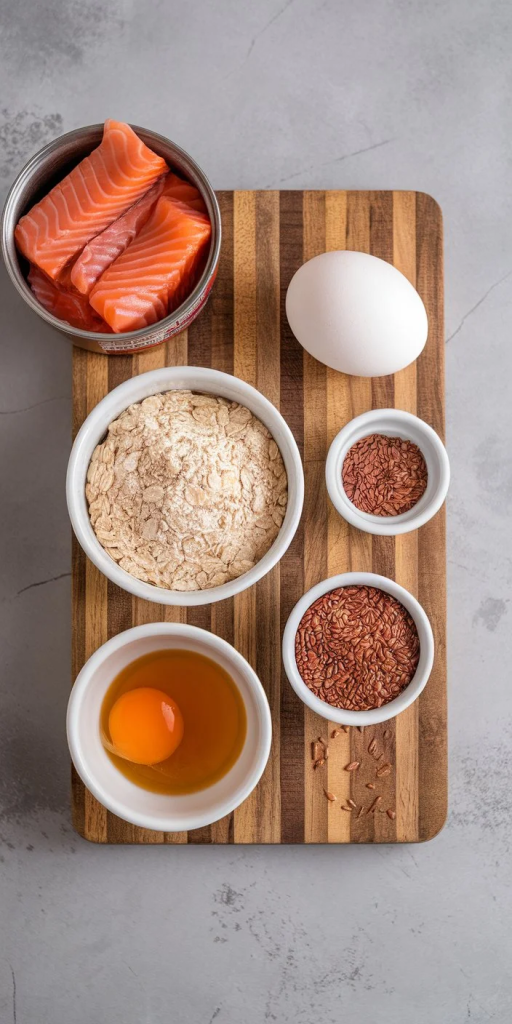
When you gather ingredients for homemade cat treats, simplicity is key. Every component should serve a purpose—nutrition, structure, or flavor.
Wild-caught salmon or tuna acts as the primary protein source and delivers a strong dose of omega-3 fatty acids. Fish is naturally appealing to most cats, which makes it a practical base.
Egg works as a binder. It holds everything together while adding high-quality protein and additional nutrients that support muscle and tissue health.
Oat flour or whole wheat flour gives structure to the treats. You don’t need much—just enough to create a workable dough that holds its shape during baking.
Ground flaxseed adds another layer of omega-3 support. Even a small spoonful boosts the nutritional profile significantly.
Fish oil or olive oil enhances texture and increases healthy fat content. If coat shine is your goal, this ingredient plays a major role.
Catnip is optional, but if your cat responds strongly to it, adding a small amount can make these treats irresistible.
You can also include parsley in tiny amounts for fresher breath or a pinch of turmeric for additional anti-inflammatory support. Each addition should be minimal and intentional.
Step-by-Step: How to Make These Irresistible Cat Treats
Step 1: Preheat the Oven
Set your oven to 350°F (175°C). Preparing your baking sheet with parchment paper ensures the treats won’t stick and makes cleanup easier.
Step 2: Mix the Ingredients
In a bowl, combine the drained fish, egg, flour, flaxseed, and oil. As you mix, you’re looking for a sticky but moldable dough. If it feels too dry, a small splash of water or extra oil will fix it. If it’s too wet, a tiny bit more flour balances it out. Texture matters because it determines how well the treats bake.
Step 3: Add Catnip (Optional)
If you’re using catnip, stir it in evenly. Not every cat reacts the same way, but for many, it increases excitement and interest. It’s a simple way to make the treats feel extra special.
Step 4: Shape the Treats
Scoop small portions and roll them into bite-sized balls. Flatten them gently so they cook evenly. Keep them small—these are treats, not meal replacements. Uniform size ensures consistent baking.
Step 5: Bake and Cool Properly
Bake for about 10–12 minutes until the treats are lightly firm and slightly golden. Once removed from the oven, allow them to cool completely. Cooling is crucial. Serving warm treats can cause burns and also affects texture.
Tasty Variations to Keep Your Cat Interested
Cats can get bored with repetition, so small changes keep things exciting.
You can replace salmon with sardines for a stronger aroma and even higher omega-3 levels. If your cat has mild grain sensitivities, almond flour in small quantities works as an alternative. Adding a spoon of pumpkin puree supports digestion and adds fiber. For extra indulgence, a tiny piece of cooked chicken on top turns these into a premium reward.
Each variation still supports the main goal: boosting omega-3 intake while keeping treats enjoyable.
Common Mistakes to Avoid
Using too much flour is one of the biggest errors. It makes treats dry and less appealing. The goal is soft and slightly firm—not crumbly.
Never add salt, garlic, onion powder, or heavy seasonings. Cats have different tolerance levels than humans, and certain spices can be harmful.
Do not skip cooling time. Even if your cat is impatient, hot treats can burn their mouth.
And finally, remember moderation. Even healthy treats should complement a balanced diet, not replace it. Two to three small treats per day are generally enough for most adult cats.
FAQs: Everything You Need to Know About Omega-3 Cat Treats

How often can I give these treats?
For most healthy adult cats, offering two or three small pieces daily as a reward is sufficient. If your cat has medical conditions or specific dietary needs, always consult your veterinarian.
How should I store them?
Store the treats in an airtight container in the refrigerator for up to one week. If you prepare a large batch, freezing them extends freshness up to one month. Just thaw before serving.
Can I use other types of fish?
Yes, mackerel or sardines work well. Just ensure they are packed in water or oil without added salt.
What if my cat dislikes fish?
You can substitute shredded, cooked chicken or turkey. To maintain omega-3 benefits, add a small measured amount of fish oil to the mixture.
Are these safe for kittens?
They can be offered in very small portions. Introduce gradually and observe for any digestive sensitivity.
Can I add taurine?
Taurine is essential for cats. If you choose to supplement, follow veterinary dosage guidelines carefully to avoid excess.
What about grain allergies?
If your cat is sensitive to grains, use almond or coconut flour in controlled amounts to create a grain-free version.
Final Thoughts of Omega-3 Delight Homemade Cat Treats
When you make these treats at home, you’re doing more than baking—you’re actively supporting your cat’s long-term health. Omega-3s strengthen skin, enhance coat shine, support joints, and contribute to heart and brain function. You’re giving them something that tastes good and works from the inside out.
Small nutritional decisions add up over time. And when you start noticing smoother fur, better movement, and that content, relaxed purr after treat time, you’ll know the effort was worth it.