
How Long Will a Cat Remember You? What I Learned After Leaving Mine for Months
Written By:

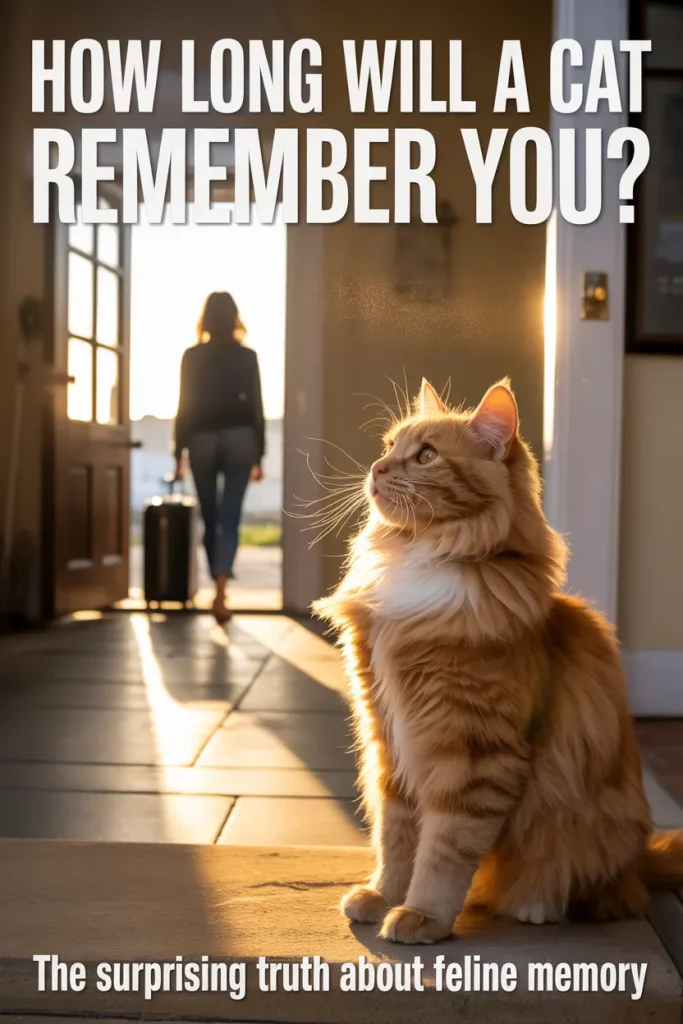
Leaving my cat for the first time was harder than I expected. I kept wondering if he’d forget me while I was gone or treat me like a stranger when I came back. The funny thing is, cat owners ask this question all the time because cats can be so hard to read emotionally.
But after years of living with cats, talking with vets, and seeing countless reunion stories from other cat parents, I’ve learned something comforting: cats remember much more than people think.
They may not jump into your arms like a dog, but they absolutely remember the people who make them feel safe, fed, and loved.
Quick Summary & Key Takeaways
Do Cats Really Remember Their Owners?
Yes, they do.
I used to think my cat only cared about food until I came home after a three-week trip and found him sleeping on my sweater pile. That changed my perspective completely.
Cats form strong associations with the people they trust. They remember who feeds them, who comforts them during stressful moments, and who spends time playing or relaxing with them.
Unlike dogs, cats often show attachment quietly. You might notice:
Animal behavior experts believe cats create emotional memories tied to safety and routine. Those memories can stay with them for a very long time.
The Science Behind Cat Memory
A cat’s memory works differently from ours, but it’s surprisingly powerful.
Cats rely heavily on associative memory. Instead of remembering events the way humans do, they connect experiences with smells, sounds, emotions, and routines.
That’s why your cat can instantly recognize:
Scent plays the biggest role. Cats have scent glands around their cheeks, paws, and forehead. When they rub against you, they’re doing more than showing affection. They’re marking you as familiar and safe.
I noticed this after returning from vacation once. Before even looking at me, my cat sniffed my suitcase and immediately relaxed. That familiar scent seemed to reassure him faster than anything else.
Studies on feline cognition also suggest cats can retain meaningful memories for years, especially when those memories are connected to emotional experiences.
So… How Long Will a Cat Remember You?

In many cases, cats remember their owners for years.
The length of memory depends on several things:
Strength of the bond
Cats remember people they strongly trust or depend on much longer than casual visitors.
Frequency of interaction
Daily routines strengthen memory pathways. A cat you lived with for years is unlikely to forget you quickly.
Emotional experiences
Positive interactions create stronger memories than neutral ones.
Environment
Indoor cats often develop deeper human attachment because they depend more on their owners socially and emotionally.
I once fostered a shy rescue cat for four months. Nearly a year later, I visited the adoption family, and the cat came straight to me after hearing my voice. That moment honestly surprised me.
Cats may act independent, but meaningful relationships clearly stay with them.
Do Cats Miss Their Humans?

Absolutely, although they express it differently.
Some cats become clingy after you return home. Others act annoyed or ignore you for hours before suddenly curling up beside you later that night.
Both reactions can mean the same thing: they noticed your absence.
Common signs a cat missed you include:
Some cats even experience separation anxiety.
One mistake many owners make is assuming a distant reaction means the cat forgot them. In reality, cats are creatures of routine. Sudden changes can stress them out, and some need time to settle emotionally.
Do Cats Remember Their Home After Being Away?

Yes, cats usually remember familiar environments very well.
Cats build strong mental maps of places they consider safe. Even after months away, many cats recognize:
I moved apartments once and temporarily left my cat with family for several weeks. When he returned, he walked directly to his old scratching post within minutes. That alone showed me how detailed feline memory can be.
Cats use both scent and spatial memory to navigate familiar places. However, stressful moves or traumatic experiences can temporarily affect their confidence and behavior.
Pro Tip
If you’re moving or traveling for an extended period, keep your cat’s familiar bedding, toys, and blankets nearby. Familiar scents reduce anxiety significantly.
What If My Cat Acts Distant After I Return?

This is one of the most common concerns among cat owners.
Some cats react to reunions by acting completely uninterested at first. I’ve experienced this personally. One of my cats ignored me for nearly half a day after I returned from a long trip, then slept beside my head the entire night.
Cats process change differently from humans.
Your absence may have disrupted their routine, and they might need time to feel secure again.
Common temporary behaviors include:
The worst thing you can do is force interaction immediately.
Instead:
Most cats warm up again within hours or a few days.
Will My Cat Remember Me After a Year?
Many cats do.
Long-term memory in cats is strongest when emotional attachment exists. Cats who shared daily routines, affection, and trust with someone often recognize them even after very long separations.
There are countless real-life stories of cats recognizing former owners after years apart.
One shelter volunteer I spoke with told me about a surrendered cat who instantly reacted to its previous owner’s voice after nearly two years. The cat began purring loudly and pacing excitedly before even seeing them.
That kind of response doesn’t happen without memory.
Of course, every cat is different. Personality, age, and life experiences all affect memory strength.
When Memory Seems Lost: Troubleshooting

Sometimes owners panic because their cat seems unfamiliar or detached after separation.
Usually, the cat simply needs time.
Try these steps first:
Common mistakes to avoid
Many people immediately pick up or crowd their cat after returning home. For anxious cats, this can increase stress instead of rebuilding comfort.
When to call a vet
If your cat shows serious behavioral changes such as:
Then it’s worth discussing with a veterinarian. Senior cats can sometimes experience cognitive decline that affects recognition and memory.
How to Help Your Cat Remember You (Even When You’re Apart)

If you’ll be away for a while, several simple things genuinely help.
1. Leave scent-covered items behind
T-shirts, pillowcases, and blankets carrying your scent provide comfort and familiarity.
2. Keep routines consistent
Cats thrive on predictability. Ask caregivers to maintain regular feeding and play schedules.
3. Use familiar phrases
Cats often recognize repeated words and tone patterns.
4. Stay calm during reunions
Loud excitement can overwhelm sensitive cats. Quiet interaction works better.
5. Rebuild connection through play
Interactive toys help restore positive emotional associations quickly.
I’ve found wand toys work especially well after returning from trips because they create immediate engagement without forcing physical closeness.
Memory Across Different Life Stages

Kittens
Young kittens form strong emotional attachments early. Positive experiences during kittenhood often stay with them for life.
Adult Cats
Adult cats usually have the strongest memory performance and emotional stability.
Senior Cats
Older cats may process reunions more slowly, but they often still recognize beloved people through scent and voice.
Patience matters much more with senior cats.
Final Thoughts: Cats Remember Love
Cats may pretend to be independent, but they remember the people who make them feel safe and cared for.
Your scent, voice, routines, and daily interactions become part of their world. Even after long separations, many cats hold onto those emotional connections far longer than we expect.
I think that’s why reunions with cats feel so meaningful. They may not always show excitement immediately, but in their own quiet way, they remember.
And honestly, once you’ve earned a cat’s trust, that bond tends to stay with them for a very long time.
How Long Will a Cat Remember You? Frequently Asked Questions (FAQs)

Can cats remember someone they only see occasionally?
Yes, especially if those visits are positive and consistent. Cats can remember familiar scents and voices even after long gaps.
Do cats remember bad experiences with people?
Unfortunately, yes. Cats can retain fear-based memories for a long time, which is why gentle handling matters so much.
Will my cat forget me if I leave for college or travel abroad?
Most bonded cats remember their owners after months away, especially when they reconnect through familiar scents and routines afterward.
Do older cats have weaker memory?
Senior cats can experience mild cognitive decline, but many still recognize familiar humans through scent and voice.
Can another pet replace me in my cat’s memory?
No. Cats can form multiple bonds without erasing previous attachments.
Does my cat recognize my voice?
Yes. Many cats react strongly to familiar voices, especially when paired with comforting routines and emotional connection.