
5 Soft Cat Treats With Meat: Easy Homemade Recipes Cats Love (Vet-Friendly Guide)
Written By:

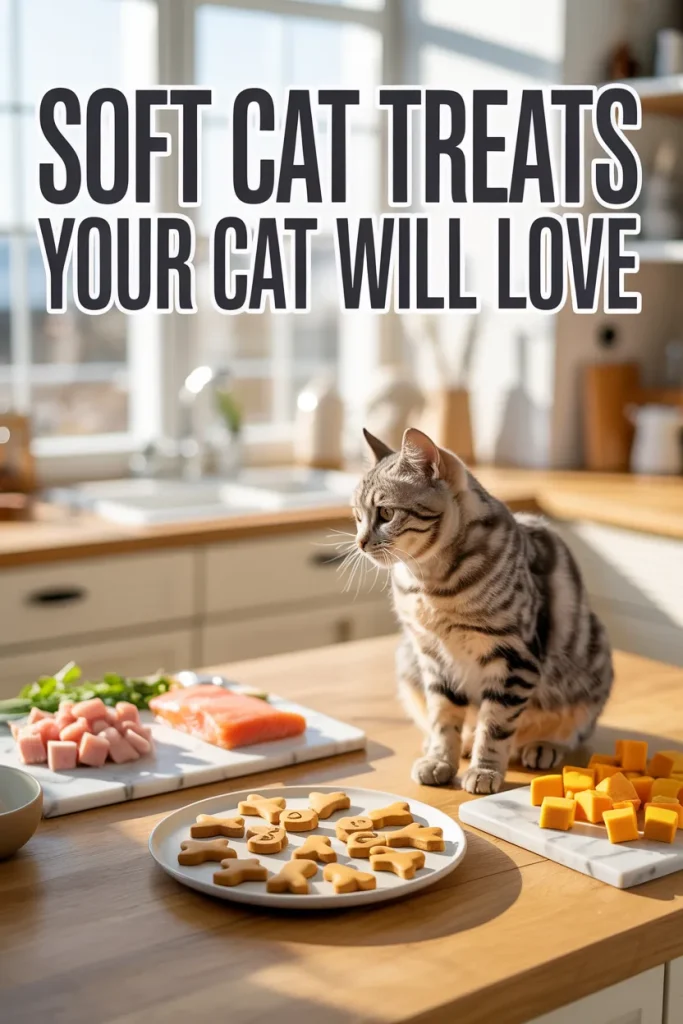
If you’re like me, you want treats that your cat actually gets excited about—not something they sniff and walk away from. I’ve tested different soft treat recipes over time, and the ones below consistently work. They’re simple, protein-rich, and gentle on teeth, which makes them great for kittens, seniors, and picky eaters.
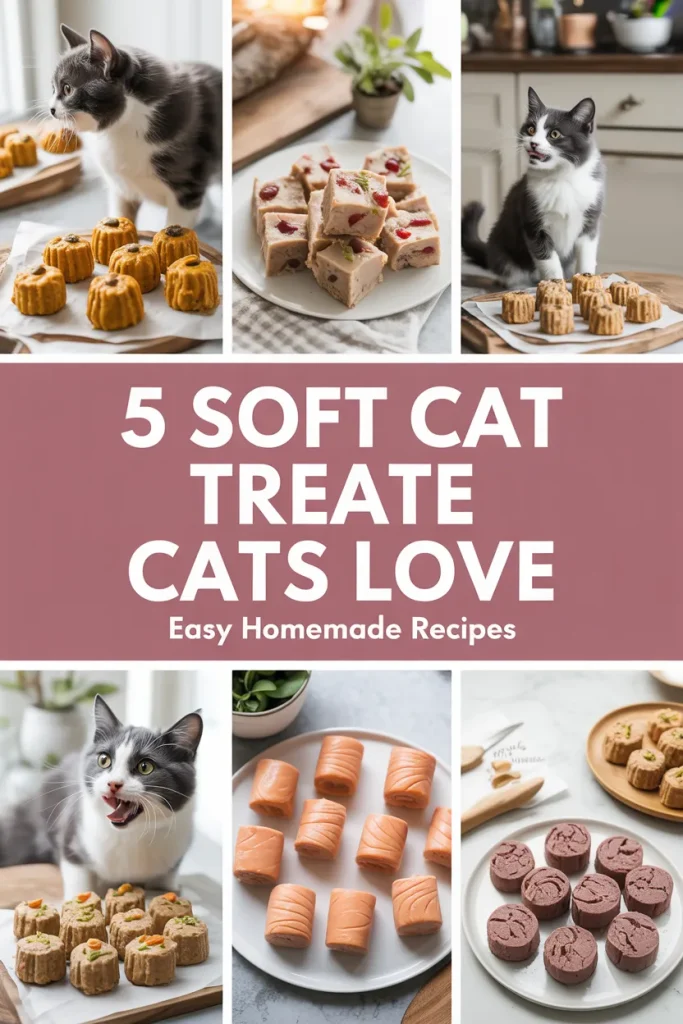
In this guide, I’m sharing 5 soft, meat-based cat treat recipes, along with what I’ve learned about texture, storage, and nutrition. Each recipe focuses on real ingredients, easy prep, and soft consistency that cats prefer.
Key Takeaways
- Soft treats are easier for cats to chew and digest, especially older cats
- High-protein ingredients like chicken, tuna, and liver improve acceptance rate
- Homemade treats can reduce additives found in store-bought options
- Proper storage (fridge/freezer) keeps treats safe and fresh
- Treats should stay under 10% of your cat’s daily calorie intake
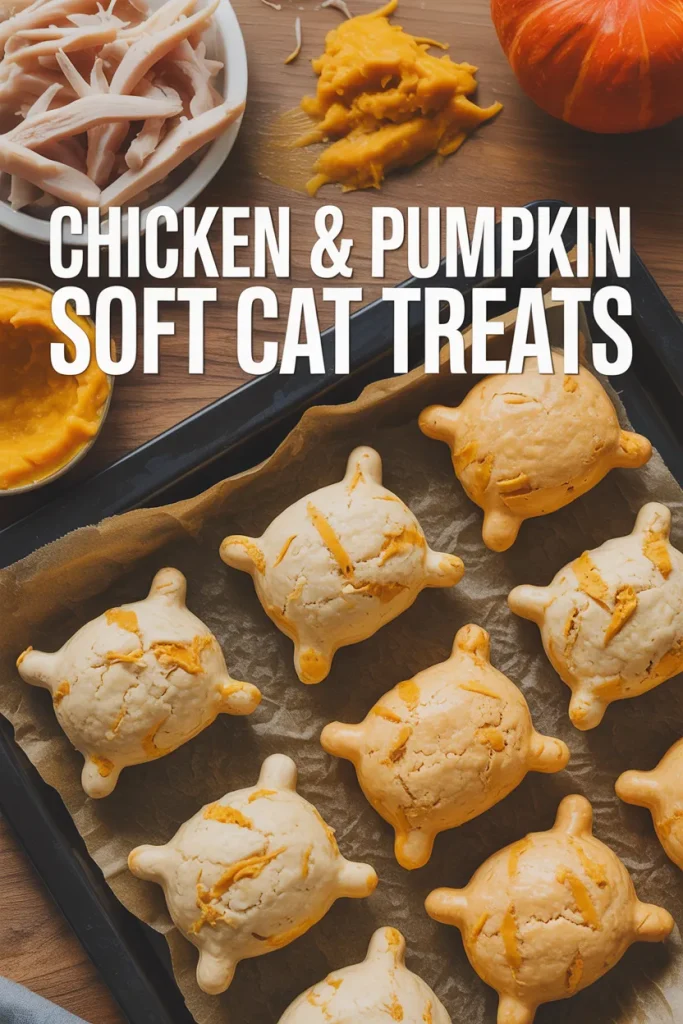
1. Chicken & Pumpkin Pillow Bites That Melt in the Mouth
I like this recipe because it’s gentle on the stomach and works well for cats with sensitive digestion. Pumpkin adds fiber, which can help regulate digestion, while chicken provides lean protein.
Ingredients:
- 1/2 cup cooked chicken breast (finely minced)
- 1/3 cup plain pumpkin
- 1 egg
- 2 tablespoons oat flour
- 1 tablespoon Parmesan (optional)
- 1 teaspoon olive oil
- 1–2 teaspoons water
Instructions:
- I preheat the oven to 325°F (165°C).
- I mix everything until it forms a soft dough.
- I scoop small portions and flatten them slightly.
- I bake for 12–15 minutes until soft but set.
My Insight:
From experience, cats that usually reject new foods accept this quickly because of the mild smell and soft texture.
Pro Tip:
If your cat has digestion issues, pumpkin can help—vets often recommend small amounts for fiber support.
2. Tuna & Cheddar Soft Nibbles That Cats Can’t Resist
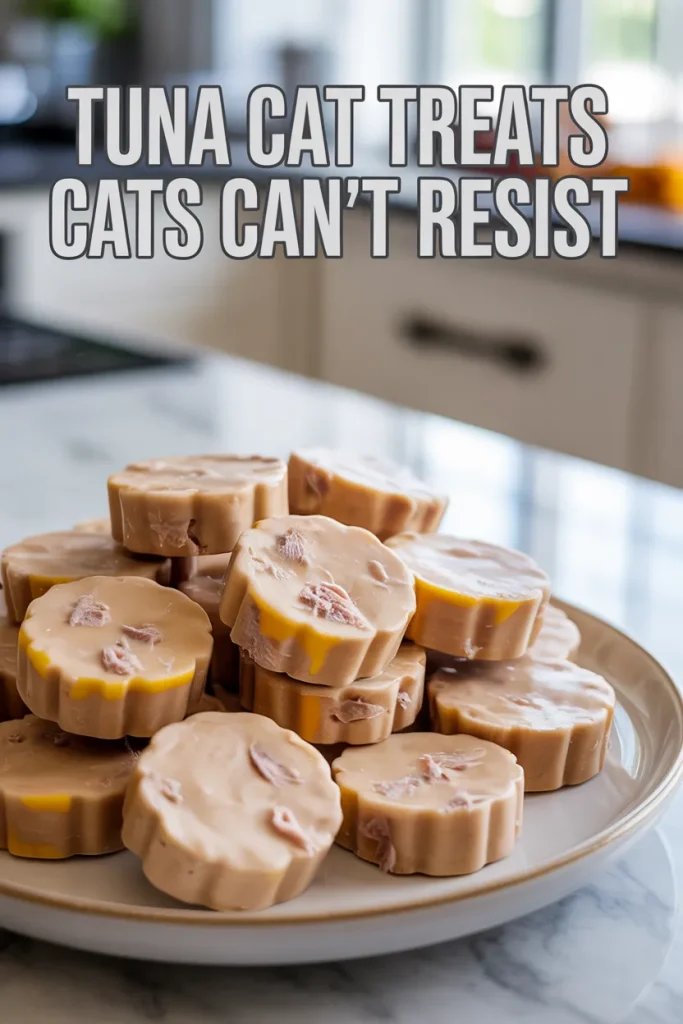
This one is a favorite in my house. The smell alone grabs attention instantly. Tuna has a strong aroma, which increases palatability for cats.
Ingredients:
- 1 can tuna (in water, drained)
- 1/4 cup shredded cheddar
- 1/4 cup Greek yogurt
- 1/4 cup rice flour
- 1 egg white
- Pinch parsley (optional)
Instructions:
- I set the oven to 325°F (165°C).
- I mash all ingredients together well.
- I roll into small balls and flatten slightly.
- I bake for 10–12 minutes without browning.
My Insight:
Cats rely heavily on smell. Tuna-based treats often outperform chicken in quick acceptance tests.
Fact:
Studies show cats have around 200 million odor-sensitive cells, which explains why strong-smelling treats work better.
Pro Tip:
If you want softer treats, add a little water before baking.
3. Turkey & Bone Broth Soft Squares for Sensitive Snackers
I use this recipe when I want something light but still nutritious. Bone broth adds moisture and collagen, which helps with joint support.
Ingredients:
- 1/2 cup cooked ground turkey
- 3 tablespoons bone broth (low sodium, no onion)
- 2 tablespoons mashed peas or beans
- 2 tablespoons chickpea flour
- 1 teaspoon olive oil
- Pinch catnip (optional)
Instructions:
- I preheat oven to 320°F (160°C).
- I mix everything into a soft batter.
- I spread it evenly in a tray.
- I bake for 15–18 minutes and cut into cubes.
My Insight:
This works really well for older cats who struggle with crunchy treats. The texture stays soft even after refrigeration.
Fact:
Bone broth contains collagen and amino acids that support joint health and hydration.
Pro Tip:
Warming treats for a few seconds increases aroma and makes them more appealing.
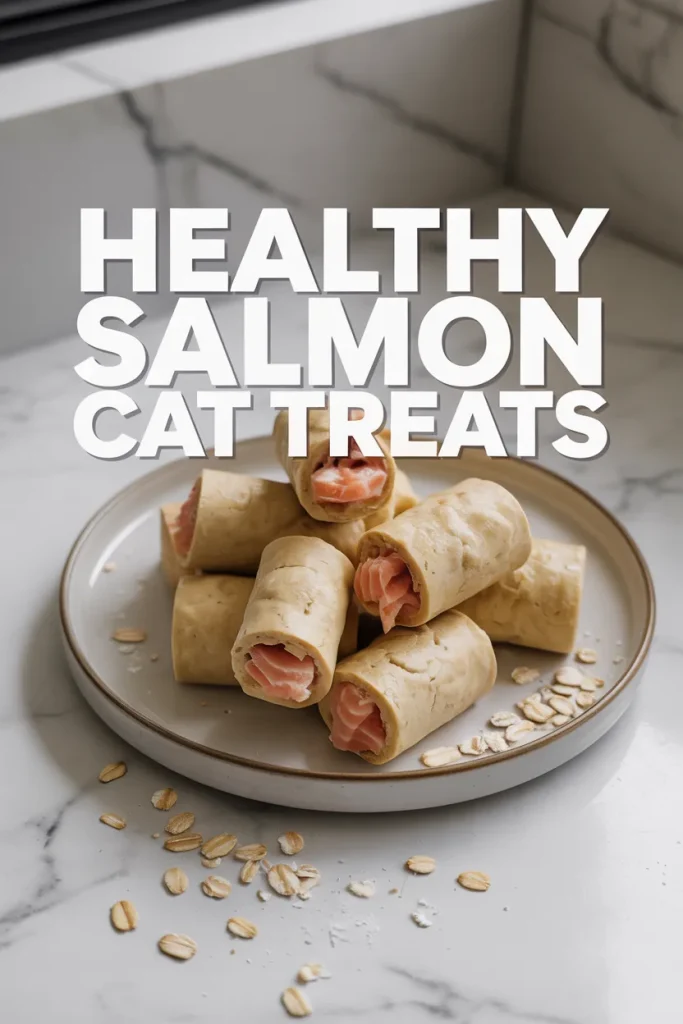
4. Salmon & Oat Soft Rolls With A Hint Of Dill
When I want variety, I go for salmon. It’s rich in omega-3 fatty acids, which support skin and coat health.
Ingredients:
- 1/2 cup cooked salmon
- 1/4 cup applesauce (unsweetened)
- 1/4 cup oat flour
- 1 tablespoon flaxseed
- 1 egg yolk
- Pinch dill
Instructions:
- I preheat oven to 325°F (165°C).
- I mix ingredients into a soft dough.
- I shape into small rolls.
- I bake for 10–13 minutes.
My Insight:
I’ve noticed cats with dry fur improve over time when given omega-3 rich foods like salmon.
Fact:
Omega-3 fatty acids help reduce inflammation and improve coat shine in cats.
Pro Tip:
Brush a little warm water on top after baking to keep them moist longer.
5. Beef & Liver Velvet Bites For The Gourmet Kitty
This is my “high-value reward” recipe. I use it during training because cats respond strongly to liver.
Ingredients:
- 1/4 cup beef liver (finely minced)
- 1/3 cup ground beef
- 2 tablespoons pumpkin puree
- 1 tablespoon tapioca flour
- 1 tablespoon water
- 1 teaspoon olive oil
Instructions:
- I preheat oven to 300°F (150°C).
- I mix everything into a thick paste.
- I pipe small dots onto a tray.
- I bake for 12–14 minutes.
My Insight:
Liver has a very strong smell, which makes it ideal for training rewards. Cats rarely ignore it.
Fact:
Liver is rich in vitamin A and iron, but should be fed in moderation.
Pro Tip:
Use very small portions—too much liver can cause vitamin imbalance.
Quick Tips For Cat-Safe Treat Success
Keep it simple
I always avoid onions, garlic, and artificial ingredients. These can be harmful to cats.
Size matters
Small treats are easier to control. I keep them bite-sized for training and portion control.
Storage
I store treats in the fridge for up to 5 days. For longer use, I freeze them in small batches.
Introduce slowly
Whenever I try a new recipe, I start with a small portion to avoid stomach issues.
Balance
Treats should stay under 10% of daily calories. Most adult cats need around 200–250 calories per day, so moderation matters.
Final Thoughts
From my experience, homemade soft treats are worth it. They’re healthier, customizable, and cats genuinely enjoy them more. I’ve seen even picky eaters respond positively when the texture is soft and the smell is strong.
If you’re just starting, I recommend trying the chicken or tuna recipes first—they tend to work for most cats. Once you see what your cat prefers, you can rotate recipes for variety.

