“What to Do If Your Dog Gets Too Fat: Proven Steps to Help Your Dog Lose Weight Safely”
Written By:

I’ll be honest—when I first realised my dog was getting overweight, I tried to ignore it. A little extra fluff didn’t seem like a big deal. But the truth is, dog obesity is more serious than it looks. Studies show that over 55% of dogs are overweight, and it can reduce their lifespan by up to 2 years.
I’ll be honest—when I first realized my dog was getting overweight, I tried to ignore it. A little extra fluff didn’t seem like a big deal. But the truth is, dog obesity is more serious than it looks. Studies show that over 55% of dogs are overweight, and it can reduce their lifespan by up to 2 years.
In this guide, I’m sharing exactly what I learned and what actually works. I’ll walk you through practical steps, mistakes I made, and simple fixes that helped my dog get back in shape.
Key Takeaways
- I learned that small daily habits cause most weight gain
- Portion control matters more than expensive dog food
- Exercise doesn’t need to be intense—just consistent
- Treats should stay under 10% of daily calories
- Tracking progress weekly makes a huge difference
Step 1: Admit There’s a Problem
The first thing I had to do was accept reality. My dog didn’t gain weight overnight—it was my daily habits that caused it.
I used to give extra treats and bigger portions without thinking. Once I owned that, things started to change. From my experience, this mindset shift is the most important step because nothing improves until you take responsibility.
Step 2: Figure Out Why Your Dog Is Fat
When I looked closely, I realized there wasn’t just one reason—there were multiple small issues adding up.
Overfeeding
I wasn’t measuring food properly. Research shows even 10% extra food daily can lead to weight gain over time.
Too Many Treats
I underestimated treats. A few extra snacks daily can equal hundreds of extra calories weekly.
Lack of Exercise
My dog’s activity level had dropped. Dogs need daily movement just like humans.
Medical Issues
In some cases, weight gain can be linked to conditions like hypothyroidism. I recommend checking with a vet if weight gain feels unusual.
Step 3: Get a Vet Check-Up
Before making changes, I took my dog to the vet. This helped me understand the ideal weight range and daily calorie needs.
From what I learned, vets often calculate calories based on weight and activity level. This gives a clear starting point instead of guessing.
Pro Tip: Always ask your vet for a daily calorie target—it makes planning much easier.
Step 4: Measure Their Food
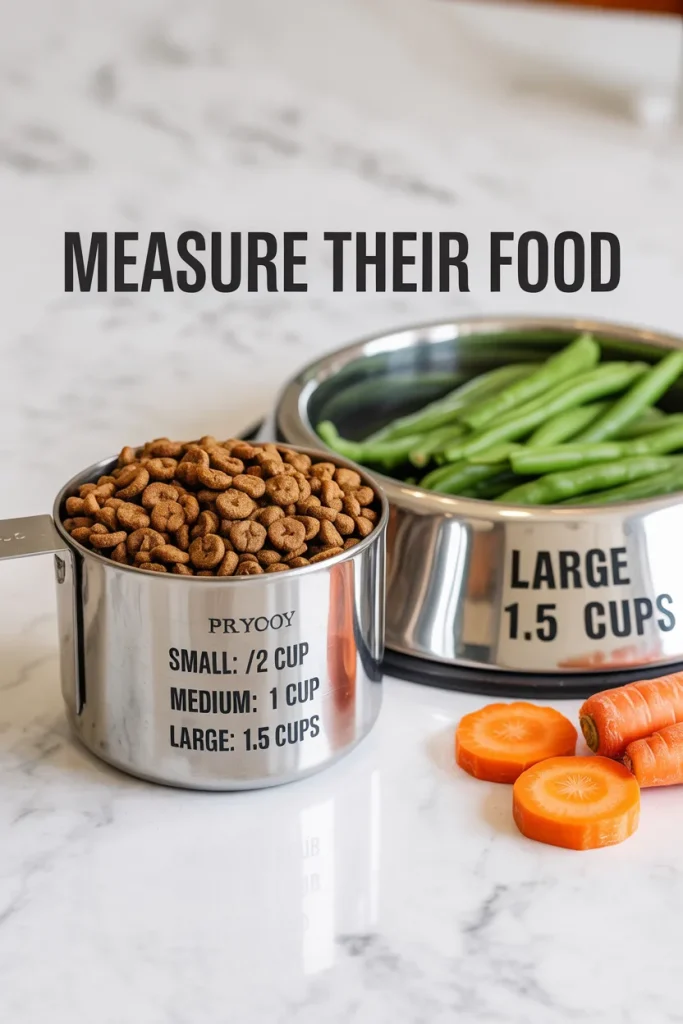
This was a game changer for me. I stopped guessing and started using a measuring cup.
Most dog food bags provide feeding guidelines, but they are often slightly higher than needed. I adjusted portions based on my dog’s progress.
I also added low-calorie foods like:
- Green beans
- Carrots
These helped my dog feel full without increasing calories.
Step 5: Cut Back on Treats
I used to give treats without tracking them. That was a big mistake.
Experts recommend keeping treats under 10% of daily calories, and once I followed this rule, I saw real improvement.
I replaced high-calorie treats with:
- Apple slices
- Blueberries
- Small kibble portions
Pro Tip: I started using part of my dog’s daily meal as treats—this helped avoid extra calories.
Step 6: Get Moving
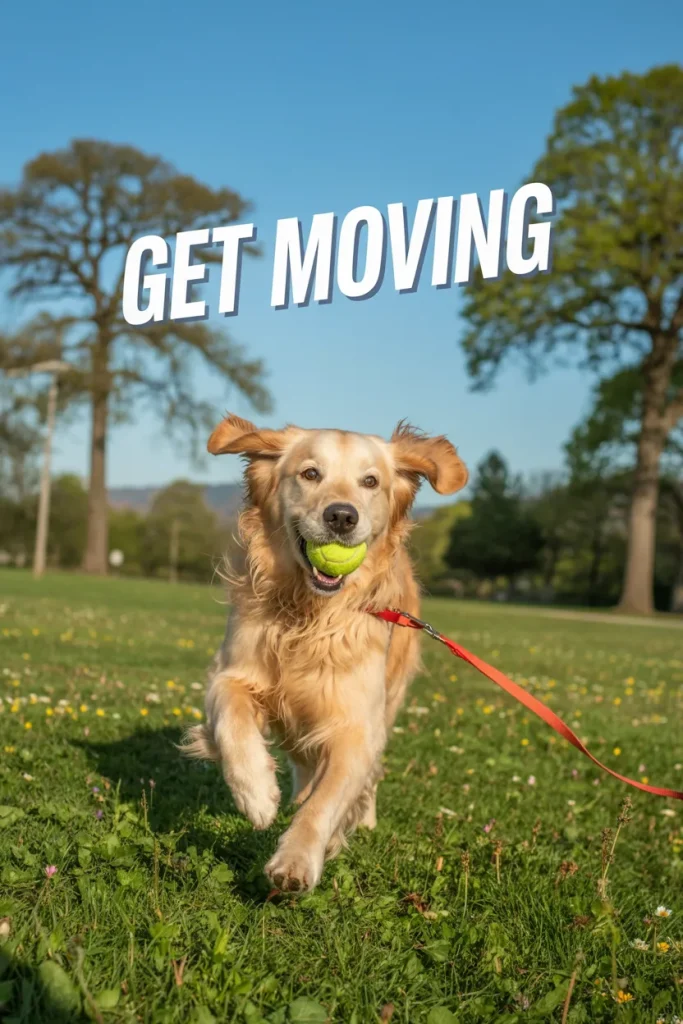
Exercise was something I underestimated at first. I thought short walks were enough—but consistency matters more than intensity.
I started with 10–15 minutes daily and slowly increased it. Within weeks, I noticed better energy and mood.
Some activities that worked for me:
- Daily walks
- Fetch
- Light running
Fact: Dogs that get regular exercise are 30% less likely to become obese.
Step 7: Monitor Progress
Tracking progress helped me stay motivated. I weighed my dog every week and noted small changes.
Healthy weight loss for dogs is about 1–2% of body weight per week, and I found this to be accurate.
When progress slowed, I adjusted:
- Food portions
- Activity level
Even small improvements made a difference over time.
Step 8: Stay Consistent
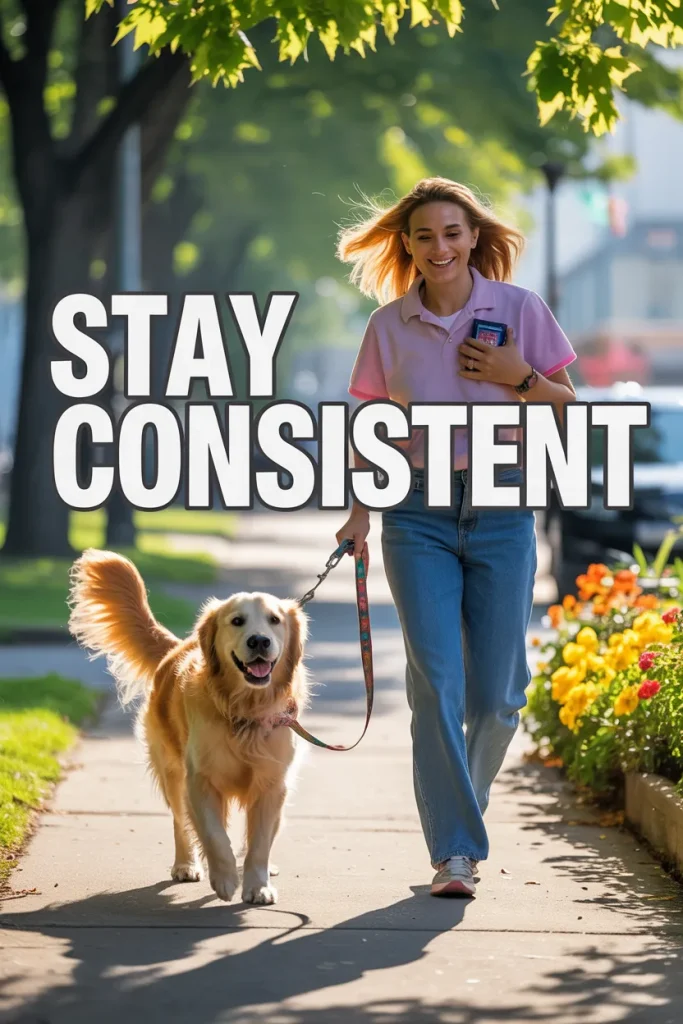
This was the hardest part. It’s easy to start strong but consistency is what actually brings results.
I had to stop:
- Giving table scraps
- Skipping walks
- Overfeeding on “special days”
Once I stayed consistent, the results became noticeable. My dog became more active, and overall health improved.
Conclusion
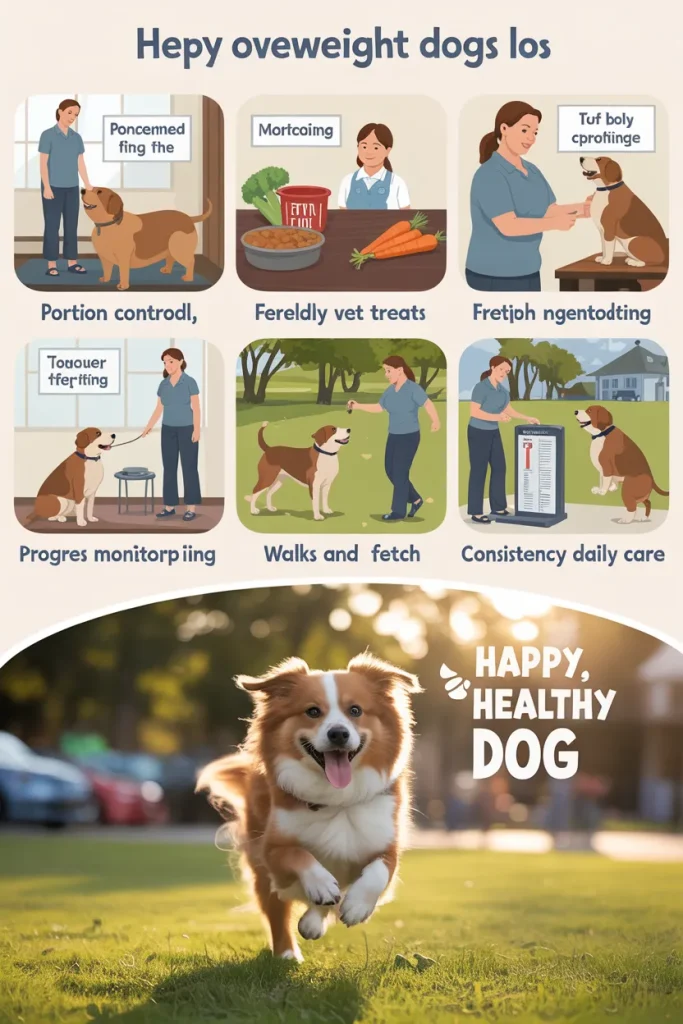
Helping my dog lose weight wasn’t complicated, but it did require effort and consistency. I realized that small daily habits matter more than quick fixes.
If there’s one thing I’ve learned, it’s this: our dogs rely on us for everything—including their health. Once I took control of food, exercise, and routine, the results followed.
Stick to the basics, stay consistent, and you’ll see real change over time.